
Flowers
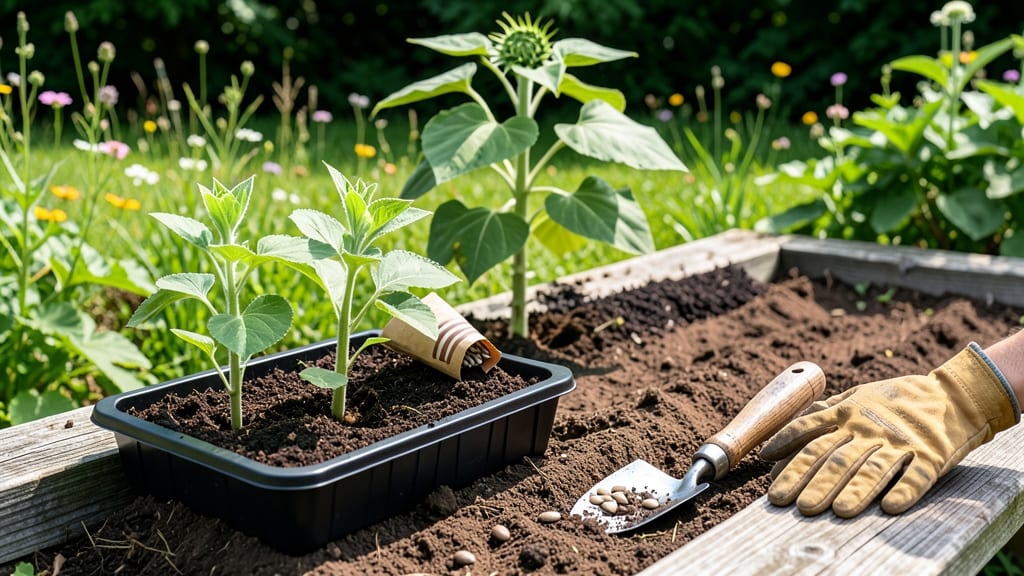
Planting sunflowers in Alabama between mid-March and early May ensures they reach their towering glory before summer’s heat peaks.
You’ve probably heard sunflowers are easy to grow, but timing them right in Alabama’s USDA Zones 7b-8b is the secret to avoiding frost damage and watching those 🌻 blooms explode with color.
North Alabama gardeners should wait until after the average last frost (late March), while southern regions can start as early as mid-February. The key? Soil temperatures above 55°F—any earlier, and your seeds may sit dormant or rot.
Below, I’ll break down the exact planting windows for your zone, plus pro tips for container growing and late-summer replanting to stretch your harvest into fall.
Alabama sunflower planting dates by USDA zone 7A-8B (frost-free timeline)
Alabama’s warm climate makes it perfect for growing sunflowers 🌻, but knowing the exact planting windows ensures your seeds germinate properly and avoid frost damage. Since Alabama spans USDA Zones 7A-8B, planting dates vary slightly between North and South Alabama.
The key is planting after your average last frost date, which typically falls between late February and early April.
For Zone 7A (North Alabama), aim to plant sunflower seeds between mid-April and early May when soil temperatures consistently reach 55°F (13°C). In Zone 8B (South Alabama), you can start as early as mid-March since frost is rare.
If you miss the spring window, late summer (August) is your second chance for a fall harvest.
Sunflowers are fast-growing annuals that need 60-120 days to mature, depending on the variety. Planting too early in cooler soil can delay germination, while waiting too long risks overlapping harvests with Alabama’s unpredictable summer storms. Always check your local Alabama Agricultural Extension for precise frost dates if you’re unsure.
Here’s a quick reference for your Alabama sunflower planting timeline by zone, including soil temperature and germination expectations:
| Zone | Last Frost Date | Ideal Planting Window | Soil Temp for Germination | Germination Time | Harvest Window |
|---|---|---|---|---|---|
| 7A (North AL) | Late Feb - Early April | Mid-April to Early May | 55°F (13°C) or warmer | 7-14 days | Late July - Early October |
| 7B (Central AL) | Early March - Mid-April | Late March to Early May | 55°F (13°C) or warmer | 7-14 days | Late June - Mid-October |
| 8A (South AL) | Mid-March - Early April | Mid-March to Early May | 50°F (10°C) or warmer | 5-10 days | June - Late October |
| 8B (South AL) | Late Feb - Early March | Mid-March to Early June | 50°F (10°C) or warmer | 5-10 days | May - November |
| Late Summer Backup | N/A (No frost risk) | August (for fall blooms) | 60°F (16°C) or warmer | 7-14 days | October - November |
For Zone 7A gardeners, planting in mid-April gives sunflowers enough time to mature before Alabama’s first frost in November. In Zone 8B, you can even extend your planting window into early June for a late-summer harvest, though expect slightly smaller blooms from heat-stressed plants.
Always choose dwarf varieties if you’re planting late to avoid flopping in summer storms.
If you’re growing sunflowers in containers, start seeds indoors 4-6 weeks before your last frost date and transplant seedlings after the soil warms. Containers dry out faster, so monitor moisture closely, especially in Alabama’s humid summers.
Use a well-draining potting mix to prevent root rot, and place pots in full sun (6+ hours daily) for the tallest stems.
Pro tip: Direct-sow seeds after the last frost for the strongest plants. Sunflowers hate transplanting, so avoid starting them indoors unless you’re in a cool microclimate. Once planted, maintain 1-2 inches of water weekly and watch for squirrel theft—they love sunflower seeds too!
Use cage supports for giant varieties to prevent wind damage during Alabama’s summer thunderstorms.
For a continuous bloom, stagger plantings every 2 weeks from April to June. This ensures fresh flowers all summer long and extends your harvest window. Just remember: sunflowers need space—give them 12-24 inches apart depending on the variety, and thin seedlings to avoid competition.
With the right timing, your Alabama garden will be a sunflower paradise by July!
🌻
How to adjust sunflower planting for Alabama’s microclimates (heat, humidity, and rainfall)
Alabama’s diverse microclimates—from urban heat islands to rural humidity pockets—can dramatically impact your sunflower success. Urban areas like Birmingham often hit 95°F+ by June, while rural spots near the coast stay muggy year-round. These conditions demand strategic adjustments to avoid wilting, fungal diseases, or stunted growth.
Container gardening is my go-to for urban spaces with limited soil. Smaller pots dry faster but give you control over drainage—critical when Alabama’s unpredictable summer storms can drown roots overnight. Rural gardeners, meanwhile, must watch for soil compaction from heavy rainfall, which can suffocate young seedlings.
Here’s the key: Timing matters more than ever in Alabama. Plant spring sunflowers (March–April) when soil temps hit 60°F+, but rush late summer varieties (August) to beat the fall humidity surge that fuels powdery mildew. Urban areas may need shade cloth during peak afternoon heat.
⚠️ callout warning
For container growers, choose dwarf varieties like ‘Teddy Bear’ (3–4 ft tall) to avoid toppling in wind. Use well-draining mixes with perlite and water only when the top 1 inch feels dry.
Rural gardeners should mulch heavily (3–4 inches of straw) to lock in moisture during Alabama’s drought-prone summers.
Watch for pest pressure in humid zones—aphids and spider mites thrive when sunflowers are stressed. Spray leaves with neem oil at dusk to protect blooms. In urban areas, potted sunflowers may need weekly rotating to ensure even sunlight exposure, as nearby buildings cast shifting shadows.
Finally, harvest timing shifts with climate: urban sunflowers often mature 2–3 weeks earlier due to heat stress, while rural plants may take longer in cooler, wetter conditions. Always check seed maturity—plump, dark seeds mean it’s time to harvest before storms knock them over.