
Plants
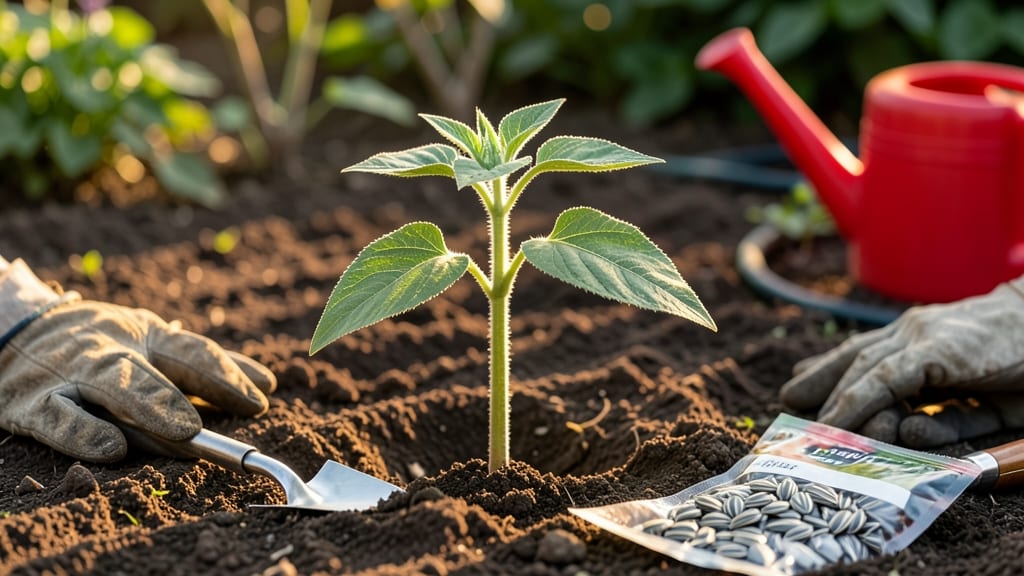
To plant sunflower seeds outside, wait until the soil warms to at least 50°F after your last frost date — that’s the key to strong, frost-free growth.
Sunflowers bring vibrant color and joy to any garden—but timing your planting is everything. Plant too early, and frost will kill your tender seedlings; too late, and you might miss the stunning blooms of summer.
In USDA Zone 6a, that means aiming for mid-April to early June, when the ground thaws and stays reliably warm. If you’re in a cooler zone, start seeds indoors 4-6 weeks before your last frost date to give them a head start.
Below, I’ll break down the best planting windows by zone, soil temperature tips, and how to space seeds for maximum success—so you can enjoy those towering 🌻 faces all season long.
Best planting times for sunflower seeds by US hardiness zones
Sunflowers thrive when planted after the last frost date, but the exact timing depends on your USDA hardiness zone and local climate. In colder zones like Zone 2, you'll want to wait until late spring, while warmer zones like Zone 11 can start planting as early as February.
The key is ensuring soil temperatures reach at least 50°F (10°C)—sunflowers won’t germinate in cold soil.
Regional exceptions matter too. Desert climates (e.g., Zone 9-10) may have earlier planting windows due to dry heat, while coastal areas (e.g., Zone 7-8) might face delayed planting from lingering marine layer fog. Always check your local frost-free date—this is your planting deadline’s starting point.
For early varieties (50-60 days to maturity), aim to plant 2-3 weeks before your last frost. Mid-season varieties (60-90 days) should go in after the frost, and late varieties (90+ days) can handle slightly later plantings. Adjust for your zone to avoid bolting (premature flowering) or stunted growth.
Here’s a quick reference for USDA Zones 2-11, including ideal planting months and frost-free benchmarks:
| Zone | Last Frost Date | Ideal Planting Window | Soil Temp Requirement | Notes |
|---|---|---|---|---|
| 2-3 | Mid-May to early June | Late May to June 15 | 50°F (10°C) minimum | Use row covers for early starts; choose fast-maturing varieties. |
| 4-5 | Late April to May 15 | May 1 to June 10 | 50°F (10°C) minimum | Direct sow after frost; avoid waterlogged soil. |
| 6-7 | Mid-April to early May | April 15 to May 30 | 50°F (10°C) minimum | Best for dwarf and mid-height varieties; watch for late frosts. |
| 8-9 | Mid-March to April 15 | March 20 to May 15 | 55°F (13°C) minimum | Desert zones: plant earlier; coastal zones: wait for fog lift. |
| 10-11 | January to February | February to March | 60°F (16°C) minimum | Tropical climates: plant in fall for winter blooms. |
In Zone 2-5, I recommend starting seeds indoors 4-6 weeks before your last frost date if your growing season is short. Use grow lights or a sunny windowsill to keep seedlings healthy until transplanting.
For Zone 6-7, direct sowing works well after the frost, but add a mulch layer to retain soil warmth.
For Zones 8-11, timing shifts dramatically. In desert climates (e.g., Arizona, Nevada), plant sunflowers in late winter to avoid summer’s extreme heat. Coastal areas (e.g., California, Oregon) may need to wait until April or May due to cooler ocean breezes delaying soil warming.
Pro tip: If you’re in a transition zone (e.g., Zone 7b-8a), monitor soil temps with a soil thermometer. Sunflowers won’t germinate below 50°F (10°C), even if frost risk is low.
For late varieties, you can push planting to early July in most zones, but expect smaller blooms if days shorten before maturity.
Always space seeds 12-24 inches apart (depending on variety) and thin seedlings to avoid competition. Water deeply 1-2 times per week once established, but avoid soggy soil—sunflowers hate root rot. With the right timing, you’ll enjoy bright blooms from summer to fall!
How to choose sunflower varieties based on your last frost date
Choosing the right sunflower variety depends entirely on your last frost date. In colder climates, early-blooming varieties ensure you don’t miss the growing season, while warmer zones can handle giant varieties with longer days-to-maturity. Let’s match your climate to the perfect sunflower for stunning summer blooms.
Sunflowers thrive when planted after the last frost, but their days-to-maturity vary dramatically. A dwarf variety like 'Teddy Bear' (55 days) fits short seasons, while 'Russian Giant' (120 days) needs a long, warm growing period. Calculate your frost-free days to pick the right fit for your garden.
Comparison Table: Sunflower Varieties by Days-to-Maturity
| Variety | Days-to-Maturity | Height | Best For |
|---|---|---|---|
| Teddy Bear | 55-60 days | 3-4 ft | Short seasons, containers, early blooms |
| Moulin Rouge | 60-65 days | 4-5 ft | Early blooms, cut flowers |
| Autumn Beauty | 65-70 days | 5-6 ft | Mid-season blooms, pollinator-friendly |
| Russian Giant | 110-120 days | 10-14 ft | Long seasons, dramatic height |
| Sunspot | 70-80 days | 3-5 ft | Dwarf, late summer blooms |
For USDA Zone 3-5, prioritize early-maturing varieties like 'Teddy Bear' or 'Moulin Rouge' to avoid late frosts. In Zones 6-8, you can experiment with taller varieties like 'Autumn Beauty' or even 'Russian Giant' if planted early enough.
Always check your average last frost date—planting too late risks stunted growth.
Pro tip: Use row covers to extend your growing season for taller varieties in cooler climates. This gives you an extra 2-3 weeks of warmth, making it possible to grow giant sunflowers in unexpected zones. Just remove covers once flowers appear to prevent overheating.
If you’re in a Zone 9-11 area, you’re in luck! You can plant sunflowers year-round in mild winters, but focus on late-season varieties like 'Sunspot' for autumn blooms. Even in warm climates, timing matters—plant too late, and your sunflowers may bolt before reaching full size.
Remember, soil temperature matters just as much as frost dates. Sunflower seeds need soil temps above 50°F to germinate. Use a soil thermometer to confirm readiness—this is especially critical for northern gardens where cool springs delay planting.