
Flowers
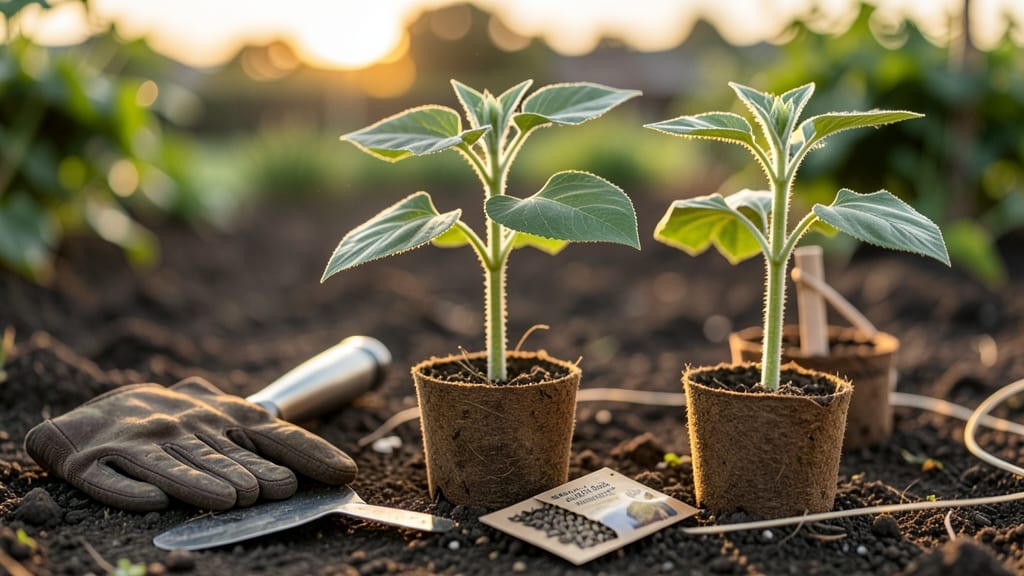
Planting sunflowers in Michigan around mid-April to late June ensures they bloom tall and bright before frost sets in.
Michigan gardeners dreaming of sunflower towers must time their planting perfectly—get it wrong, and you’ll miss the summer blooms entirely. But with Michigan’s unpredictable frost dates, knowing exactly when to plant sunflowers (and how to adjust for your specific zone) is the key to a sun-drenched garden.
Sunflowers thrive in USDA Zones 5b-6b, where last frost dates shift from early April in southern Michigan to mid-May in the north. Direct-sowing seeds after the soil warms to 50°F gives them the best start, while starter plants can go in slightly earlier if protected.
Below, I’ll break down the ideal planting windows by zone, share tricks for late frosts, and recommend the fastest-growing varieties to beat Michigan’s short season.
Michigan sunflower planting dates by hardiness Zone: exact frost timeline for maximum growth
Michigan’s USDA Zones 4-6 create a unique challenge for sunflower lovers—late frosts can delay planting while early heat can rush growth. To maximize your sunflower towers, timing is everything.
Most Michigan gardeners aim for mid-April to late June planting, but your exact last frost date depends on whether you’re in Northern Zone 4 (like Traverse City) or Southern Zone 6 (like Detroit).
Sunflowers thrive when soil temperatures hit 50°F or warmer, which typically aligns with Michigan’s average last frost dates—though Mother Nature loves to surprise us.
In Zone 4, wait until May 1-15 to plant, while Zone 5 gardeners can start as early as April 20. Zone 6 growers enjoy the longest window, often planting by April 10.
For direct-sown seeds, the rule is simple: plant after frost danger passes. But if you’re using starter plants, transplant them 2-3 weeks earlier to give them a head start.
Just remember—sunflowers grow 2-3 inches per day once established, so late planting can still yield towering blooms if given enough time.
| Zone | Last Frost Date | Ideal Planting Window | Soil Temp Threshold | Notes |
|---|---|---|---|---|
| Zone 4 (e.g., Traverse City, Marquette) | May 1-15 | May 1-31 | 50°F+ | Use row covers for early starts; late varieties may bloom in September. |
| Zone 5 (e.g., Grand Rapids, Lansing) | April 20-May 5 | April 20-June 15 | 50°F+ | Best for early varieties like 'Teddy Bear'; succession plant for fall blooms. |
| Zone 6 (e.g., Detroit, Ann Arbor) | April 10-25 | April 10-June 30 | 50°F+ | Longest season; try giant varieties like 'Mammoth' for late summer harvests. |
If you’re growing early-season varieties, like 'Autumn Beauty' or 'ProCut,' plant them as soon as soil is workable—even if frost lingers. These types mature in 60-70 days, so a late start can still yield summer blooms.
For tall varieties (like 'Russian Giant'), wait until late May to avoid stem flopping from rapid growth in cool soil.
Pro tip: Use a soil thermometer to confirm temperatures. Sunflowers won’t germinate below 50°F, and cool soil can lead to damping off. If your soil is still chilly, consider black plastic mulch to warm it faster.
I’ve seen gardeners in Zone 4 plant under mulch as early as late April and still get healthy starts.
For succession planting, sow a second batch in early July to catch late-season blooms. These sunflowers may not reach their full height, but they’ll still provide cheerful color and attract pollinators into fall. Just choose short-day varieties like 'Sunspot' for better cold tolerance.
Remember, Michigan’s first frost typically arrives in mid-October, but late-blooming varieties can survive light frosts. If your sunflowers are still green and growing, they’ll likely tolerate 28°F without damage. For extra protection, wrap row covers around stems or harvest seeds before frost hits.
Finally, don’t forget that sunflowers love space. Give them 12-24 inches apart (depending on variety) to avoid crowding
How to adjust sunflower planting for Michigan’s unpredictable weather: pro tips for frost delays
Michigan’s late spring frosts can throw off even the most careful gardener’s timing. Sunflowers, while hardy, need warm soil and consistent temperatures to thrive—so when frost lingers past mid-April, you’ll need a backup plan.
The key is flexibility: knowing which cold-tolerant varieties to choose and how to protect seedlings until the ground warms.
If you’ve ever planted sunflowers only to watch them wilt under unexpected frost, you’re not alone. Even in Zone 5b-6b, frost can return as late as May 10th in northern Michigan.
The solution? A mix of succession planting, protective covers, and strategic variety selection. Let’s break down how to keep your sunflowers blooming despite Mother Nature’s whims.
Choose cold-hardy varieties
Opt for ‘Autumn Beauty’ or ‘Moulin Rouge’—both tolerate 40°F soil and germinate faster in cool conditions. These varieties also handle shorter growing seasons better than standard types.
Use row covers for early planting
Plant seeds 2-3 weeks before your average last frost date, then cover with frost cloth. Remove covers when true leaves appear (about 7-10 days post-germination) to avoid overheating.
Stagger succession plantings
Plant every 2 weeks from mid-April to June to ensure continuous blooms. This spreads risk if early plantings fail due to frost, and you’ll enjoy flowers from July to October.
Extend the season with fall planting
For late-summer blooms, sow seeds in early July in well-drained soil. Choose short-day varieties like ‘Teddy Bear’ (dwarf) to avoid bolting before frost. These will bloom by September-October.
Warm soil faster with black plastic mulch
Lay down black landscape fabric 2 weeks before planting to raise soil temps by 5-10°F. Cut X-shaped slits for seed placement—this speeds germination and reduces frost damage risk.
Don’t let Michigan’s unpredictable frost steal your sunflower dreams. By combining cold-resistant varieties with protective strategies, you can turn late springs into a longer blooming season. Even if frost hits, your staggered plantings will ensure at least one successful batch of towering, cheerful blooms.
For extra insurance, keep a seedling heat mat handy. Place it under seed trays if starting indoors, or use it to warm the soil for direct sowing in cooler zones. This 2-3°F boost can mean the difference between germination success and wasted seeds. 🌱
Pro tip: Monitor your local Almanac frost dates but don’t rely on them exclusively. Use a soil thermometer to confirm 50°F+ soil temps—this is your true green light for planting.
When in doubt, wait a few more days; sunflowers are fast growers and will catch up quickly once conditions improve. ☀️