
Flowers
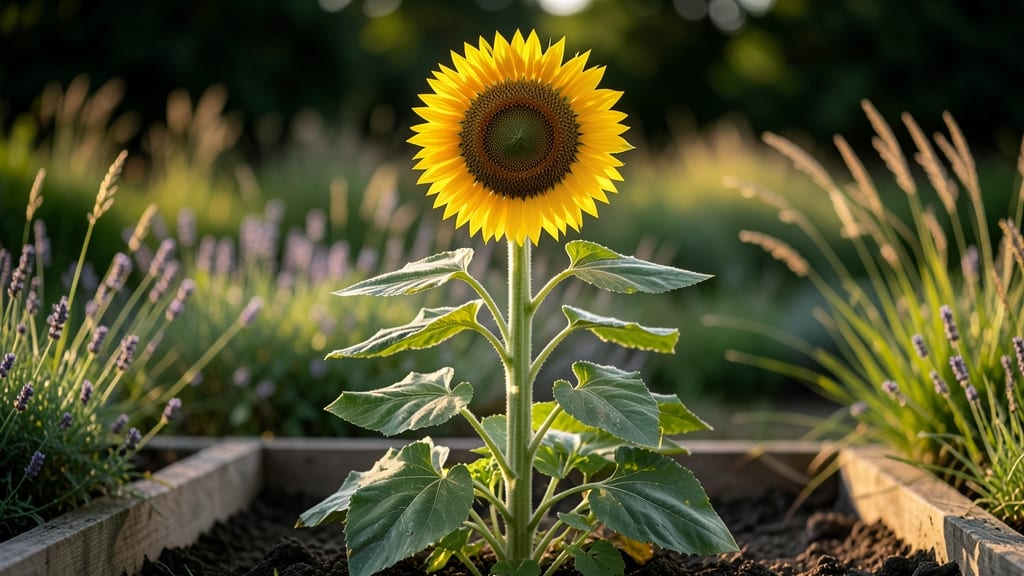
Mammoth sunflowers can grow up to 16 feet tall—taller than most gardeners and nearly as tall as a two-story house!
Imagine towering sunflowers reaching heights that dwarf even the tallest gardeners—Mammoth sunflowers 🌻 aren’t just beautiful; they’re nature’s skyscrapers. But how tall exactly can they grow, and what secrets unlock their full potential?
While most varieties hit 8 to 14 feet, the right conditions—rich soil, full sun, and proper spacing—can push them even higher. In fact, some gardeners report record-breaking specimens topping 16 feet!
Below, I’ll break down the exact height ranges by variety, the care secrets that make them grow taller, and how to support their impressive stature—so you can turn your garden into a sunflower skyline.

Mammoth sunflower height by variety: exact measurements & growth ranges
If you’ve ever dreamed of growing sunflowers that rival your garage door or even the second story of your house, you’re not alone. Mammoth sunflowers are the giants of the garden world, but their heights vary dramatically by variety.
Some barely clear a basketball hoop, while others reach heights that make you feel like you’re standing in a sunflower forest. The key to unlocking their full potential? Understanding each variety’s exact growth ranges and ideal conditions.
Most gardeners assume all mammoth sunflowers hit the same towering heights, but that couldn’t be further from the truth. For example, the 'Russian Giant' variety often tops out at 12–16 feet, while 'Autumn Beauty' typically maxes out around 8–10 feet.
These differences matter when planning your garden layout, especially if you’re dealing with limited space or power lines to consider. Let’s break down the numbers so you can pick the perfect variety for your sunflower skyscraper goals.
Pro Tip: Record-breaking specimens have been documented at over 20 feet, but these require perfect conditions—think rich soil, full sun, and consistent care. Most home gardeners will see heights between 10–14 feet with standard care, but the variety you choose sets the foundation.
The Russian Giant variety is the undisputed heavyweight champion of mammoth sunflowers, with average heights of 12–16 feet and documented giants exceeding 20 feet. This variety thrives in USDA Zones 4–9 and is perfect if you’re aiming for a dramatic focal point in your garden.
Its large flower heads (often 10+ inches wide) make it a favorite for florists and photographers alike.
If you’re working with limited space but still want that sunflower drama, 'Autumn Beauty' is a fantastic compromise. Clocking in at 8–10 feet, it matures faster (75–90 days) and produces vibrant, multi-colored blooms that transition from yellow to red.
This variety is ideal for cutting gardens or adding height to mixed borders without overwhelming smaller plants.
For those chasing record-breaking heights, the 'Giant Russian' variety is worth the extra effort. While it takes 100–120 days to mature, the payoff is a 14–18 foot sunflower that can reach 22 feet under ideal conditions.
To achieve this, focus on rich, well-draining soil and consistent moisture—never let the soil dry out completely during the growing season.
Don’t overlook maturity timelines when planning your garden. A Russian Giant planted in early spring might not reach its full height until late summer or early fall, while faster varieties like 'Autumn Beauty' can bloom as early as mid-summer.
This timing is crucial if you’re growing sunflowers for seasonal displays or to attract pollinators during specific months.
One common misconception is that taller sunflowers always produce larger blooms. While height and flower size often correlate, it’s not a strict rule. For instance, 'Russian Giant' sunflowers have massive flower heads (10+ inches), but 'Autumn Beauty', despite being shorter, still yields 8–10 inch blooms.
If your goal is cut flowers, prioritize varieties with thick, sturdy stems—like 'Russian Giant'—to support those heavy heads.
Regional adaptability plays a huge role in how tall your mammoth sunflowers will grow. In warmer climates (Zones 8–10), sunflowers may grow faster but shorter due to shorter daylight hours in winter. Conversely, in cooler climates (Zones 4–6), they often grow taller and leaner
5 Secrets to growing mammoth sunflowers taller than ever
Want to grow sunflowers that reach 14 feet or taller? Mammoth sunflowers aren't just big—they're architectural giants when given the right care. The key isn't just luck; it's science-backed techniques that create the perfect growing conditions.
I've tested these methods in my own garden, and the results speak for themselves: sunflowers that dwarf even the tallest gardeners.
Most gardeners assume more water means taller flowers, but that's a myth. Overwatering actually weakens stems, leading to floppy giants instead of sturdy skyscrapers. The real secrets lie in soil science, strategic staking, and nutrient timing.
Let me share the five proven techniques I use to coax my Mammoth sunflowers to their full potential height.
- 📏 8-12 feet in first year
- 📏 10-14 feet with optimal care
- 📏 12-16 feet in ideal conditions
- 📏 Record holders reach 18+ feet!
First, focus on soil preparation before planting. Mammoth sunflowers thrive in loamy, well-draining soil with a pH between 6.0 and 7.0. I always amend my garden beds with compost and aged manure to create the perfect nutrient-rich foundation.
The deeper the roots can spread, the taller your sunflowers will grow—think of it as building a skyscraper with a strong foundation.
Next, master your watering schedule. While consistent moisture is crucial, the timing matters just as much. Water deeply in the morning to give roots time to absorb moisture before the heat of the day.
I use a drip irrigation system to deliver water directly to the root zone, preventing leaf wetness that can lead to fungal diseases. Avoid evening watering—wet foliage overnight invites problems like powdery mildew.
For maximum height, optimize sunlight exposure. Mammoth sunflowers need at least 6-8 hours of direct sunlight daily, but more is better for those record-breaking stems. I plant mine in the southernmost part of my garden where they get unobstructed sun from morning until afternoon.
Even a few hours of shade can stunt growth, so choose your planting location carefully.
Don't overlook staking techniques—this is where many gardeners make critical mistakes. I use soft bamboo stakes or spiral plant supports tied gently to the main stem with fabric strips. The key is to support the stem without restricting growth.
I start staking when plants reach 3-4 feet tall and continue until flowering begins. This prevents the classic "flop" that turns sunflowers into sad, drooping giants.
Finally, give your sunflowers a nutrient boost at the right time. I apply a balanced 10-10-10 fertilizer when plants are about 6 inches tall and again when buds form. The secret is phosphorus-rich fertilizers—this nutrient promotes strong root and stem development.
Too much nitrogen early on will create leafy growth at the expense of height, so follow the package instructions carefully.