
Flowers
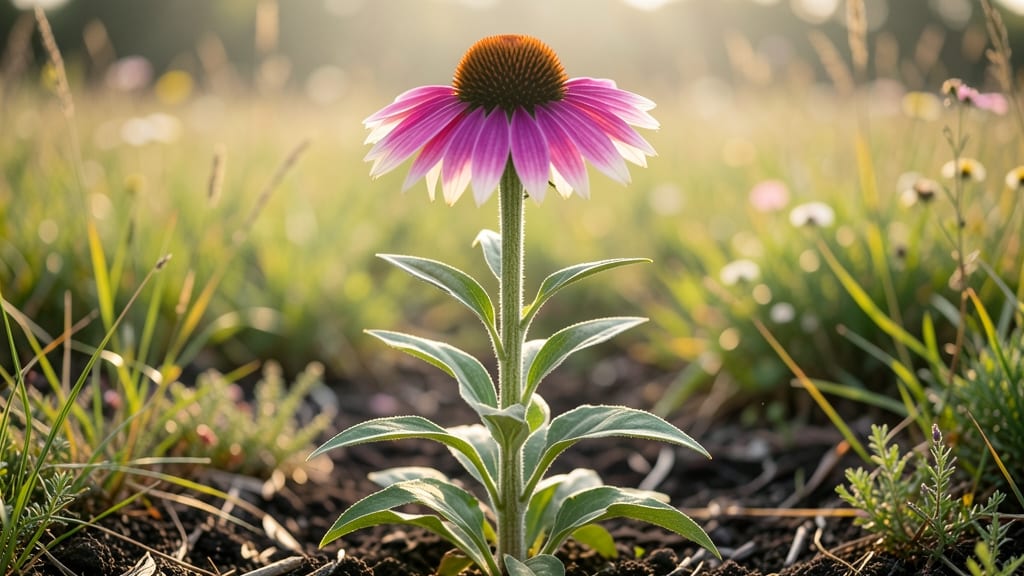
Coneflowers grow between 1 and 5 feet tall, depending on the variety, making them a flexible star in any garden design.
Picture this: a dwarf 'White Swan' at just 18 inches adds delicate color to a front-border edge, while a towering 'Magnus' at 5 feet becomes the dramatic backbone of a pollinator meadow.
That height range is why they’re so popular—but choosing the right size for your space makes all the difference.
Below, I break down the height ranges of the most common varieties, how to use them in layouts (from cottage gardens to modern borders), and a few tricks to control their growth if they get too leggy.
You’ll leave here knowing exactly which coneflowers fit your vision—and which to avoid if you’re short on space.
Ready to plan? Start by matching your garden’s scale to the right 🌼—whether that’s a 2-foot accent or a 4-foot statement piece.

Coneflower height ranges by popular variety: from dwarf to giant
If you're planning your garden layout, knowing how tall coneflowers will grow is key to creating balance and visual impact. These perennial powerhouses come in stunning varieties with heights ranging from 12 inches to over 5 feet.
Whether you're designing a pollinator-friendly border or a cut flower garden, choosing the right Echinacea variety ensures your space looks intentional and thrives year after year.
Tall coneflowers like 'Magnus' can reach 5 to 6 feet, making them perfect for the back of borders or as striking focal points. Meanwhile, dwarf varieties like 'White Swan' stay compact at just 18 to 24 inches, ideal for container gardens or front-of-bed planting.
Understanding these height differences helps you avoid overcrowding and ensures each plant gets the sunlight and airflow it needs to flourish.
Below is a breakdown of 10 popular coneflower varieties, their mature heights, and spacing recommendations to help you visualize how they’ll fit into your garden design.
Pro tip: Spacing matters—taller varieties need room to avoid shading shorter neighbors, while dwarf types can be planted closer together for a lush, dense look.
When selecting coneflower varieties, consider your garden’s sunlight exposure and soil drainage. Most coneflowers thrive in full sun (6+ hours daily) and well-draining soil, but taller varieties like 'Magnus' may need extra support in windy areas.
If you’re unsure about spacing, err on the side of giving plants more room—they’ll thank you with longer stems and healthier blooms.
For small gardens, dwarf varieties like 'White Swan' or 'Sombrero Salsa' are game-changers. They add color and texture without overwhelming the space, and their compact growth makes them perfect for container gardening. Pair them with low-growing perennials like lavender or catmint for a cohesive look.
In larger landscapes, tall coneflowers like 'Green Envy' or 'Cheyenne Spirit' create vertical interest
How to control coneflower height naturally: pruning and staking tips
If your coneflowers are reaching heights you didn't plan for—especially varieties like 'Green Envy' that can top 5 feet—don't worry! Natural height control is simple with the right techniques. Pruning and staking not only manage size but also encourage longer blooming cycles and stronger stems.
The key is timing and method, whether you're working with dwarf varieties or towering giants.
Tall coneflowers often need support to prevent flopping under their own weight or wind. Staking is especially crucial for cut flower arrangements, where straight stems are essential.
For deadheading, focus on spent blooms to redirect energy into new growth rather than seed production, which can extend your plant's height and flowering season.
⚠️ WARNING: Over-Pruning Can Stunt Growth Pruning too aggressively—especially in early spring—can reduce flowering and weaken stems. Never cut back more than 1/3 of the plant's height at once. For tall varieties, prioritize removing leggy stems or those growing outside your desired shape.
Always use clean, sharp pruners to avoid disease spread. If pruning late in the season, avoid cutting into woody stems, as coneflowers store energy there for next year's growth.
For staking, use bamboo stakes or soft garden ties to support stems without damaging them. Insert stakes early in the season (around April) before rapid growth begins.
Tie stems loosely to allow natural movement—this prevents stem breakage while still providing support. Avoid metal stakes, which can heat up in the sun and burn stems.
Deadheading is one of the easiest ways to control height and encourage continuous blooms. Simply pinch or snip off spent flower heads just above a set of leaves. This redirects the plant's energy toward producing new blooms instead of seeds.
For tall varieties, deadhead regularly throughout the summer months to maintain a compact shape and prevent leggy growth.
If your coneflowers are already too tall for your garden design, a light late-summer prune (after July) can help reduce height without harming next year's blooms. Cut back 1/3 of the plant's height and remove any weak or damaged stems.
This method works best for perennial varieties and won't sacrifice next season's growth.
Remember, coneflower height is influenced by genetics, sunlight, and soil quality. If your plants are consistently taller than expected, check for over-fertilization with nitrogen, which promotes foliage over flowers. A balanced 10-10-10 fertilizer applied in spring and early summer is ideal.
Mulch around the base to retain moisture and regulate soil temperature, which also supports healthy, controlled growth. 🌼