
Plants
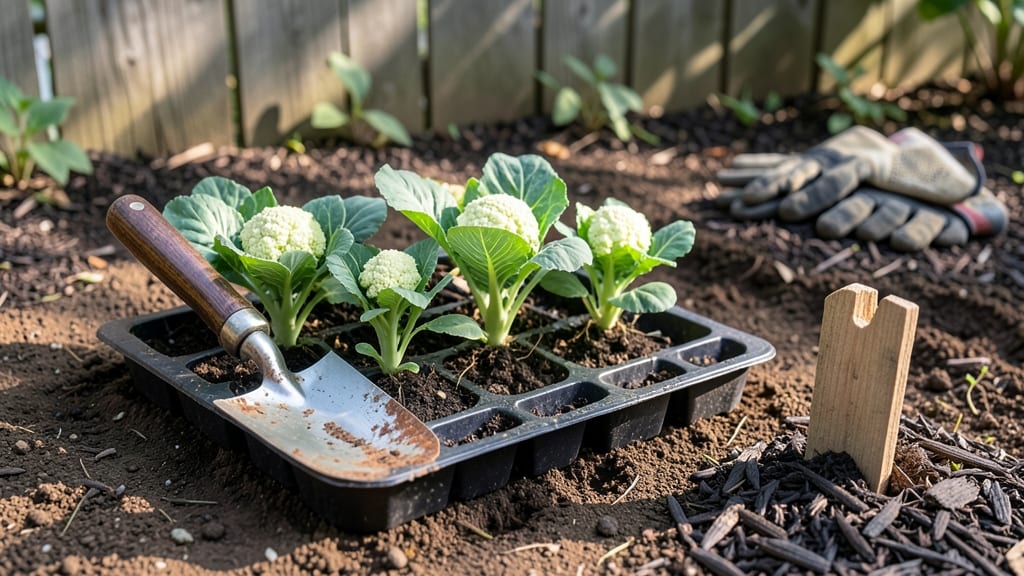
Planting cauliflower in Zone 7 at the right time means the difference between a bountiful harvest and a bitter disappointment.
Cauliflower thrives in cool weather, but planting too early or late in Zone 7 can mean bolting, pests, or poor yields—here’s the exact window to maximize your harvest before summer heat strikes.
For fast, frost-free harvests, aim for early spring (March to April) or late summer (August to early September). This timing lets your 🥬 mature before the heat sets in, giving you two chances to enjoy homegrown heads.
Below, I’ll break down the best months, how to protect seedlings from late frosts, and the simple tricks to keep your cauliflower thriving until harvest time.
Best planting months for cauliflower in Zone 7 (with frost protection tips)
Cauliflower loves cool weather but struggles when temperatures climb above 75°F. In Zone 7, timing is everything—plant too early and frost will damage seedlings, too late and summer heat will cause bolting. My best advice? Stick to two planting windows: early spring and late summer.
For spring plantings, aim for March to early April—about 4-6 weeks before your last frost date. This gives heads time to form before summer arrives. Coastal areas may push planting to late February thanks to milder microclimates, while inland zones should wait until mid-March.
For fall harvests, sow seeds in late August to early September, allowing 75-100 days to maturity before the first frost. This second window avoids summer heat stress while still delivering a cool-season crop.
Here’s a quick reference for your planting schedule, including frost protection tips tailored to Zone 7’s climate variations:
To protect seedlings from late spring frosts (common in Zone 7 until mid-April), use floating row covers or mini tunnels. These raise soil temperatures by 5–8°F and shield plants from 28°F drops. For fall plantings, cold frames extend harvests until November.
If you’re growing Purple of Sicily or Romanesco varieties, start seeds indoors 6–8 weeks before transplanting. These varieties tolerate slightly warmer soil but still need consistent moisture to prevent cracking heads. I’ve had success using soaker hoses on a timer for even watering.
For succession planting, sow a second batch of seeds every 2–3 weeks in spring to stagger harvests. This ensures you’re not overwhelmed with mature heads all at once. Just remember: never let soil temperatures exceed 80°F—cauliflower will bolt faster than you can say "pest pressure."
One pro tip: Mulch heavily with straw or shredded leaves to keep roots cool. I’ve seen 30% larger heads in mulched beds versus bare soil. Pair this with shade cloth (30–50%) during peak summer to buy extra time for fall plantings.
Finally, monitor your local microclimate. A south-facing slope warms up faster than a north-facing garden, so adjust planting dates accordingly. Use a garden thermometer to track soil temps—aim for 40–85°F for optimal growth.
With these timing strategies, you’ll avoid the #1 mistake Zone 7 gardeners make: planting cauliflower when it’s already too hot. Happy growing—your first frost-free harvest is just around the corner! 🥬
How to time your cauliflower harvest in Zone 7 for maximum yield
Timing your cauliflower harvest in Zone 7 requires precision—plant too early, and you risk bolt-inducing heat; too late, and your crop may not mature before frost. The key is understanding your variety’s days to maturity and scheduling plantings to align with cool-season windows.
For example, 'Snowball' (75 days) needs a different approach than 'Purple of Sicily' (100 days), which handles heat slightly better but still prefers cooler temps.
Start by calculating your harvest window based on your last frost date (typically March 15 in Zone 7). For spring plantings, count backward from your target harvest month (May-June) using each variety’s days to maturity.
Fall plantings should follow the same logic, aiming for harvests in October-November before temperatures drop. Succession planting—sowing new seeds every 2-3 weeks—ensures a staggered harvest and minimizes gaps in your kitchen garden.
📅 Numbered Highlights: Zone 7 Cauliflower Harvest Timeline
- Step 1: Choose early-maturing varieties (60-75 days) for spring harvests to avoid summer heat. 'Snowball' or 'Early White' are ideal.
- Step 2: Plant spring cauliflower 4-6 weeks before last frost (early March). Use row covers if nights are still chilly.
- Step 3: For fall harvests, sow seeds 10-12 weeks before first frost (late August). 'Purple of Sicily' tolerates slightly warmer soil better.
- Step 4: Monitor soil temps—cauliflower thrives in 60-70°F. If temps rise above 80°F, use shade cloth or mulch to cool roots.
- Step 5: Harvest when heads are 6-8 inches wide and tightly packed. Use a sharp knife to cut stems cleanly, leaving outer leaves intact.
To avoid bolting—when cauliflower flowers prematurely due to heat stress—opt for shade-tolerant varieties like 'Graffiti' (purple) or 'Violet Queen'. These varieties handle Zone 7’s late-spring warmth better than traditional white types.
Additionally, mulch with straw or grass clippings to insulate roots and maintain even moisture, which is critical during head formation. Water deeply in the morning to reduce fungal risks like downy mildew, a common issue in humid Zone 7 summers.
Succession planting is your secret weapon for continuous harvests. After your first spring planting yields in May-June, sow a second batch in late June for a fall harvest. Use lightweight row covers to protect young seedlings from cabbage moths and fleabeetles, which are aggressive in Zone 7.
For container growers, choose compact varieties like 'Mini Purple' (50 days) and plant in 5-gallon pots with well-draining soil to prevent root rot.
Pro tip: Mark your calendar for July 15—this is your last chance to start a fall crop in most of Zone 7. After this date, days shorten and temps rise, making it nearly impossible to get a mature head before frost.
If you miss this window, wait until next spring and focus on cold-hardy varieties like 'Snowball Y Improved', which handles light frosts better than others.
Finally, don’t overlook post-harvest care. After cutting your cauliflower head, leave the outer leaves intact—they’ll regrow into a second, smaller head (called a rat tail) in 4-6 weeks.
This trick extends your harvest by 30-50% with minimal effort. Store harvested heads in the crisper drawer for up to a week, or blanch and freeze for long-term storage.