
Companion Plants
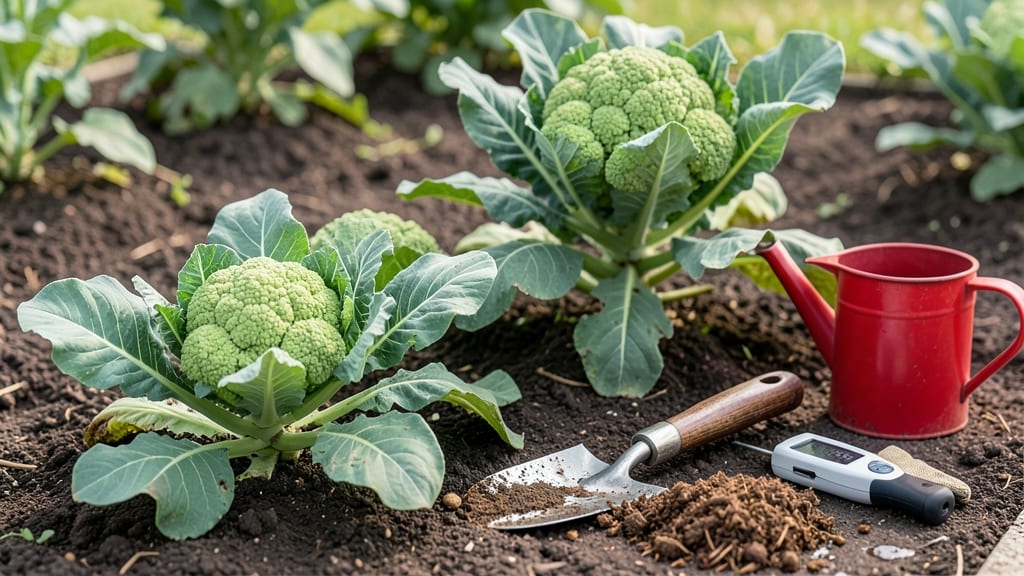
Planting cauliflower in Missouri at the right time means the difference between a bountiful harvest and a wasted effort—especially when the weather can shift from frost to 90°F in a week.
Missouri’s unpredictable climate can make or break your cauliflower harvest—planting at the wrong time means stunted heads or bolting before maturity. Timing is everything, and these frost-date guidelines will help you maximize yields in Missouri’s diverse growing zones.
For most of the state (USDA zones 5b-7a), the ideal window is March through early May for spring plantings, followed by a late-summer push in August to beat the first frost.
But highland areas like the Ozarks may need adjustments—cool nights and slower soil warming mean you might delay by a week or two.
Below, I break down the exact frost dates by region, the best varieties for Missouri’s climate, and how to prep your soil for peak growth—so you can avoid the common mistakes that leave gardeners scratching their heads in October.
Best planting times for cauliflower in Missouri by USDA Zone
Missouri’s USDA Zones 5b-7a create unique challenges for growing cauliflower. This cool-season crop thrives when temperatures stay between 60°F-75°F, but Missouri’s unpredictable spring warmth and early fall frosts demand precise timing.
Plant too early, and seedlings bolt; too late, and heads won’t mature before frost. My zone-specific frost-date guide ensures you align your planting with Missouri’s climate patterns for maximum harvest success.
Cauliflower grows best in two planting windows: early spring and late summer. Spring plantings should start 4-6 weeks before your last frost date, while fall plantings must occur 8-10 weeks before the first frost.
Missouri’s diverse microclimates mean these dates vary from northern (Zone 5a) to southern (Zone 7a) regions. Below, I’ve broken down the optimal transplanting and direct-sowing dates for each zone, including soil temperature thresholds critical for germination.
Key temperature thresholds:
- Direct sowing: Soil must be at least 40°F (use a soil thermometer to confirm).
- Transplanting seedlings: Air temperatures should stabilize above 50°F during the day.
- Avoid transplanting when nighttime temps drop below 45°F, as this stresses young plants.
For Zone 5a gardeners in northern Missouri, focus on late March to early April for spring plantings. Use row covers if nighttime temps dip below 45°F to protect young seedlings.
In Zone 7a, you can start as early as mid-February, but avoid planting before February 15 to prevent bolting from unpredictable warm spells. My rule of thumb: Wait until soil temperatures consistently stay above 40°F for direct sowing.
Fall plantings require even more precision. In Zone 5a, aim for August 1-15 to ensure heads mature before the October 10 frost date.
Southern Missouri gardeners in Zone 7a have until mid-September, but plant no later than September 15—cauliflower needs 75-100 days to reach harvest, and late plantings won’t mature before frost. Pro tip: Use quick-maturing varieties like ‘Snowball Y Improved’ (70 days) for fall plantings to minimize frost risks.
Missouri’s river valleys and urban heat islands can create microclimates that extend growing seasons by 1-2 weeks. If you’re in a warmer microclimate, push your spring planting 10 days earlier and your fall planting 10 days later.
For example, St. Louis (Zone 6b) might safely plant fall cauliflower until September 15, while northern Missouri (Zone 5a) should stop by September 1. Always monitor weekly frost forecasts from the National Weather Service to adjust your timeline.
Direct sowing vs. transplanting also affects timing. Direct-sown seeds germinate slower in cool soil, so I recommend transplanting seedlings for spring plantings. Start seeds indoors 6-8 weeks before your target transplant date.
For fall, direct sowing is often easier—just plant seeds 1/2 inch deep and keep soil moist until germination. Avoid transplanting stressed seedlings in late summer, as they’re more prone to bolting from heat stress.
Missouri’s unreliable spring weather
How to adjust planting dates for Missouri’s microclimates
Missouri’s landscape isn’t one-size-fits-all—river valleys like the Mississippi can be 10°F warmer than nearby highlands, while urban heat islands in St. Louis may push soil temperatures up by 5-7°F. These microclimates let you extend your cauliflower season by weeks if you adjust timing strategically.
For example, spring planting in Ozark highlands should start 2-3 weeks later than in the Bootheel region.
Start by checking your local frost dates—not just the USDA zone average. Use real-time soil thermometers (aim for 40-50°F for transplanting) and adjust your schedule based on whether your garden sits in a cool valley or sun-baked urban plot.
A shade cloth over seedlings in hot microclimates can prevent bolting and buy you extra time for head formation.
⚠️ WARNING: Late Spring Heat Risk ⚠️ Cauliflower hates heat—temperatures above 80°F for more than a week will cause it to bolt prematurely. If you’re in a lowland area (like the Missouri River bottoms), plant fall crops in early August instead of late July.
For highland gardens (e.g., near Branson), you can push spring planting to mid-April without risking frost. Always monitor 7-day forecasts and delay planting if a heatwave is predicted.
Urban gardeners face unique challenges: concrete and pavement can create micro heat zones, while north-facing rooftops may stay cooler.
Test your space by placing a thermometer at soil level for 3 days—if it’s consistently 10°F+ warmer than your neighbor’s yard, opt for heat-tolerant varieties like ‘Purple of Sicily’ and plant in partial shade. Mulch with straw or wood chips to regulate soil temps and retain moisture.
River valleys and floodplains offer longer growing seasons but require drainage adjustments. If your garden sits in a former wetlands area, amend soil with sand or compost to prevent waterlogging. Fall planting here can stretch into mid-September—just ensure your chosen variety matures in 70-80 days.
For highland areas, succession plant every 2 weeks from March to May to stagger harvests and avoid gaps.
Don’t forget wind exposure—open fields (common in rural Missouri) can dry out seedlings faster. Use low tunnels or windbreaks (like cornstalks or burlap) to protect young plants. In urban microclimates, containers on patios can be moved to shadier spots during heatwaves.
Label your plants with adjustment notes (e.g., “Shade cloth added 5/15”) to refine next year’s strategy.
Pro tip: Harvest your earliest cauliflower heads and replant the space with a fast-maturing variety (like ‘Snowball Y Improved’) to squeeze in a second crop. This works especially well in warmer microclimates where the season feels 2-3 weeks longer.
Keep a gardening journal to track which microclimate tweaks worked best—your future self (and your dinner table) will thank you.