
Flowers
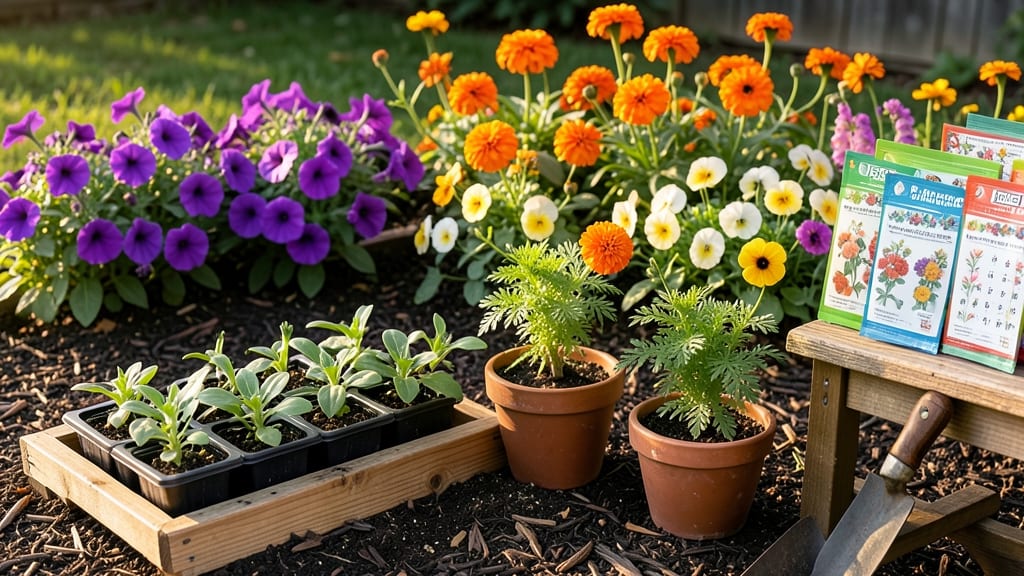
Planting flowers in Boise, Idaho at the right time means the difference between a garden bursting with color and one that fades before summer.
Boise’s high desert climate throws off many gardeners, especially when spring’s unpredictable frost dates creep into May. One wrong move, and you’re stuck with wilting petals or flowers that never take root. But with the right timing, you can beat the heat and cold to grow a showstopping display.
This guide breaks down the exact frost-date windows for spring and fall planting, the best flower varieties for Zone 6b, and how to prep your soil so your blooms thrive from May through October.
Whether you’re sowing seeds or transplanting starts, we’ll cover everything you need to know to make your garden the envy of the neighborhood.
From hardy perennials to heat-loving annuals, you’ll learn which flowers to plant when, how to adjust for Boise’s dry summers, and the simple care routine that keeps them blooming all season long.
Boise Idaho frost dates and best flower planting months by type
Boise’s Zone 6b climate creates a unique challenge for gardeners—unpredictable spring frosts and hot summer extremes. Knowing your last frost date (April 15-May 15) and first frost date (October 15-November 1) is crucial for timing flower plantings.
The 150-day frost-free window gives us just enough time to grow vibrant annuals, hardy perennials, and even heat-tolerant varieties that thrive in Boise’s high desert conditions.
Timing matters most for cool-season flowers like pansies and snapdragons, which can handle light frosts, versus heat-loving annuals like zinnias and marigolds that need to wait until soil warms.
I’ve planted tulip bulbs in October for spring blooms and cosmos seeds in May—both strategies that work beautifully in our climate. Let’s break down the exact windows for each flower type to maximize your garden’s potential.
| Flower Type | Best Planting Month | Key Notes | Heat Tolerance |
|---|---|---|---|
| Annuals (e.g., Zinnias, Marigolds) | May 15 - June 15 | Wait until soil reaches 60°F; mulch for moisture | High |
| Perennials (e.g., Coneflowers, Lavender) | April 1 - May 15 | Divide clumps every 3 years; drought-tolerant | Moderate |
| Bulbs (e.g., Tulips, Daffodils) | September 15 - October 15 | Plant 6-8 inches deep; blooms in spring | Low |
| Cool-Season Flowers (e.g., Pansies, Snapdragons) | March 15 - April 30 | Tolerates light frost; deadhead for continuous blooms | Low |
| Heat-Tolerant Annuals (e.g., Black-Eyed Susans, Russian Sage) | June 1 - July 15 | Thrives in Boise’s summer heat; minimal watering | Very High |
For annual flowers, the May 15-June 15 window is ideal because it ensures your plants establish roots before Boise’s summer heat peaks. I’ve seen zinnias and marigolds thrive when planted in well-draining soil and given morning watering to prevent fungal issues.
These heat-tolerant varieties can handle our 90°F+ days with proper care.
If you’re planting perennials like coneflowers or lavender, aim for April 1-May 15 to give them time to root before summer. These plants are drought-resistant once established, making them perfect for Boise’s low-rainfall summers. I’ve noticed that dividing perennials every 3 years keeps them blooming vigorously.
Don’t overlook fall planting—it’s the best time for bulbs like tulips and daffodils. Plant them between September 15-October 15 so they have time to root before winter.
These bulbs will reward you with stunning spring blooms without requiring much maintenance. I’ve had success planting tulip bulbs in October and seeing them emerge in late April.
Cool-season flowers like pansies and snapdragons are my go-to for early spring color. Plant them between March 15-April 30 to enjoy blooms before summer heat arrives. These flowers can even tolerate light frosts, making them perfect for Boise’s unpredictable spring weather. Deadheading spent blooms encourages continuous flowering.
For those hot summer months, consider heat-tolerant annuals like black-eyed Susans or Russian sage. Plant these between June 1-July 15 to avoid transplant shock during peak heat.
These varieties thrive in Boise’s dry conditions and require minimal watering once established. I’ve seen Russian sage bloom beautifully with just
How to adjust planting times for Boise’s microclimates and soil conditions
Boise’s Zone 6b climate creates unique challenges for gardeners, especially when dealing with microclimates and alkaline soil. Urban areas like downtown can be 10°F warmer than rural zones, while higher elevations near 4,000 feet experience cooler temperatures.
These variations mean your planting schedule must be flexible—sometimes even within the same neighborhood.
One of the biggest hurdles is Boise’s alkaline soil pH (7.5-8.5), which can stunt nutrient uptake in flowers. Many plants struggle to thrive without adjustments like amending soil with sulfur or choosing native species adapted to these conditions.
Even the last frost date can shift by weeks depending on whether you’re gardening in a heat island or a cooler microclimate.
Here’s how to fine-tune your planting strategy for Boise’s conditions:
- Wait until May 1 for heat-loving annuals like marigolds or zinnias in urban heat zones.
- Plant cool-season flowers like pansies or snapdragons by April 15 in higher elevations (3,500+ ft).
- Use cold frames to extend your spring planting window by 3-4 weeks for delicate perennials.
- Amend alkaline soil with composted manure or peat moss to lower pH for acid-loving flowers like hydrangeas.
- Opt for container gardening in urban areas to control soil conditions and move plants to shaded spots during summer heatwaves.
For container gardening, choose lightweight, well-draining mixes with perlite or vermiculite to prevent root rot in Boise’s intense summer heat. Containers also let you move heat-sensitive plants like petunias to shaded patios when temperatures exceed 90°F.
I’ve had great success with self-watering pots filled with a 50/50 mix of potting soil and compost—this keeps moisture consistent without overwatering.
If you’re dealing with alkaline soil, consider planting native wildflowers like blanket flower or beebalm, which thrive without pH adjustments. For non-natives, a soil test (available at local nurseries) will tell you exactly how much elemental sulfur or organic matter to add.
I’ve lowered my garden’s pH from 8.2 to 6.8 by top-dressing with pine fines each fall—my daylilies have never looked healthier!
Don’t forget about mulching—a 3-inch layer of straw or wood chips helps regulate soil temperature and retain moisture. In urban heat islands, mulch can reduce soil temps by 10°F during peak summer days.
Pair this with drip irrigation timed for early morning to avoid fungal issues from evening moisture.
Boise’s unpredictable spring weather means being ready to adjust on the fly. Keep a few seedling trays under grow lights for a backup plan if late frosts delay outdoor planting. With these strategies, you’ll turn Boise’s quirks into advantages for a longer, more vibrant bloom season.