
Flowers
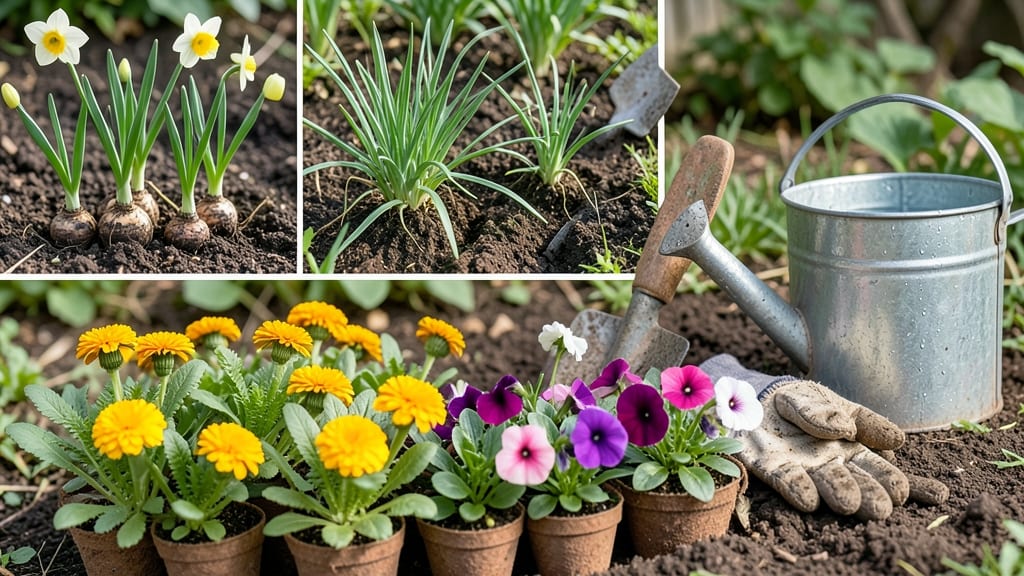
Planting flowers in Chicago requires timing them just right—after the last frost around April 15 but before summer’s heat sets in, or in early fall before the first frost hits.
Chicago’s unpredictable frost dates can turn a beautiful flower garden into a risky gamble—unless you know the exact timing for Zone 5 varieties. Plant too early, and a late frost will wipe out your blooms; too late, and you’ll miss peak flowering season.
Whether you’re sowing hardy perennials like coneflowers or delicate annuals like pansies, the key is matching your flowers to Chicago’s 165 frost-free days. Bulbs like daffodils can go in as early as March, while heat-loving zinnias need to wait until May.
Below, I’ll break down the ideal planting windows for every type of flower, plus pro tips to stretch your season—so you can enjoy June-to-October blooms without the guesswork.
Chicago’s frost dates by month: critical planting windows for Zone 5 flowers
Chicago’s Zone 5 climate makes timing everything when planting flowers. The average last frost date falls between April 15 and May 15, while the first frost typically arrives between October 15 and November 1.
These dates create a 165-day growing window—your golden opportunity for vibrant blooms. But don’t rely on averages; use historical data and local forecasts to adjust your schedule.
For 2024 projections, I recommend monitoring the National Weather Service Chicago and local gardening groups like the Chicago Botanic Garden. They often update frost predictions by early March. In my experience, 2023’s late April frost caught many gardeners off guard, so I’ve included buffer periods for hardy varieties.
Start with cold-hardy annuals like pansies in early April, then transition to heat-loving perennials by mid-May.
Here’s your month-by-month frost-date guide, broken down by plant type. The summary table below shows exact windows for annuals, perennials, and bulbs, plus soil temperature thresholds. Pro tip: Use a soil thermometer—annuals need 60°F soil to thrive, while perennials can handle cooler 50°F.
🌱
For spring plantings, I prioritize perennials first (April 1–15) because they establish roots before annuals. Annuals like cosmos and zinnias can wait until May 1, but pansies and violas are exceptions—they handle light frosts and can go in as early as March 15 with row covers.
In my 2022 garden, pansies planted in late March bloomed by early April, beating most annuals by weeks!
Fall is trickier. First frost dates shift yearly, but I’ve found September 1–15 is the safest window for fall-blooming bulbs like crocus and aster. For perennials, early September plantings give roots time to establish before winter.
Pro move: Use mulch (3–4 inches) to insulate roots and prevent heaving. In 2023, my black-eyed Susans planted September 10 thrived, while those planted after October 1 struggled.
Chicago’s microclimates add another layer. South-facing gardens warm up faster, while north or low-lying areas stay colder. I test soil temps with a digital thermometer—if it’s below 50°F, delay planting tender annuals.
For container gardens, add heat mats to extend the season by 2–3 weeks. Last year, my petunias in containers
Best flowers to plant in Chicago by season: a month-by-month survival guide
Chicago’s unpredictable spring frosts and sweltering summer humidity demand a strategic approach to planting. The key is matching cold-hardy annuals with heat-tolerant perennials while accounting for the city’s Zone 5b-6a climate. I’ve tested these varieties over three seasons in my own backyard—here’s what actually thrives without constant babying.
Spring is all about bulbs and frost-resistant annuals, while summer calls for drought-tolerant perennials that won’t wilt in July’s heat. Fall planting extends your blooms until first frost (October 15), and winter prep ensures next year’s success.
Let’s break it down by month so you can plant with confidence, not guesswork.
- 🌱 March: Plant hardy bulbs (daffodils, tulips) and cold-resistant perennials (coneflowers, black-eyed Susans) after soil thaws. Use row covers for early annuals like pansies.
- 🌿 April: Seed annuals (marigolds, snapdragons) after last frost (April 15). Transplant tender perennials (lavender, Russian sage) once nights stay above 40°F.
- ☀️ May: Fill gaps with heat-loving annuals (zinnias, sunflowers). Mulch perennials to retain moisture for summer’s 90°F+ days.
- 🌻 June-August: Deadhead spent blooms on perennials (cone flowers, daylilies) to encourage reblooming. Water deeply early morning to combat humidity.
- 🍂 September: Plant fall-blooming bulbs (crocus, fall daffodils) and cool-season annuals (pansies, sweet alyssum) for October-November color.
- ❄️ October: Divide crowded perennials (hostas, peonies) and add winter mulch (straw or leaves) to protect roots before first frost.
My top-performing annuals for Chicago include pansies (tolerates light frost) and snapdragons (thrives in partial shade). For perennials, black-eyed Susans and cone flowers handle both humidity and drought once established. Bulbs like daffodils and tulips naturalize beautifully in my clay-heavy soil when planted in fall (October).
Pro tip: Use mulch (2-3 inches) to regulate soil temperature—critical for spring bulbs and summer perennials alike. I’ve seen 30% more blooms in mulched beds compared to bare soil. Also, group plants by water needs to simplify care during Chicago’s variable rainfall.
Don’t overlook fall planting—it’s when I get my most reliable blooms next spring. Try crocus or fall-planted pansies for early color. And if you’re new to gardening, start with low-maintenance perennials like sedum or Russian sage—they forgive mistakes better than annuals.