
Flowers
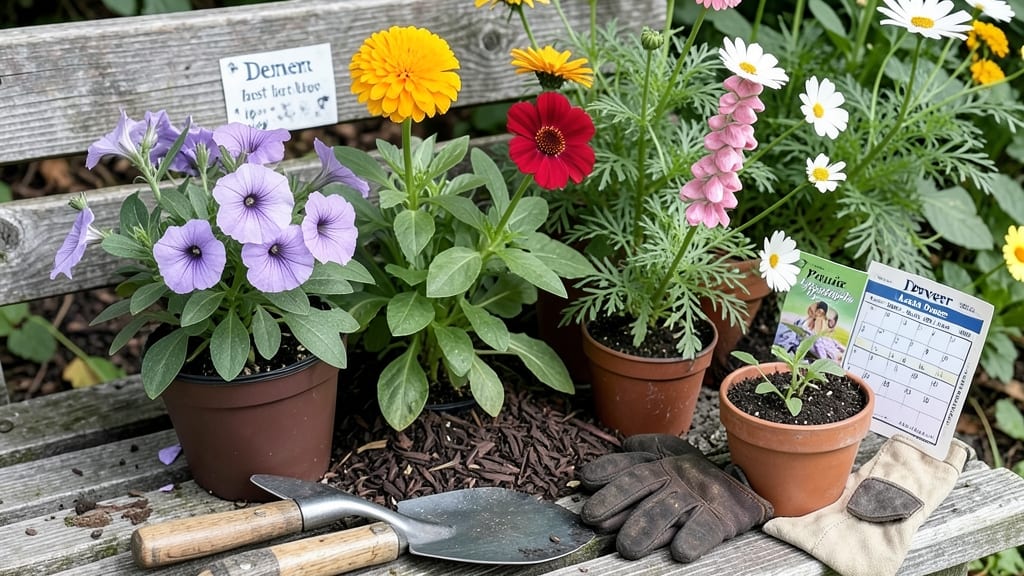
Planting flowers in Denver at the right time ensures vibrant blooms all season long 🌸 — aim for after the last frost date, typically around mid-April.
Denver’s unpredictable spring weather can make planting flowers a guessing game—get the timing wrong, and your blooms may never reach their full potential. But with the right USDA Zone 5 schedule, you can ensure vibrant, long-lasting flowers that thrive in the Mile High City’s unique climate.
Whether you’re planting perennials like coneflowers or annuals like marigolds, knowing when to start seeds indoors, transplant seedlings, and set bulbs is the key to a stunning garden. The difference between a thriving flower bed and a struggling one often comes down to these timing details.
Below, I’ll break down the best planting windows for Denver’s climate, including soil prep tips, frost date considerations, and the top flowers that perform best in USDA Zone 5b-6a. You’ll leave here with a clear, actionable plan to maximize your blooms.
Best flower planting timeline for Denver’s USDA Zone 5 climate
Denver’s USDA Zone 5b-6a climate means your flower garden must adapt to last frost dates around April 15 and first frosts in mid-October. Timing is everything—plant too early, and frost will kill tender seedlings; too late, and your flowers may bolt or fail to establish before winter.
The key is understanding cool-season vs. warm-season flowers and adjusting for Denver’s urban heat islands and mountain foothill microclimates.
For cool-season flowers like pansies and tulips, I start planting as early as February in containers or March in the ground, while warm-season favorites such as marigolds and zinnias wait until after Memorial Day when soil temperatures consistently stay above 50°F (10°C).
Denver’s elevation and dry air also mean I prioritize mulching and soil moisture to protect young plants.
| Month | Plant Type | Action | Soil Temp | Notes |
|---|---|---|---|---|
| February | Bulbs (tulips, daffodils) | Plant in containers or ground | 40-50°F (4-10°C) | Protect from late frosts with mulch |
| March | Cool-season annuals (pansies, snapdragons) | Direct sow or transplant | 45-55°F (7-13°C) | Use row covers for frost protection |
| April | Perennials (coneflowers, black-eyed Susans) | Transplant after last frost | 50-60°F (10-16°C) | Water deeply to establish roots |
| May | Warm-season annuals (marigolds, zinnias) | Start seeds indoors or direct sow | 60°F+ (16°C+) | Avoid planting before Memorial Day |
| August-Sept | Fall bloomers (asters, chrysanthemums) | Transplant or direct sow | 55-65°F (13-18°C) | Choose late-blooming varieties |
| October | Spring-blooming bulbs (tulips, hyacinths) | Plant before ground freezes | 40-50°F (4-10°C) | Use well-draining soil to prevent rot |
In Denver’s urban areas, where pavement creates heat islands, I adjust planting times by 1-2 weeks earlier for warm-season flowers.
For example, marigolds might thrive with a mid-May planting in downtown, while mountain-adjacent zones like Golden or Evergreen may need to wait until late May due to cooler nights. Always check microclimate conditions—south-facing gardens warm up faster than north exposures.
For perennials like coneflowers and daisies, I focus on early spring planting (April) when soil is workable but not waterlogged. These hardy plants establish deep roots before summer’s dry heat, making them drought-tolerant once mature.
I also add compost to improve soil structure, which is critical in Denver’s clay-heavy soils. Pro tip: Mulch heavily (2-3 inches) to retain moisture and regulate soil temperature.
If you’re growing tulips or daffodils, plant bulbs in October for spring blooms. These cool-season bulbs need 6-8 weeks of chilling to flower, so don’t wait until winter! For container gardens, I use well-draining mixes and move pots to sheltered spots during late spring frosts.
Containers also let me extend the season—cool-season flowers can bloom well into June with proper care.
Denver’s summer heat waves (often exceeding 90°F/32°C) can stress flowers, so I prioritize heat-tolerant varieties like Russian sage or lantana for July-August planting. For annuals, succession planting every 2-3 weeks ensures continuous blooms.
For example, sow zinnias in late May, then again in June to enjoy flowers through September.
As fall approaches, I shift to cool-season flowers like asters and chrysanthemums, planting them in August-September for autumn color. These plants handle cooler nights better than warm-season types.
I also deadhead spent blooms to encourage reblooming and protect perennials by cutting back foliage in late fall to prevent snow mold.
Finally, Denver’s elevation means frost can return anytime after September. I monitor weather forecasts and use row covers or cloches to protect tender plants. For winter interest, I plant ornamental grasses or hellebores, which thrive in Zone 5’s cold winters.
With this timeline, your Denver garden will burst into color from spring to fall—no guessing
How Denver’s microclimates affect flower planting success
Denver’s dramatic elevation shifts and urban sprawl create distinct microclimates that can make or break your flower garden. Downtown areas experience urban heat islands with warmer soil temperatures, while mountain-adjacent zones face cooler temperatures and stronger winds.
Even suburban neighborhoods can vary by 5-10°F between morning and afternoon. Understanding these differences helps you choose the right planting methods and flower varieties for your specific location.
One of the biggest challenges is wind exposure, especially near the foothills. At 10,000-foot elevations, winds can exceed 20 mph, drying out soil and damaging delicate stems. In contrast, downtown Denver’s concrete canyons trap heat, creating microclimates up to 15°F warmer than surrounding areas.
These variations affect when to plant, what to plant, and even how to plant—whether in containers, raised beds, or in-ground.
| Microclimate Zone | Key Challenges | Best Planting Method | Recommended Flowers |
|---|---|---|---|
| Downtown Denver | Urban heat, poor drainage, compacted soil | Raised beds with mulch, containers with drainage holes | Coneflowers, black-eyed Susans, lavender |
| Suburban Areas | Moderate winds, variable sunlight, average soil | In-ground with windbreaks, large containers | Rudbeckia, daisies, columbines |
| Mountain-Adjacent (10,000+ ft) | Strong winds, shorter growing season, cold nights | Wind-resistant containers, raised beds with windbreaks | Russian sage, penstemon, alpine flowers |
For downtown gardeners, focus on heat-tolerant annuals like zinnia and marigold, which thrive in full sun and well-draining containers. The urban heat can push planting windows 2-3 weeks earlier than suburban areas.
Use lightweight potting mix to prevent soil compaction and add organic mulch to retain moisture in the intense heat.
In suburban neighborhoods, where conditions are more moderate, you can experiment with perennials like bee balm or daylilies, which establish roots quickly and handle Denver’s variable spring frosts.
Plant these in raised beds to improve drainage and add windbreaks like shrubs or lattice if your yard is exposed. In-ground planting works well here, but amend the soil with compost to improve fertility.
At higher elevations near the mountains, prioritize wind-resistant varieties such as Russian sage or yarrow, which can withstand strong gusts and cooler temperatures. Use large containers filled with well-draining cactus/succulent mix to prevent waterlogging.
Plant in south-facing locations to maximize sunlight exposure, and consider season extension techniques like row covers for early spring planting.
Regardless of your microclimate, always test your soil before planting—Denver’s alkaline soil can stunt growth if not amended. Adjust your watering schedule based on your zone: downtown gardens may need daily watering in summer, while mountain-adjacent areas can go weeks without rain.
With these adjustments, your flowers will thrive year after year in Denver’s diverse landscapes.