
Flowers
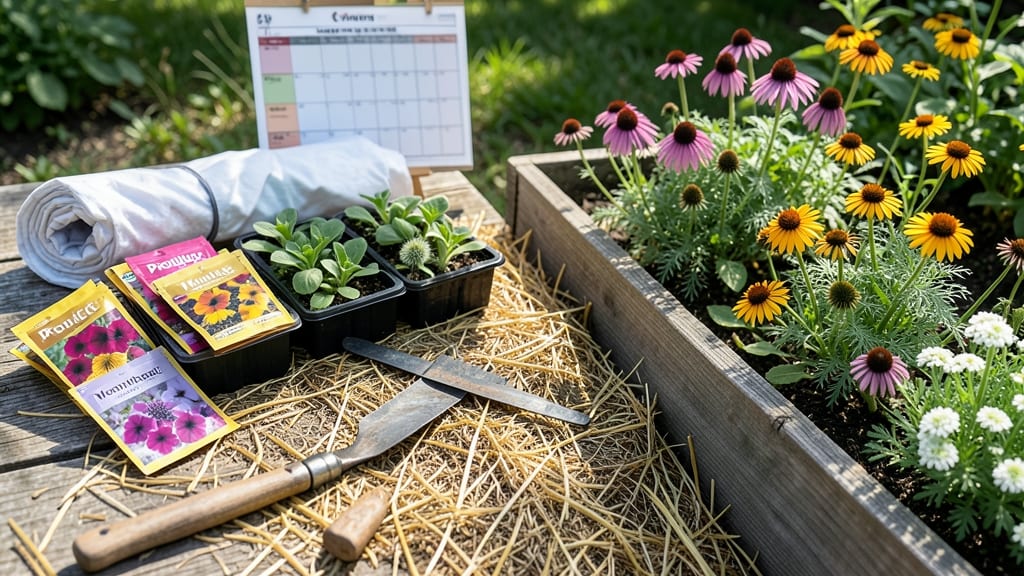
To plant flowers in Maine, aim for April to May after the last frost—skipping this window risks stunted blooms or frost damage.
Maine’s chilly springs and unpredictable frost dates can turn flower gardening into a guessing game—but timing your plantings correctly ensures vibrant blooms all season long.
Whether you’re a seasoned gardener or just starting, knowing the exact USDA Zone 4-5 planting windows for annuals, perennials, and bulbs is the key to success.
Coastal areas like Portland may warm up earlier, while inland spots near Bangor can linger in frost well into May. That’s why adjusting your schedule by 1-2 weeks based on microclimates makes all the difference—especially for heat-loving annuals like petunias or cold-hardy perennials like coneflowers.
In this guide, I’ll break down the perfect planting months for your zone, share tricks to protect young plants, and recommend the most reliable flowers for Maine’s short but sweet growing season. Let’s get those 🌸 thriving!
Maine’s USDA Zones 4-5: exact planting months for annuals, perennials & bulbs
Maine’s USDA Zones 4-5 offer a unique gardening challenge with their short growing seasons and unpredictable frost dates. The last average frost date typically arrives between May 10-20, while the first frost often hits around October 10-20.
These dates vary slightly between Zone 4a (colder inland areas) and Zone 5b (warmer coastal regions), so I’ll break it down by plant type and microclimate.
For cool-season flowers like pansies and snapdragons, you can start planting as early as late March to early April in Zone 5b, while Zone 4a gardeners should wait until mid-April.
Warm-season favorites like petunias and marigolds, however, need to wait until after the last frost—usually late May to early June—to thrive. Bulbs like tulips and daffodils have their own ideal windows for both spring and fall planting.
Here’s a quick reference for Maine’s planting timeline by flower type, tailored to both Zone 4a and Zone 5b:
If you’re in a coastal Zone 5b area, you can push your planting dates slightly earlier—sometimes by 1-2 weeks—thanks to milder winters and later frosts. Inland Zone 4a gardeners, on the other hand, should err on the side of caution and wait until the soil has fully warmed.
Always check the University of Maine’s frost prediction tools for real-time updates, as frost dates can shift year to year.
For container gardening, which is ideal for Maine’s short season, you can start warm-season annuals indoors in late March and transplant them outside after the last frost. This extends your bloom time significantly. Just be sure to harden off your plants gradually to avoid shock from temperature swings.
One of my favorite tricks for Maine gardeners is to plant a succession of cool-season flowers in late summer (like pansies or sweet alyssum) to keep color going until the first frost.
These fall-blooming annuals thrive in cooler weather and can often survive light frosts, giving you extra weeks of beauty.
When planting spring bulbs in fall, aim to get them in the ground by October 1st in Zone 4a and October 15th in Zone 5b. This gives the bulbs enough time to establish roots before the ground freezes.
For perennials, early spring planting (as soon as the soil is workable) gives roots a head start before summer heat arrives.
Remember, Maine’s microclimates can vary dramatically—even within a few miles. A south-facing slope might warm up faster than a north-facing yard, so observe your own space and adjust accordingly.
With these zone-specific timelines, you’ll be well on your way to a vibrant, long-lasting flower garden that defies Maine’s chill! 🌷
How to adjust planting dates for Maine’s microclimates & frost risks
Maine’s coastal areas and inland valleys experience wildly different frost patterns—sometimes just 20 miles apart. Coastal regions like Bar Harbor often enjoy 1-2 weeks earlier frost-free dates than inland spots like Augusta, thanks to moderating ocean breezes.
This means your pansies might thrive in early April on the coast but need to wait until mid-May inland. Always check the University of Maine’s frost prediction tools for your specific location.
To extend your growing season, I’ve found that row covers and cold frames can push planting dates 3-4 weeks earlier in spring or 2-3 weeks later in fall.
For example, I planted calendula under floating row covers in late March last year and enjoyed blooms by early May—two weeks ahead of schedule. These tools also protect delicate annuals like petunias from late spring frosts that can strike as late as June 1st in some years.
Here’s how to balance early and late varieties for maximum bloom time. Plant cool-season flowers like snapdragons and stock in early spring (March-April) for spring blooms, then follow with warm-season favorites like marigolds and zinnias after your last frost date.
I like to stagger plantings by 10-14 days to ensure continuous color from May through October.
Row Covers vs. Cold Frames for Frost Protection
Row Covers
- Pros: Affordable ($10-$20), portable, extends season by 3-4 weeks
- Cons: Limits sunlight (70-80%), hard to secure in wind
Best for: Seedlings, annuals, lightweight plants
Cold Frames
- Pros: Traps heat (10-15°F warmer), protects from wind, reusable
- Cons: Expensive ($50-$150), heavy, limited space
Best for: Perennials, herbs, overwintering
For coastal Maine, where frost dates are more predictable, I recommend planting hardy annuals like cosmos and black-eyed Susans as soon as the soil is workable (late April). Inland areas should wait until mid-May for these warm-season lovers.
I’ve also had success with fall-planted bulbs like crocus and snowdrops, which naturalize beautifully and bloom before spring frosts can damage them.
Don’t overlook local weather forecasts—the University of Maine Cooperative Extension provides free frost alerts via email or text. Last year, their warning saved my newly transplanted petunias from a May 10th frost by giving me time to cover them.
Pair this with soil thermometers ($15-$20) to confirm when 60°F soil temps are consistent, the ideal trigger for planting warm-season flowers.
If you’re gardening in containers, move them to protected microclimates like south-facing porches or under eaves at night during late spring. I once extended my geraniums’ season by 3 weeks using this trick.
For perennials, focus on early spring planting (March-April) to give roots time to establish before summer heat arrives.