
Flowers
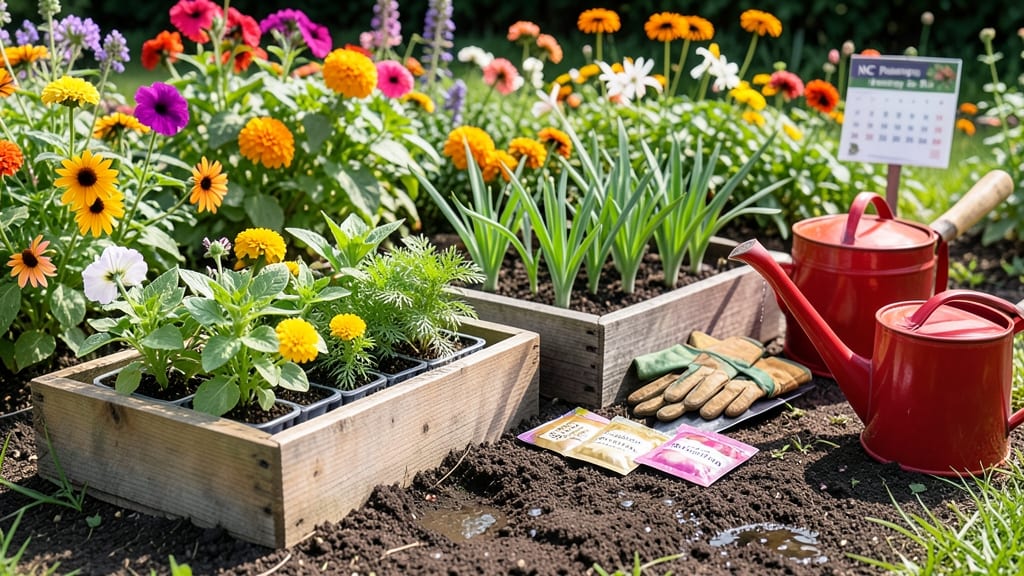
Planting flowers in North Carolina at the right time means the difference between a garden that bursts with color and one that fades before it even begins.
North Carolina’s diverse climate means your flower planting timeline depends on your hardiness zone—but getting it wrong can mean wilting dreams before blooms appear.
From the frost-prone mountains of the west to the milder coastal plains, each region has its own ideal window.
Annuals like petunias thrive when soil warms in late April or May, while perennials such as daylilies need an early start in March or early April to establish roots before summer heat arrives.
In this guide, I’ll break down the exact frost dates by zone, the best flowers to plant each month, and pro tips to protect your blooms from NC’s unpredictable weather shifts.
NC frost dates by Zone: critical planting windows for annuals & perennials
North Carolina spans USDA zones 7a through 8b, creating dramatic differences in frost timing from the mountains to the coast.
In zone 7a (western NC), average last frost dates arrive as early as March 15, while zone 8b (coastal areas) may see frost as late as January 31. These shifts mean pansies thrive in spring where petunias wilt—understanding your zone is critical.
Cool-season flowers like pansies and snapdragons can handle light frosts, but warm-season favorites such as petunias and marigolds need soil temperatures above 60°F to germinate.
My Zone 7b garden in Raleigh waits until April 15 for warm-season annuals, while coastal gardeners in Zone 8a plant the same varieties by March 1.
Here’s your zone-by-zone breakdown of frost dates and ideal planting windows for cool-season vs. warm-season flowers, plus adjustments for early/late springs:
| Zone | Avg. Last Frost | Avg. First Frost | Cool-Season Flowers | Warm-Season Flowers | Zone Notes |
|---|---|---|---|---|---|
| 7a (Mountains) | March 15 | November 15 | Sept 15–Oct 15 March 1–March 15 |
May 1–May 15 | Coldest zone; use row covers for early springs. |
| 7b (Piedmont) | March 25 | November 1 | Sept 1–Oct 1 March 15–March 30 |
April 15–April 30 | Moderate frost risk; adjust for microclimates. |
| 8a (Coastal) | March 1 | December 15 | Aug 15–Sept 15 Feb 15–March 1 |
March 1–March 15 | Mild winters; can plant earlier. |
| 8b (Outer Banks) | January 31 | January 15 | July 15–Aug 15 Jan 1–Feb 1 |
February 15 | Longest frost-free season; year-round planting possible. |
For cool-season annuals like pansies, sweet alyssum, and calendula, I plant seeds 6–8 weeks before the average last frost date in my zone. In Zone 7b, that means mid-January for fall blooms and mid-February for spring.
These flowers handle light frosts (28–32°F), but a hard freeze (below 28°F) will damage them.
Warm-season flowers such as petunias, zinnias, and geraniums need consistent warmth—soil temps should stay above 60°F for 2+ weeks before planting. In Zone 7a, I wait until May 1 to avoid late spring frosts, while Zone 8a gardeners can plant petunias by March 15.
Test soil temps with a soil thermometer for accuracy.
Perennials like daylilies and black-eyed Susans are hardy once established, but young plants need protection. In Zone 7a, I plant bare-root perennials in early spring (March) to give roots time to establish before summer heat.
For tender perennials like canna lilies, I wait until after Memorial Day in all zones.
Microclimates matter! A south-facing slope warms faster than a north-facing shady spot. In Zone 7b, my sunny border hits 60°F soil temps by April 1, while the shady garden needs another 2 weeks. Use mulch to regulate soil temps and row covers for early starts.
Pro tip: Check the NC State Extension Service’s frost maps yearly—they update 10-year averages and account for climate shifts. For example, Zone 7a’s last frost has crept earlier by 3–5 days in the past decade. Adjust your timeline accordingly!
Remember, fall planting extends blooms into winter. In Zone 8a, I sow pansies in September for Christmas flowers, while Zone 7a gardeners
Best flowers to plant by month in north Carolina (Zone-specific guide)
North Carolina’s 7a-8b hardiness zones create a perfect canvas for vibrant blooms—but timing is everything. Whether you’re in the coastal humidity of Wilmington or the mountain chill of Asheville, planting at the right moment ensures your flowers thrive.
Let’s break down the best month-by-month flowers for your NC garden, including heat tolerance tips and companion pairings to maximize beauty.
Spring kicks off with cool-season champions like tulips and daffodils, while summer demands heat-loving stars such as impatiens and zinnias. Fall brings chrysanthemums and pansies, and even winter offers opportunities with evergreen hellebores.
Each month’s selections align with NC’s average frost dates, ensuring your garden stays ahead of Mother Nature’s surprises.
- 1 March-April: Plant tulips, daffodils, and pansies after your last frost (typically mid-March in Zone 7a to late March in Zone 8a). These cool-season bloomers love 6-8 hours of sun and well-draining soil. Pair with alliums to repel pests naturally.
- 2 May: Welcome warm-season favorites like impatiens, petunias, and marigolds. Wait until soil reaches 60°F+ (usually mid-May) to avoid cool-snap damage. Plant zinnias with basil to deter thrips and attract pollinators.
- 3 June-July: Heat-tolerant annuals like sunflowers and cosmos shine. Mulch heavily to retain moisture—NC summers can hit 90°F+. Deadhead zinnias weekly for continuous blooms. Pair larkspur with roses to boost their fragrance.
- 4 August-September: Start fall perennials like chrysanthemums and asters in late August (Zone 7a) to early September (Zone 8a). These thrive in cooler temps and add autumn color. Plant snapdragons near tomatoes to deter hornworms.
- 5 October-November: Winter interest plants like hellebores and witch hazel go in after your first frost (usually mid-October). These shade-tolerant bloomers add color when most gardens sleep. Pair ornamental kale with pansies for a winter garden punch.
Pro tip: Use row covers for early spring plantings in Zone 7a to protect tender shoots from late frosts. For Zone 8a gardeners, extend your fall season by planting cool-season crops like calendulas in November—they’ll bloom until December in mild winters.
Remember, soil prep is key. Amend your beds with compost before planting, and always water deeply at the base of plants to encourage strong roots. With this monthly guide, your NC garden will burst with color all year round—no wilting in sight! 🌷