
Flowers
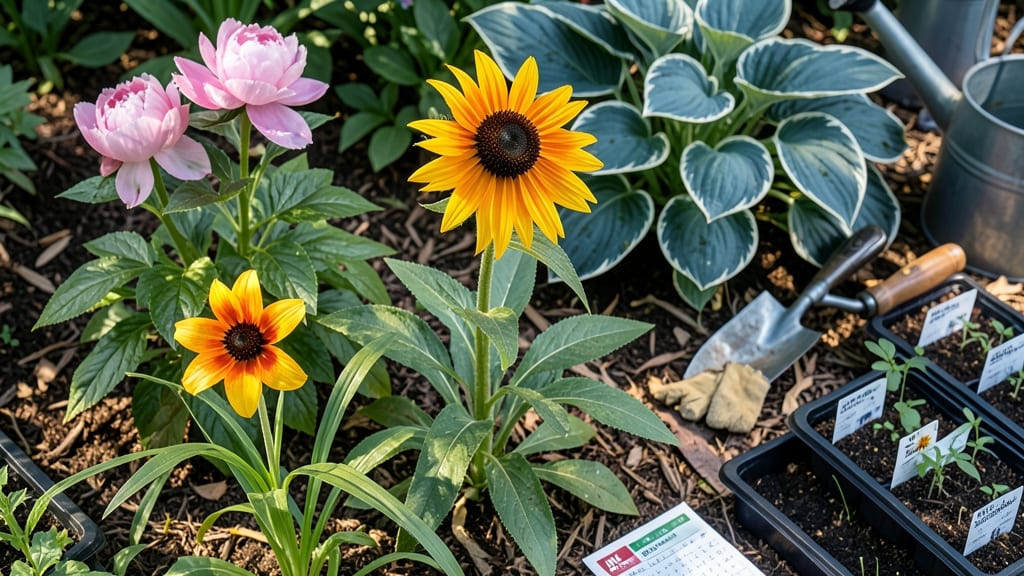
Planting flowers in New Jersey at the right time ensures vibrant blooms all season long 🌸 — aim for early spring or late summer to align with your USDA Zone 6-7 climate.
Timing is everything when planting flowers in New Jersey’s unpredictable climate—get it wrong, and your blooms may struggle to thrive. But with the right USDA Zone 6-7 planting schedule, you can ensure vibrant, long-lasting flowers that brighten your garden from spring to fall.
Most gardeners in New Jersey start with cool-season flowers like pansies and tulips in March, while heat-loving annuals like petunias wait until May when the soil warms. Fall planting in September gives perennials time to establish roots before winter.
Below, I break down the best months for each flower type, how to adjust for coastal vs. inland microclimates, and the top 5 mistakes that kill blooms before they even begin.
Best flower planting months in New Jersey by season (Zone 6-7 guide)
New Jersey’s USDA Zones 6-7 offer a 165-day frost-free growing season, but timing is critical for peak blooms. The last frost typically arrives around April 15, while the first frost hits by October 31.
Planting outside these windows can leave frost-sensitive varieties like petunias and marigolds struggling. My strategy? Focus on spring and fall planting for the best results.
Spring is the golden window for most annuals and perennials, but bulbs like tulips and daffodils need an early start. Fall planting, meanwhile, gives hardy perennials like black-eyed Susans and daylilies time to establish roots before winter.
Let’s break down the ideal planting months by season to maximize your garden’s potential.
| Season | Plant Type | Best Months | Notes |
|---|---|---|---|
| Spring | Annuals (Petunias, Marigolds, Zinnias) | April–May | Wait until soil reaches 60°F; avoid frost-sensitive varieties. |
| Spring | Perennials (Daylilies, Coneflowers) | March–April | Plant after last frost; divide clumps in early spring. |
| Spring | Bulbs (Tulips, Daffodils) | October–November (fall) or March (spring) | Plant bulbs 6–8 weeks before frost for best blooms. |
| Summer | Heat-Tolerant Annuals (Sunflowers, Lantana) | June–July | Direct-sow after May 15; mulch to retain moisture. |
| Fall | Perennials (Black-Eyed Susans, Lavender) | September–October | Plant 6 weeks before frost; water deeply before winter. |
| Fall | Spring-Blooming Bulbs (Crocuses, Hyacinths) | September–October | Cool temps help bulbs root; avoid late-season planting. |
For spring planting, I prioritize March and April for perennials like daylilies and coneflowers, which thrive when planted after the last frost. Annuals like petunias and marigolds need warmer soil—aim for April–May when temperatures consistently stay above 60°F.
Pro tip: Use row covers to extend the season for frost-sensitive varieties.
Summer planting in June–July is perfect for heat-loving annuals such as sunflowers and lantana. These varieties handle New Jersey’s humid summers with ease, but they need deep watering to prevent wilting. I always mulch heavily to lock in moisture and keep roots cool during peak heat.
Fall is my second-favorite planting season because it gives perennials like black-eyed Susans time to establish roots before winter. Plant between September and October, ensuring you finish at least 6 weeks before frost. This timing also works for spring-blooming bulbs, which need cool soil to root properly.
New Jersey’s coastal vs. inland microclimates can shift planting windows by 2–3 weeks. Coastal areas (like Cape May) have milder winters and can plant annuals slightly earlier, while inland regions (like Sussex County) may need to wait longer for soil to warm.
Always check your local frost dates for precision.
One of my biggest mistakes was planting petunias too early in March. They wilted when a late frost hit! Now, I wait until mid-April for frost-sensitive annuals and use cold frames to protect seedlings.
For perennials, I’ve learned that fall planting reduces stress and yields bigger blooms the following year.
To make the most of your Zone 6-7 garden, start with bulbs in fall, then move to perennials in early spring, and finish with annuals in late spring.
This staggered approach ensures continuous color from April through October. Don’t forget to deadhead spent blooms—it encourages longer flowering and keeps your garden looking its best.
With the right timing, your New
How to adjust planting dates for New Jersey’s microclimates (coastal vs. inland)
New Jersey’s diverse microclimates can shift planting windows by 2-4 weeks depending on whether you're near the coastal breeze or inland heat. In Sussex County, colder nights delay spring planting, while Cape May’s milder climate lets you start earlier.
Understanding these differences means the difference between blooming beauty and wilted disappointment.
Coastal areas like Atlantic City experience higher humidity and moderate temperatures, creating ideal conditions for heat-sensitive flowers like petunias and impatiens.
Meanwhile, inland regions such as Trenton face faster temperature swings, requiring hardier varieties like black-eyed Susans or daylilies that can handle hotter days and cooler nights.
- 1. Coastal NJ (e.g., Cape May, Atlantic City): Start 2 weeks earlier for spring flowers due to warmer soil and less frost risk. Use row covers for late-season blooms like mums.
- 2. Inland NJ (e.g., Sussex, Morris Counties): Wait until soil warms to 60°F (usually mid-May) to avoid frost damage to tender plants.
- 3. Northern NJ (e.g., Bergen, Passaic): Plant cold-hardy perennials like coneflowers in early spring (March) but delay annuals until after last frost.
- 4. Southern NJ (e.g., Salem, Gloucester): Extend fall planting to mid-October using cold frames for winter blooms like pansies.
- 5. Urban vs. Rural: City gardens (e.g., Jersey City) may have earlier soil warming due to heat islands, while rural areas need later adjustments.
For coastal gardeners, focus on humidity-loving plants like hydrangeas or fuchsias, which thrive in moist air but may struggle inland. In contrast, inland gardens benefit from drought-tolerant varieties like lavender or Russian sage, which handle hotter, drier conditions.
Always check your local frost dates—coastal areas average 2-3 weeks later for first frost than inland spots.
Extend your growing season with row covers or cold frames. In coastal zones, use covers to protect fall plantings from early coastal fog, while inland gardeners can start seeds indoors 4-6 weeks earlier than coastal timelines suggest.
For example, marigolds can be direct-sown in late April in Cape May but wait until mid-May in Sussex County.
Pro tip: Monitor soil temperature with a soil thermometer—coastal soil warms 2-3°F faster than inland due to ocean breezes. Aim for 60°F for annuals and 50°F for perennials before planting.
Adjust your watering schedule too: coastal plants may need more frequent watering due to higher evaporation rates from humidity.
By tailoring your planting calendar to your local microclimate, you’ll enjoy longer bloom seasons and healthier plants. Whether you’re in briny Cape May or dry Sussex County, these adjustments will help your flowers thrive year-round. 🌿