
Planting
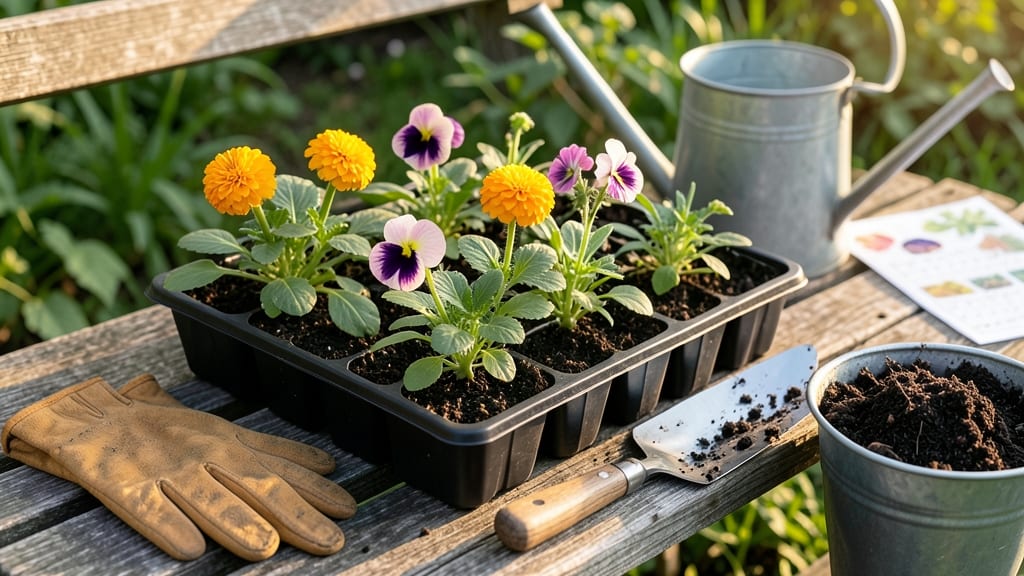
You can plant flowers outside after your last frost date, when soil temperatures hit at least 60°F—that’s the magic window for vibrant blooms and strong roots.
Picture this: you’ve waited all winter, and suddenly, your garden is ready for color. But plant too early, and a late frost will turn your 🌸 into a sad, brown memory. That’s why knowing your local frost date isn’t just helpful—it’s the key to a thriving garden.
In USDA Zone 6a, like much of the Midwest, that usually means waiting until mid-April or early May. But your exact timing depends on whether you’re growing annuals (like marigolds) or perennials (like coneflowers), and whether you’re willing to take a few risks with cold-hardy varieties.
Below, I’ll break down how to find your frost date, adjust for your specific climate, and even extend your planting season with simple tricks—so you can enjoy flowers from spring to fall without the guesswork.
How to determine your last frost date for flower planting
Knowing your last frost date is the first step to planting flowers successfully. A late frost can kill tender seedlings, while planting too early risks stunted growth. Your local frost date determines when soil warms enough for most flowers to thrive.
Let’s break down how to find yours and adjust for your unique garden conditions.
Start by checking your USDA Hardiness Zone—this divides the U.S. into 13 zones based on average minimum winter temperatures. Visit the USDA Plant Hardiness Zone Map and enter your ZIP code.
For example, Zone 6a (like much of the Midwest) typically has a last frost around April 15, while Zone 8b (southern California) may see frost-free soil by February 15.
Next, use trusted resources like the Old Farmer’s Almanac or NOAA’s Frost/Freeze Calculator. These tools provide historical frost data for your area. For instance, the Almanac’s Frost and Freeze Dates adjusts for local variations, giving you a more precise estimate than generic zone averages.
Don’t rely solely on zone averages—your garden’s microclimate plays a huge role. A south-facing slope warms faster than a shaded valley, while urban areas can be 5–10°F warmer than rural spots. Observe your yard: Where does frost linger longest? Note these patterns to fine-tune your planting timeline.
For tender annuals like petunias or impatiens, wait until 2–3 weeks after your last frost date. These plants can’t handle even light frost. Hardier perennials (e.g., coneflowers, black-eyed Susans) tolerate light frosts and can often be planted 1–2 weeks earlier. Always check seed packets for specific cold tolerance guidelines.
Soil temperature matters just as much as air temperature. Use a soil thermometer to confirm your soil has warmed to at least 60°F (15°C)—ideal for most flowers. Cool soil delays germination and weakens seedlings. In colder zones, aim for 50–55°F (10–13°C) for frost-hardy varieties like pansies or snapdragons.
Track your local frost dates for 3–5 years to spot trends. Weather patterns shift—what was reliable 10 years ago may not hold true today. Keep a garden journal noting frost dates, planting success, and any unexpected freezes. This personal data becomes your most accurate guide over time.
If you’re unsure about your exact frost date, use the "10-day rule": Wait until the 10-day forecast shows no frost risk. This extra caution protects delicate seedlings from unexpected late frosts.
For example, if your average last frost is April 15, hold off planting until April 25 to be safe.
For bulbs like tulips or daffodils, plant them 6–8 weeks before
Best flower planting times by climate Zone (with frost-date calculator tips)
Planting flowers at the right time ensures they thrive and bloom spectacularly. Your climate zone determines the best window for planting annuals, perennials, and bulbs. For example, USDA Zone 5 gardeners should wait until after the last frost date (typically mid-May), while Zone 10 gardeners can plant year-round.
Using a frost-date calculator like the Old Farmer’s Almanac or NOAA’s tool simplifies this process by providing localized data.
Most flowers prefer to be planted after the soil temperature reaches at least 60°F (15°C). This rule applies to tender annuals like marigolds and petunias, as well as warm-season perennials such as coneflowers.
However, cool-season flowers like pansies and snapdragons can handle earlier planting, even before the last frost, as long as they’re protected from extreme cold.
🌱 Comparison Table: Best Flower Planting Times by Climate Zone
| Climate Zone | Last Frost Date (Avg.) | Best Planting Window | Annuals (Examples) | Perennials (Examples) | Bulbs (Examples) |
|---|---|---|---|---|---|
| Zones 3-4 (Cold) | Mid-May | After May 15 | Marigolds, Zinnias | Black-Eyed Susans | Tulips (Fall) |
| Zones 5-6 (Temperate) | Early May | After April 30 | Petunias, Geraniums | Coneflowers, Lavender | Daffodils (Fall) |
| Zones 7-8 (Warm) | Mid-March | After March 15 | Impatiens, Vinca | Daylilies, Salvia | Crocus (Fall) |
| Zones 9-10 (Hot) | None (Year-round) | Year-round (avoid summer heat) | Portulaca, Lantana | Gaillardia, Yucca | Paperwhites (Fall) |
To find your last frost date, use free tools like the Old Farmer’s Almanac or NOAA’s climate calculator. Simply enter your ZIP code, and the tool will provide your average frost dates for the year.
For example, if you’re in Zone 6 and the calculator shows a May 10 last frost date, wait until May 20 to plant heat-loving annuals like tomatoes or peppers to ensure safety.
For bulbs like tulips and daffodils, the opposite rule applies. Plant them in fall (October-November), about 6-8 weeks before the first frost. This gives roots time to establish before winter dormancy.
Use a frost-date calculator to determine your first frost date and work backward for ideal bulb-planting timing.
Pro tip: If you’re unsure about your microclimate, observe your garden for a few years. Areas near water bodies or south-facing walls may warm up faster, allowing earlier planting. Adjust your schedule accordingly to maximize your flowering season.
🌸 With the right timing, your garden will burst into color—just in time for summer! Start by checking your frost dates today, and your flowers will thank you with vibrant blooms all season long.