
Flowers
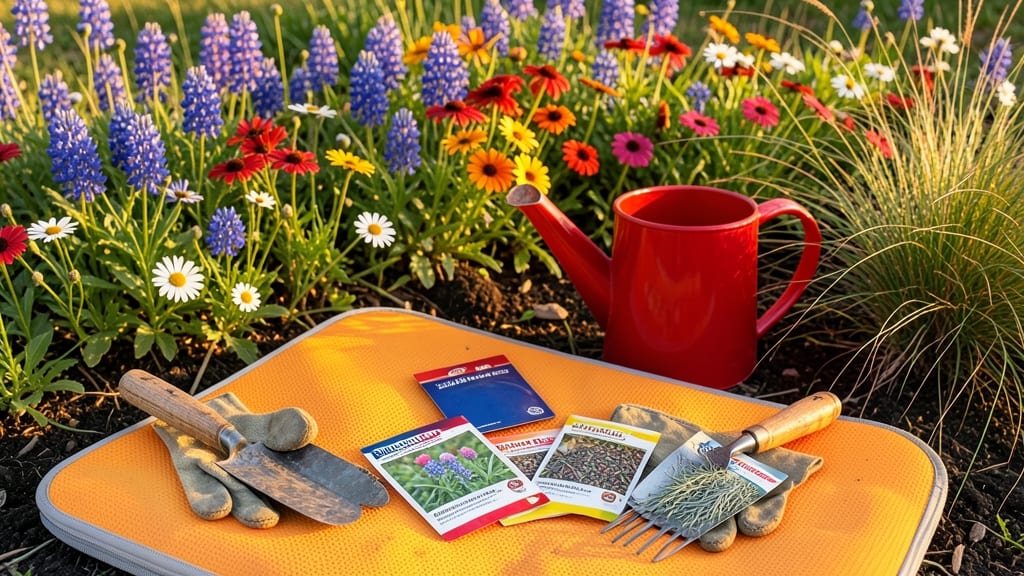
Planting flowers in North Texas at the right time ensures vibrant blooms all season long 🌸 — the key is timing around frost dates and heat tolerance.
North Texas gardeners know timing is everything—plant too early and risk frost damage, too late and miss the growing season. But with Zone 8a’s mild winters and scorching summers, mastering the perfect schedule can transform your yard into a year-round floral paradise.
Spring is the prime window for most flowers, with late February to early March being ideal for cool-season varieties like pansies and snapdragons. Meanwhile, heat-loving annuals like zinnias and cosmos thrive when planted in late April or early May, once the soil warms.
Here’s how to align your planting with North Texas’s unique climate, including soil prep tips and care tricks to keep your flowers blooming longer and brighter.
Best flower planting schedule for North Texas Zone 8a by season
North Texas gardeners in Zone 8a enjoy a unique climate with 210 frost-free days, but timing your flower plantings correctly is key to avoiding late spring frosts (mid-March) or early fall freezes (mid-November).
The secret lies in understanding each flower's heat tolerance and transplant windows—whether you're planting annuals, perennials, or spring bulbs.
Spring is the busiest season, with February through April offering ideal conditions for cool-season flowers like pansies and snapdragons. Meanwhile, fall planting in September-October gives heat-sensitive varieties like marigolds and salvia time to establish roots before winter.
Let's break down the exact month-by-month schedule for 10 top-performing flowers in North Texas.
For spring planting, focus on February through April when soil temperatures rise above 60°F. This is prime time for marigolds, zinnias, and lantana, which thrive in North Texas's hot summers. Start annual seeds indoors in
How to adjust planting times for North Texas microclimates
North Texas isn't just one climate—it's a patchwork of microclimates that can shift your planting schedule by weeks. Urban areas like Dallas can be 5-10°F hotter than rural spots, while elevated areas stay cooler longer.
These variations mean your neighbor's perfect timing might fry your impatiens or stunt your petunias. Understanding these zones helps you extend seasons and protect heat-sensitive blooms.
Start by mapping your yard's microclimates. South-facing slopes warm up fastest, while north-facing areas stay cooler. Wind exposure near open fields can dry out plants quicker, while sheltered spots retain moisture. Even a 10-foot difference in elevation can delay frost by 2-3 weeks in fall.
Use these observations to adjust your planting calendar by 2-4 weeks earlier or later based on your specific conditions.
⚠️ Microclimate Mistakes Can Ruin Your Blooms
Planting heat-sensitive flowers like impatiens or petunias in full sun without adjustments? You'll get crispy leaves by June. Here's the critical fix:
- Urban areas: Delay spring planting by 1-2 weeks to avoid early heat stress
- Elevated spots: Plant cool-season flowers 2 weeks earlier than low areas
- Wind-exposed zones: Use windbreaks or containers to protect delicate stems
For heat-sensitive annuals, use shade cloth (30-50%) during peak summer months. This can extend their growing season by 4-6 weeks. I've had impatiens thrive in full shade with just morning sun, while petunias need afternoon shade in urban heat islands.
Test your microclimates first by planting a few test flowers in different locations before committing to full beds.
Container gardening offers another solution for tricky microclimates. Move pots to shadier spots during summer afternoons or place them on elevated surfaces to improve air circulation.
I keep my geraniums in containers that I roll under a patio cover when temperatures hit 95°F. This flexibility lets me grow flowers that wouldn't survive in fixed garden beds during extreme heat.
Don't overlook the power of mulch—it's not just for weeds. A 3-inch layer of organic mulch can keep soil 5-10°F cooler in summer and 5-15°F warmer in winter. For spring-planted bulbs, use mulch to protect emerging shoots from late frosts.
In my garden, mulched areas allow me to plant tulips 2 weeks earlier than unmulched beds without frost damage.
Adjust your watering schedule based on microclimates too. South-facing beds may need watering daily in summer, while north-facing areas might only need it every other day. Use drip irrigation with timers to automate these differences.
I've seen zinnias bolt when overwatered in shady spots, while lantana thrives with less water in full sun.
Remember, these adjustments aren't just about timing—they're about creating the right conditions for your flowers to thrive. Start small with one microclimate challenge, like protecting your impatiens from urban heat, and build from there.
With practice, you'll develop an intuitive sense for when to plant each variety in your specific North Texas microclimate. 🌿