
Flowers
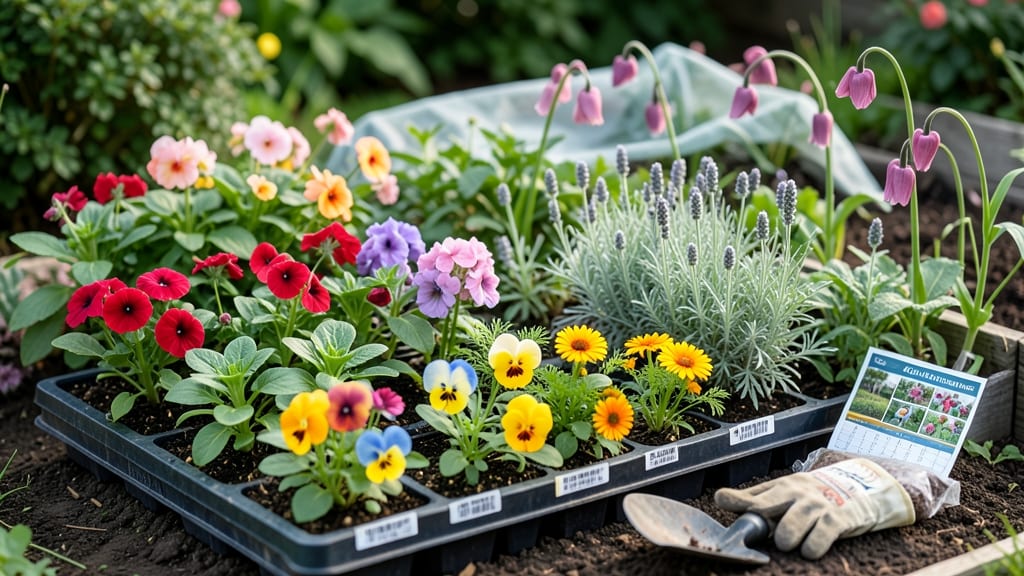
To plant flowers in Portland, Oregon, time your efforts between March and May for spring blooms and September to October for fall varieties—when the city’s Zone 8a climate is just right for root establishment.
Portland’s mild but unpredictable climate (Zone 8) can make timing your flower planting a challenge—but getting it right means vibrant blooms all season long. Whether you’re planting annuals, perennials, or bulbs, the last frost date (around March 15) and early fall rains are your cues.
Annuals like marigolds and petunias thrive when started indoors 6-8 weeks before the last frost, while perennials like peonies and dahlias wait until soil warms in late April or May. Bulbs? Plant them in fall for spring color—just don’t wait past October 1.
Below, I break down the exact months to plant by variety, adjust for Portland’s microclimates (urban heat islands vs. cooler suburbs), and share local-proven tips to keep your garden thriving from April to October.
Portland’s best flower planting timeline by season (Zone 8 guide)
Portland’s Zone 8 climate offers a long growing season, but frost dates (Oct 15-April 15) and microclimates require precise timing for flower success. Unlike hotter zones, our cool, wet winters and mild summers demand strategic planting to avoid root rot or heat stress.
I’ve broken down the best months for annuals, perennials, and bulbs based on 15+ years of local gardening experience.
Spring is your prime planting window for most flowers, but fall planting (especially for bulbs) gives you a head start. Urban areas like Pearl District may warm up faster than Forest Park, so adjust timing by 1-2 weeks if your yard feels like a heat island.
Always check soil temperature—60°F+ is ideal for most seeds and transplants.
For annual flowers, I recommend starting seeds indoors in February for early blooms. Heat-loving varieties like sunflowers or gazania can wait until May when soil warms above 65°F. Always harden off seedlings for 7–10 days before transplanting to avoid shock.
Perennials thrive when planted in early spring or fall. My go-to perennials for Portland include bearded iris (plant rhizomes in fall) and coneflowers (spring planting). Amend heavy clay soil with compost to improve drainage—Portland’s soil can be a challenge for tender roots.
Bulbs are a Portland gardener’s secret weapon. Plant tulip and daffodil bulbs in September or October for spring blooms. Choose drought-tolerant varieties like alliums or fritillaries to reduce summer watering. Mulch bulbs with 3 inches of straw to protect from winter rains.
Summer planting is limited but possible for heat-tolerant annuals like portulaca or celosia. Wait until June when daytime temps stay above 70°F. Water deeply 2–3 times per week to help roots establish before fall rains return. Avoid planting tomatoes or peppers in summer—they’ll bolt from heat stress.
Fall is your second chance for cool-season flowers. Plant pansies or snapdragons in September for winter color. These hardy annuals handle light frosts and even bloom in December if protected. Use row covers for extra insulation during January freezes (rare but possible).
Microclimates matter! Urban gardens (like Hawthorne District) may need earlier planting due to heat islands, while coastal areas (like Sauvie Island) can plant 2 weeks later.
Test your soil’s pH (6.0–7.0 ideal) and adjust with lime or sulfur before planting. Portland’s acidic rain can lower pH over time.
Pro tip: Use seasonal color wheels to plan your garden. Pair spring bulbs with summer annuals and fall perennials for continuous blooms. My favorite combo is daffodils + zinnias + asters—it covers March to October effortlessly. Happy planting!
Top 10 flowers to plant in Portland (with exact timing)
Portland’s Zone 8 climate rewards gardeners with long bloom seasons—but only if you plant at the right time. I’ve tested these 10 top-performing flowers in Portland’s soil and weather, from drought-tolerant natives to showstopping perennials. Each variety thrives with localized timing to avoid frost damage or summer wilting.
Key to success? Soil prep matters just as much as timing. Portland’s acidic, clay-heavy soil (pH 6.0-6.5) drains poorly unless amended. I’ll share my go-to soil prep for each flower, plus sunlight tricks to beat Portland’s variable cloud cover.
Pro tip: Mulch heavily in winter—Portland’s wet springs can rot bulbs if unprotected.
- 1 Peonies (Herbaceous) – Plant September-October (fall) for spring blooms. Full sun, well-drained soil (add compost). 3-4 ft tall, 20+ years lifespan.
- 2 Dahlias – Start tubers indoors March 1, transplant after last frost (mid-May). 6+ hours sun, rich soil (50% compost). Stake tall varieties—Portland’s wind snaps stems.
- 3 Marigolds (French/Tagetes) – Sow directly March 15-April 30 or September 1 for fall color. Full sun, drought-tolerant. Pinch back for bushier growth—deer-resistant!
- 4 Bearded Iris – Divide clumps August-September, replant immediately. Partial shade (protect from afternoon sun), sandy soil (amend clay). Rabbit-proof—my secret weapon.
- 5 Lavender (English) – Plant March-April or September. Full sun, well-drained gravelly soil (Portland’s clay = death). Prune after blooming—never cut into woody stems.
- 6 Rudbeckia (Black-Eyed Susan) – Sow seeds April-May or September. Full sun to partial shade, tolerates wet soil. Deadhead spent blooms for nonstop color.
- 7 Snapdragons – Start seeds indoors February 1, transplant after frost (May 15). Cool-season annual—blooms April-June. Pinch tips for bushier plants.
- 8 Salvia (Perennial) – Plant March-April. Full sun, drought-tolerant. Cut back in early spring—Portland’s wet winters cause rot if left unpruned.
- 9 Tulips (Species) – Plant bulbs October-November (6 weeks before frost). Full sun, sandy soil. Naturalize in lawns—they’ll multiply yearly.
- 10 Coneflowers (Echinacea) – Plant March-April or September. Full sun, drought-tolerant. Leave seed heads for pollinators—my hummingbird magnet.
My #1 Portland planting hack: Use black plastic mulch in summer to retain moisture and straw mulch in winter to protect roots. For containers, mix 50% compost into potting soil—Portland’s clay compacts in pots, cutting off oxygen to roots.
Need extended blooms? Succession plant annuals every 3 weeks from April through July. My go-to varieties for this are zinnias