
Flowers
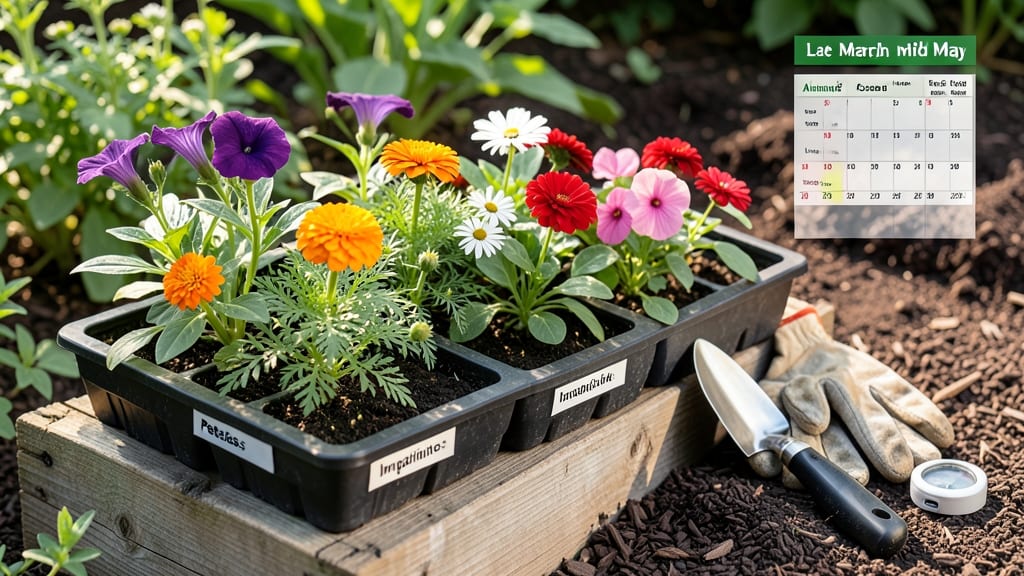
Planting flowers in St. Louis at the right time means the difference between a garden bursting with color and one that struggles to take root.
St. Louis gardeners know timing is everything—plant too early, and frost will kill your blooms; too late, and your flowers may struggle to thrive before winter. Mastering the perfect planting schedule in USDA Zone 6 ensures vibrant, healthy flowers year after year.
This guide breaks down the ideal months for annuals, perennials, and bulbs, so you can align your planting with St. Louis’ climate—think March to May for spring blooms and September for fall favorites. We’ll also cover soil prep, spacing, and watering tips tailored to your local microclimate.
Whether you’re a first-time gardener or a seasoned pro, these timelines will help you avoid common pitfalls and maximize your garden’s potential. Let’s get those 🌸 thriving!
Best months to plant annual and perennial flowers in St. louis
St. Louis gardeners face a 165-day frost-free season, making timing critical for flower success. The last average frost date is April 15, while the first frost typically arrives October 15.
These dates create a 90-day window for warm-season annuals and the perfect moment for perennials to establish before winter.
Annual flowers are divided into cool-season and warm-season varieties, each requiring different planting strategies. Cool-season annuals like pansies and snapdragons thrive when planted 4-6 weeks before the last frost, while warm-season beauties such as marigolds and petunias need soil temperatures above 60°F to germinate successfully.
Perennials, on the other hand, benefit from being planted when they can establish roots before winter. The ideal window is late spring (May) or early fall (September), allowing them to harden off before cold snaps. This timing also helps avoid transplant shock during extreme heat or cold.
Soil temperature plays a critical role in St. Louis gardening. For most flowers, soil should reach 50-60°F for cool-season planting and 60-70°F for warm-season varieties.
You can check soil temps with a soil thermometer or use the back-of-hand test—if it feels warm but not hot, it's likely ready for planting.
Here’s a quick reference for St. Louis planting windows based on flower type and season:
| Plant Type | Best Planting Month | Soil Temp Requirement | Key Notes |
|---|---|---|---|
| Cool-Season Annuals | March-April | 40-50°F | Pansies, snapdragons, sweet peas. Plant 4-6 weeks before last frost. |
| Warm-Season Annuals | May-June | 60-70°F | Marigolds, petunias, zinnias. Wait until soil warms and frost risk passes. |
| Spring-Blooming Perennials | September-October | 50-60°F | Peonies, irises, daylilies. Plant in fall for root establishment. |
| Summer-Blooming Perennials | April-May | 50-60°F | Coneflowers, black-eyed Susans, salvias. Transplant after last frost. |
| Bulbs (Tulips, Daffodils) | October-November | 40-50°F | Plant 6-8 weeks before ground freezes for spring blooms. |
For warm-season annuals, timing is everything—plant too early, and they’ll bolt or rot in cool soil. Start seeds indoors 6-8 weeks before the last frost (around March 1) for varieties like tomato plants (yes, they’re technically annuals too!) or transplant hardened-off seedlings after April 15.
Perennials like coneflowers and black-eyed Susans thrive when planted in late spring (May). This gives them time to establish roots before summer heat sets in. If you miss this window, September planting is your next best option, allowing them to acclimate before winter.
St. Louis’ microclimates can shift planting times by 1-2 weeks. Urban areas like Downtown or South County may experience earlier soil warming due to heat islands, while north St. Louis County might stay cooler longer. Always monitor local forecasts and adjust your schedule accordingly.
Pro tip: Use row covers or cold frames to extend your planting season. These tools can push warm-season planting back by 2-3 weeks in spring or delay frost damage in fall, giving you more flexibility with your garden layout.
Finally, don’t forget to prep your soil before planting. Amend with compost or aged manure to improve drainage, and mulch after planting to retain moisture and suppress weeds. With the right timing and care, your St. Louis garden can burst into color from spring to fall.
How St. louis’ microclimates affect flower planting times
If you’ve ever noticed your neighbor’s marigolds blooming weeks before yours—or their petunias thriving in September while yours wilt—blame St. Louis’ microclimates. The city’s urban heat islands, Mississippi River influence, and elevation shifts create pockets where frost dates and heat waves arrive at different times.
Even within St. Louis County, north and south sides can differ by 1-2 weeks in planting windows.
These variations mean a one-size-fits-all approach won’t work. For example, Forest Park’s cooler, shaded areas may delay spring planting by 7-10 days compared to downtown’s concrete canyons, where heat radiates at night.
Meanwhile, south county gardens near Chesterfield often enjoy earlier last frosts due to warmer microclimates. Understanding these differences helps you time plantings perfectly—avoiding frost damage or stunted growth.
To adjust your planting schedule, start by mapping your microclimate. Observe when nearby trees bloom (e.g., redbuds in early March) or when dandelions appear)—these are natural indicators. For urban areas, check paved surfaces: if they stay warm at night, your planting window opens earlier.
Use local frost data from the Missouri Botanical Garden or University of Missouri Extension to fine-tune timing.
For perennials like daylilies or coneflowers, the rules are simpler: plant after the average last frost date for your microclimate. But annuals like zinnias or marigolds need precision.
In warmer microclimates, sow warm-season annuals in early April; in cooler zones, wait until mid-May. Fall planting follows the reverse: south county gardens can plant pansies in early September, while north county may need to wait until mid-September.
Pro tip: Group plants by microclimate needs.
For example, drought-tolerant flowers (e.g., lavender, sedum) thrive in urban heat islands, while moisture-loving blooms (e.g., columbines, astilbes) suit river-adjacent areas. Adjust watering schedules too—downtown gardens may need daily watering in summer, while suburban yards can stretch to every other day. 🌿
Don’t let microclimates overwhelm you—start small. Test one bed this year with heat-loving annuals in a sunny, paved-adjacent spot and compare growth to a shaded, cooler area.
Over time, you’ll develop your own planting calendar tailored to your St. Louis microclimate. With a little observation, you’ll bloom ahead of the curve—literally! 🌸