
Flowers
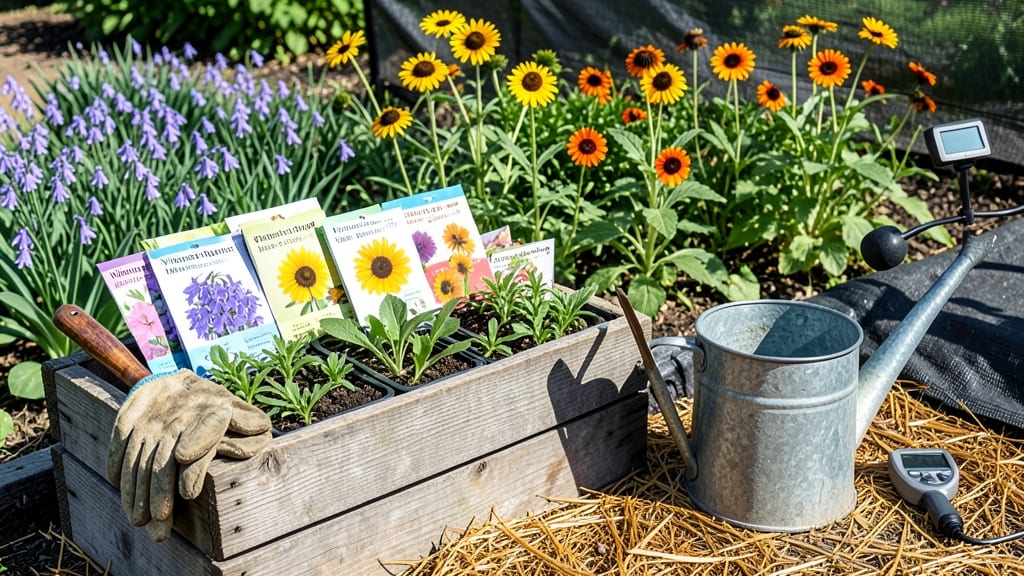
Planting flowers in Virginia at the right time means the difference between a garden bursting with color and one that struggles to take root.
Timing is everything when planting flowers in Virginia—get it wrong, and your blooms might never reach their full potential. With Virginia’s diverse climate zones, knowing the exact planting windows for annuals, perennials, and bulbs can mean the difference between a vibrant garden and a disappointing one.
From the frosty highlands of the Blue Ridge to the warmer Coastal Plain, Virginia’s USDA zones 6a-8a create unique challenges. The average last frost arrives between March 15 and April 15, but that’s just the starting point—soil temperature, local microclimates, and flower types all play a role.
In this guide, I’ll break down the best months to plant for your favorite flowers, whether you’re sowing seeds, transplanting seedlings, or tucking in bulbs. You’ll learn how to align your planting schedule with Virginia’s climate—so your garden thrives from spring to fall.
Virginia planting zones & ideal flower planting months by type
Virginia spans USDA zones 5b through 8a, creating a diverse gardening landscape where timing truly matters. The Piedmont region (6a-7a) typically experiences earlier last frosts than the Coastal Plain (7b-8a), while the Mountains (5b-6b) have shorter growing seasons.
Understanding these zones helps you plant flowers at the optimal time for robust growth and vibrant blooms.
Most Virginia gardeners follow the spring and fall planting rule: March-April for spring bloomers and August-September for fall varieties. However, bulbs like tulips need planting in October-November before the ground freezes.
The key is aligning your planting with local frost dates—Zone 6a averages March 15 for last frost, while Zone 8a may see April 15.
Here’s how to adjust for Virginia’s microclimates:
- Coastal Plain (7b-8a): Warmer winters mean earlier spring planting (as early as February for heat-loving annuals like marigolds).
- Piedmont (6a-7a): Wait until after April 15 for frost-sensitive plants like petunias.
- Mountains (5b-6b): Extend the fall planting window to September 15 to avoid early frosts.
Container flowers add flexibility—you can plant potted annuals like impatiens as late as May 1 in most zones, but perennials still need early spring planting for root establishment. Always check soil temperature (aim for 60°F+) before direct sowing seeds.
🌱
For zone-specific adjustments, remember that elevation matters. A garden at 2,000 feet in the Blue Ridge Mountains (Zone 6a) will have a 2-week later planting window than one at sea level in Norfolk (Zone 8a).
Use the Virginia Cooperative Extension’s frost maps to pinpoint your exact last frost date.
If you’re planting seeds indoors, start 6-8 weeks before your last frost date. For example, in Zone 7a (Richmond), that means February 15 for spring annuals. Transplant seedlings outdoors only after nighttime temperatures stay above 50°F consistently.
🌿
Don’t overlook soil preparation—Virginia’s clay-heavy soils benefit from compost or sand amendments before planting. For container gardens, use a lightweight potting mix to prevent waterlogging. And always mulch around plants to retain moisture and regulate soil temperature.
Pro tip: Mark your calendar for September 1—this is the ideal deadline for planting spring-blooming bulbs in most of Virginia. If you miss it, wait until next fall. For annuals like zinnias, you can even squeeze in a late summer planting (July) for fall color.
✂️
Top 10 flowers to plant in Virginia (with exact timing for each)
Virginia’s diverse climate means some flowers thrive in cool spring while others demand summer heat. Whether you’re planting annuals for instant color or perennials for long-term blooms, timing is critical.
I’ve curated the top 10 Virginia-friendly flowers with their precise planting windows, sun needs, and soil prep secrets to ensure your garden bursts with color.
From cold-hardy bulbs like daffodils to heat-loving annuals like petunias, each flower has a perfect planting window tied to Virginia’s USDA zones 6a-8a. Miss the mark, and you’ll risk frost damage or wilting in summer’s heat.
Let’s dive into the exact months to plant these showstopping blooms for a garden that never disappoints.
- 1
- 2
- 3
- 4
- 5
Plant: March-April (after last frost)
Sun: Full sun (6+ hours)
Soil: Well-draining, average fertility
Plant: March-May or September (spring/fall)
Sun: Full sun to partial shade
Soil: Adaptable, tolerates clay
Plant: April-May (after frost) or start indoors March
Sun: Full sun (6-8 hours)
Soil: Rich, moist, well-draining
Plant: October-November (fall) for spring blooms
Sun: Partial shade to full sun
Soil: Well-draining, tolerates clay
Plant: April-May (after frost) or start indoors March
Sun: Full sun (6+ hours)
Soil: Average, tolerates poor soil
For annuals like petunias and marigolds, I recommend starting seeds indoors 6-8 weeks before the last frost date (typically March 15-April 15 in Virginia).
This gives them a head start before transplanting outdoors once soil temps hit 60°F. Perennials like daylilies are more forgiving—plant them in early spring or fall for root establishment before extreme weather.
Virginia’s clay-heavy soils can be tricky, so I always amend the soil with compost or aged manure before planting. For bulbs like daffodils, focus on fall planting (October-November) to ensure they root deeply before winter.
These hardy bloomers will reward you with early spring color when little else is in bloom.
Heat-sensitive annuals like impatiens (not listed above) should only be planted after Memorial Day to avoid late spring frosts. Meanwhile, drought-tolerant natives like coneflowers thrive when planted in late spring (May) and require minimal watering once established. Always check the back of seed packets for Virginia-specific planting tips!
Pro tip: Use mulch after planting to retain moisture and regulate soil temperature. For container gardens, opt for fast-blooming annuals like geraniums or zinnias and plant them after May 1 to avoid chilly nights.
With these timing tricks, your Virginia garden will flourish from spring to fall.