
Flowers
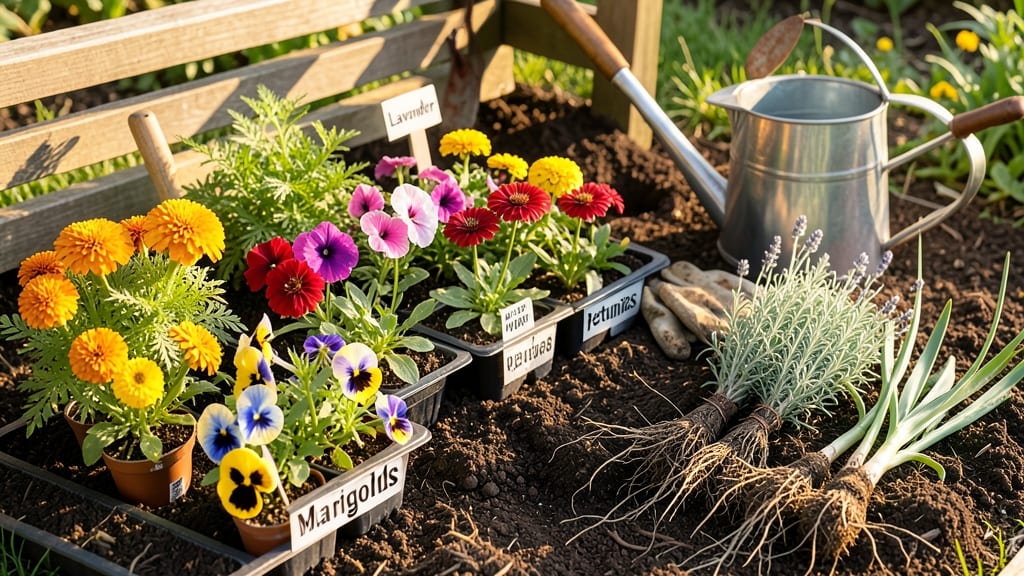
Best flower planting months by USDA climate Zone (with exact dates)
Planting flowers at the right time ensures strong roots, vibrant blooms, and longer-lasting displays. Your USDA climate zone determines the perfect window—whether it's spring bulbs or fall perennials.
Below, I’ve mapped out exact months for Zones 3-11, including frost-sensitive varieties like petunias and cold-hardy favorites such as tulips.
For annuals, timing matters most—plant too early, and frost will kill them; too late, and they’ll bolt in heat. Perennials and bulbs have more flexibility but still need the right cues.
For example, dahlias thrive in Zone 7 when planted after the last frost, while crocuses in Zone 4 need to go in the ground by October.
Use this guide to align your planting with your local climate. Check your last frost date (find it via the USDA Plant Hardiness Zone Map) and adjust by 2-4 weeks for heat-sensitive or slow-starting varieties.
Pro tip: Succession planting in warm zones (like Zone 10) means you can plant marigolds every 6 weeks for continuous blooms!
In Zones 3-4, where winters are harsh, prioritize fall planting for bulbs like daffodils and hyacinths. These need 6-8 weeks to establish roots before frost.
For annuals, wait until soil temperatures hit 50°F (10°C)—use a soil thermometer to check. In Zone 4, this is often late May.
Warmer zones (7-11) offer more flexibility. For example, in Zone 9, you can plant marigolds in February for early blooms or August for fall color. Succession planting is key here: sow cosmos every 4 weeks to avoid gaps.
In Zone 11, treat planting like a year-round task, focusing on heat-tolerant varieties like gaillardia.
Don’t overlook microclimates—a south-facing wall can add 2-4 weeks to your growing season. In Zone 6, for instance, you might plant petunias by April 15 near a brick wall but wait until May 1 in a shady spot.
Always test soil temperature with a soil thermometer—55°F (13°C) is ideal for most seeds.
For bulbs, follow the "plant when leaves yellow" rule. In Zone 5, that means October 1-15 for tulips. In Zone 8, you can plant fall-blooming crocuses as late as November 15.
Pro tip: Chill bulbs in the fridge for 4-6 weeks if planting early in warm zones to mimic winter dormancy.
Adjust for high-altitude gardens (e.g., Denver in Zone 5 feels like Zone 4). Plant 2 weeks later and use black plastic mulch to warm soil faster. Coastal
How to adjust planting times for your local microclimate (and avoid common mistakes)
Your USDA zone gives you a starting point, but your local microclimate determines the real schedule. Urban heat islands can push planting dates 2-4 weeks earlier than rural areas, while high-altitude gardens may need 10-14 days later adjustments.
Even neighboring yards can have wildly different conditions—soil, wind, and shade patterns all play critical roles.
Coastal gardens face salty air and strong winds that dry out soil faster, while inland areas might struggle with compacted clay or poor drainage. These factors force you to tweak planting times, even within the same zip code. Let’s break down how to adapt your schedule without guessing.
⚠️ Warning: Planting Too Early or Too Late
Planting flowers too early risks frost damage or rot from cold soil, while waiting too long can lead to bolting (premature flowering) or pests taking over. For example, marigolds planted after June 15 in Zone 7 may flower poorly due to heat stress. Use these warning signs:
- 🌱 Yellowing leaves = soil too cold or overwatered
- 🌡️ Stunted growth = nighttime temps below 50°F
- 🐛 Pests appearing immediately = plants are stressed from late planting
Pro tip: Use a soil thermometer—most flowers need soil temps between 60-70°F to thrive.
For urban heat islands, start annual flowers 2-3 weeks earlier than your zone’s recommended date. Pavement and buildings trap heat, raising soil temperatures by 5-10°F. Test this by planting cosmos or zinnias in both urban and suburban spots—you’ll likely see 30% faster blooming in the city.
High-altitude gardens (3,000+ feet) often have shorter growing seasons, so opt for cold-hardy varieties like black-eyed Susans or Russian sage. Extend your season by planting succession crops every 2-3 weeks instead of one big batch.
For example, sow pansies in late August for fall color, then repeat in October for winter interest.
Coastal gardens battle salty winds and sandy soil, which dry out quickly. Choose drought-tolerant flowers like lavender or yarrow, and plant them 1 week later than inland schedules.
Mulch heavily with pine needles to retain moisture, and avoid planting near salt-sprayed areas—even 100 feet inland can make a difference.
Soil type is your final puzzle piece. Clay soil stays cold longer, delaying planting by 1-2 weeks, while sandy soil warms up faster, letting you start earlier. Amend clay with compost or peat moss to improve drainage, and test pH—most flowers prefer 6.0-7.0.
If your soil is too acidic, add lime 4-6 weeks before planting.