
Flowers
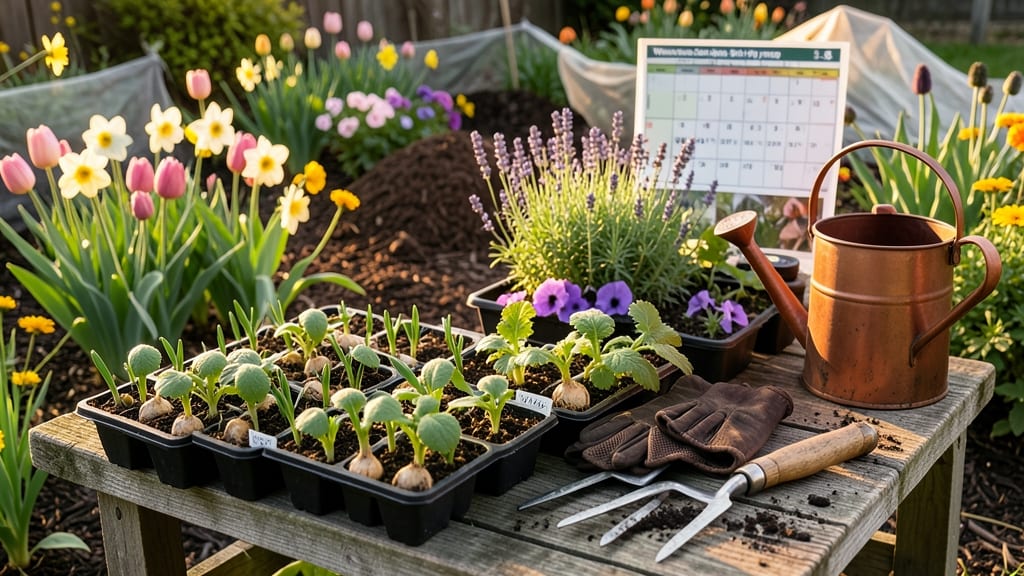
To plant flowers in Washington State at the right time means timing your garden for vibrant blooms that last all season — and missing the window can leave you with wilted dreams before they even sprout.
Washington State’s diverse climate—from coastal rain to inland dry heat—means planting flowers at the wrong time can mean wilted dreams before they even bloom. Get the exact planting schedule tailored to your zone to ensure vibrant, long-lasting flowers all season long.
Whether you’re in the Puget Sound’s milder Zone 8 or Spokane’s colder Zone 6, the key is knowing when to start seeds indoors, when to set out tender annuals, and how to stretch the season with row covers or cold frames.
Inside, you’ll find a zone-by-zone planting calendar, the best flowers for each season, and common mistakes to avoid—so your garden thrives from spring through fall.
Washington State flower planting calendar by USDA Zone (exact months for success)
Washington State spans USDA Zones 6-8, but microclimates create dramatic differences between Puget Sound (cooler, wetter) and Eastern WA (warmer, drier).
For example, Spokane’s last frost often arrives 2-3 weeks earlier than Seattle’s. Timing is everything—plant cool-season flowers like pansies in early spring or late summer for fall blooms, while warm-season varieties like zinnias need to wait until soil warms to 55°F.
Use this zone-specific calendar to align planting with Washington’s frost dates:
- Zone 6 (Eastern WA): Last frost April 15–May 1, first frost October 15–November 1
- Zone 7 (Central WA): Last frost May 1–May 15, first frost October 1–October 15
- Zone 8 (Puget Sound): Last frost May 15–June 1, first frost October 15–November 15
Adjust for elevation—mountain gardens may need 2–4 weeks later for warm-season plants.
Here’s your month-by-month planting guide, tailored to Washington’s three key regions:
For Puget Sound gardeners, prioritize late-May plantings of warm-season flowers
Best flowers to plant in Washington State by season (cool vs. warm-loving varieties)
Washington State’s varied climate means some flowers thrive in cool, damp springs while others need summer’s warmth to bloom. Cool-season flowers like lupines and sweet peas handle early planting, while warm-season favorites like zinnias and marigolds wait for soil to heat up.
Let’s match your blooms to the season for maximum impact.
For spring blooms, focus on hardy perennials that tolerate chilly nights. Fall-blooming varieties like asters and chrysanthemums love cooler temps, while summer’s heat-lovers need full sun and consistent water. Your zone matters—Puget Sound’s mild winters let you extend seasons, but Eastern WA’s dry heat demands drought-tolerant picks.
- Lupines - Thrives in Zone 6-8, drought-tolerant once established
- Sweet Peas - Needs trellis support, blooms in cool weather
- Hardy Geraniums - Perennial, low-maintenance, loves sun
- Daffodils - Plant bulbs in fall for spring blooms, deer-resistant
- Zinnias - Heat-loving annual, attracts butterflies, drought-tolerant
- Marigolds - Pest-repellent, thrives in full sun, great for borders
- Sunflowers - Fast-growing, needs deep watering, tall varieties for screens
- Cosmos - Self-seeding, drought-resistant, airy blooms
- Asters - Late-season bloomer, pollinator magnet, thrives in cool temps
- Chrysanthemums - Versatile colors, cut-flower favorite, loves morning sun
- Pansies - Cold-hardy annual, edible flowers, blooms all winter in mild zones
- Calendula - Healing properties, self-seeds easily, bright orange blooms
My top pro tip: Use mulch to regulate soil temps—straw for summer keeps roots cool, while dark mulch in fall warms soil for early spring planting. For Puget Sound gardeners, extend seasons with row covers or cold frames to protect tender blooms.
Native Washington wildflowers like penstemon and paintbrush are low-maintenance and support local ecosystems. Mix them with your seasonal picks for year-round color. Deadhead spent blooms regularly to encourage continuous flowering—especially for annuals like zinnias.
Remember: Soil prep is key. Amend clay-heavy soils (common in Western WA) with compost, while sandy soils (Eastern WA) benefit from organic matter to retain moisture. Test your soil’s pH—most flowers prefer 6.0-7.0, but blueberries and rhododendrons need acidic soil.