
Flowers
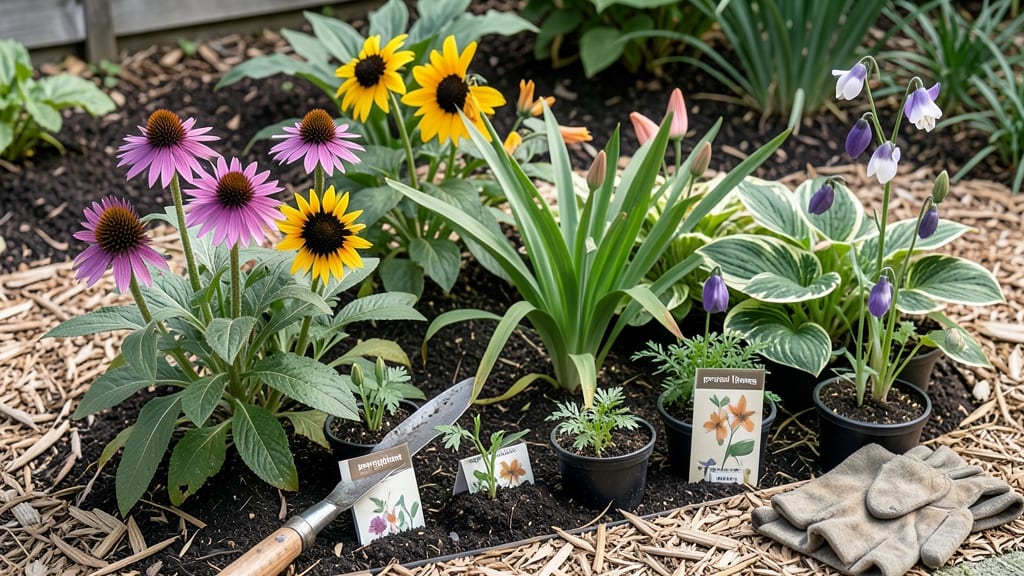
Planting flowers in Wisconsin at the right time means the difference between a garden that bursts into color and one that struggles through a short, unpredictable season.
Wisconsin’s unpredictable spring weather can make timing your flower planting a real challenge—but getting it right means vibrant blooms all season long. Avoid common mistakes and learn the exact window for planting annuals, perennials, and bulbs based on your Wisconsin hardiness zone.
With USDA zones ranging from 4a to 6b, the average last frost date lands around April 15, but regional variations mean you could be weeks off in northern Wisconsin.
Whether you’re in Milwaukee or Green Bay, knowing when to plant ensures your 🌸 flowers thrive from spring through fall.
Below, I break down the best planting windows for your zone, the top flowers that perform well in Wisconsin’s climate, and 5 pro tips to extend your growing season—so you can enjoy blooms from May through October without the frost damage.
Wisconsin last-frost dates by Zone: critical planting timelines
Timing your flower planting in Wisconsin is all about understanding your USDA hardiness zone and local last-frost dates. With zones ranging from 3a to 5b, your planting window can shift by weeks—especially between northern areas like Green Bay (Zone 4b) and southern cities like Milwaukee (Zone 5b).
Using data from the Wisconsin State Climatology Office, I’ve broken down the critical dates you need to know for annuals, perennials, and bulbs to avoid frost damage and maximize blooms.
For Zone 3 (northwest Wisconsin), the average last frost date arrives around May 10-15, while Zone 5 (southeast Wisconsin) sees frost-free conditions by April 25-May 5. These dates mark the transition from early spring planting (hardy perennials and bulbs) to late spring planting (frost-sensitive annuals).
Missing these windows can mean lost blooms or stunted growth, so let’s dive into the specifics for your zone.
| Zone | Last Frost Date | Early Spring Planting (Bulbs/Perennials) | Late Spring Planting (Annuals) | Fall Planting Window |
|---|---|---|---|---|
| Zone 3a (e.g., Hayward) | May 10-15 | March 15-April 15 (hardy perennials only) | May 20-June 1 (after soil warms) | August 15-September 10 |
| Zone 4a (e.g., Green Bay) | May 1-10 | March 20-April 30 (tender bulbs) | May 10-May 25 | August 1-September 15 |
| Zone 4b (e.g., Madison) | April 25-May 5 | March 25-April 20 (most perennials) | May 1-May 15 | August 10-September 20 |
| Zone 5a (e.g., Milwaukee) | April 15-25 | March 15-April 15 (all perennials) | April 25-May 10 | August 1-September 15 |
| Zone 5b (e.g., Kenosha) | April 10-20 | March 1-April 10 (early bulbs) | April 15-April 30 | July 30-September 10 |
In Zone 3, where frost lingers late, focus on cold-hardy perennials like coneflowers and black-eyed Susans for early spring planting (March-April). These tough plants can handle late frosts and often bloom by early summer.
For annuals like marigolds or zinnias, wait until after May 20—planting too early risks frost damage to tender seedlings.
If you’re in Zone 5 (southeast Wisconsin), you’ve got a head start! You can plant tender bulbs like dahlias or cannas as early as March 15 in protected spots, but hold off on frost-sensitive annuals until April 15.
Pro tip: Use row covers to extend your planting window by 2-3 weeks in cooler zones.
For fall planting, aim to get cool-season annuals like pansies or snapdragons in the ground by August 15 in northern zones or July 30 in southern zones. These flowers thrive in cooler weather and often bloom until first frost.
Perennials like asters can handle planting until September 15, giving you a second flush of color before winter.
Regional variations matter! For example, Green Bay (Zone 4a) might see frost until May 10, while Milwaukee (Zone 5b) could be frost-free by April 15.
Check your local microclimate—valleys and low-lying areas often frost later than hilltops. Use a frost-free date calculator or observe your neighbors’ gardens to fine-tune your timing.
One common mistake? Planting warm-season annuals like petunias or geraniums too early. These need consistent warmth to thrive—plant them after soil reaches 60°F (15°C), usually late May in northern Wisconsin. For bulbs like tulips or daffodils, plant in fall (September-October) so they establish roots before winter.
To track your local frost dates, bookmark the
Best flowers to plant by Wisconsin season: heat tolerance & frost sensitivity guide
Wisconsin’s short growing season and variable frost dates demand smart flower choices. Some blooms thrive in cool springs, while others need summer heat to flourish. I’ve tested these varieties in my Zone 4b garden—here’s what works best for your region.
For spring planting, prioritize cold-hardy perennials like coneflowers and black-eyed Susans, which tolerate late frosts and dry spells. Annuals like marigolds and zinnias love summer heat but need after-frost planting to avoid damage.
Planting Flowers in Wisconsin: Pros & Cons
Spring Planting
Pros:
- Longer bloom time for perennials
- Established roots before summer heat
Cons: - Risk of frost if planted too early
- Competition with weeds in wet springs
Fall Planting
Pros:
- Early spring blooms next year
- Cooler soil temps reduce transplant shock
Cons: - Limited variety of frost-tender annuals
- Disease risk in damp autumns
Heat-Loving Annuals
Best For:
- Zinnias (drought-tolerant)
- Marigolds (pest-repellent)
Plant After: - May 15 (Zone 4)
- May 1 (Zone 5)
Cold-Hardy Perennials
Best For:
- Coneflowers (drought-resistant)
- Black-eyed Susans (long bloom)
Plant In: - Spring or fall (Zone 4-5)
- Well-draining soil only
My Zone 5 garden gets 120 frost-free days, so I plant heat-loving annuals like sunflowers and cosmos after Memorial Day. For fall color, I opt for mums and asters, which handle early October frosts better than tender varieties.
Pro tip: Use row covers to extend your spring planting window by 2-3 weeks. I’ve successfully planted petunias in early April under frost cloth—they bloomed by Memorial Day! Just remove covers when temps hit 50°F consistently.
For drought-prone summers, choose native Wisconsin flowers like purple coneflower or butterfly weed. These thrive on rainwater alone once established, saving you weekly watering during July heatwaves.
Remember: Fall planting gives perennials a head start for next year. I divide daylilies in early September—they rebloom bigger the following season. Just avoid planting tender bulbs like dahlias until after Labor Day.
Start with these top 5 Wisconsin winners: black-eyed Susans, bee balm, shasta daisies, coreopsis, and Russian sage. All handle our humid summers and freezing winters with ease. Happy planting!