
Flowers
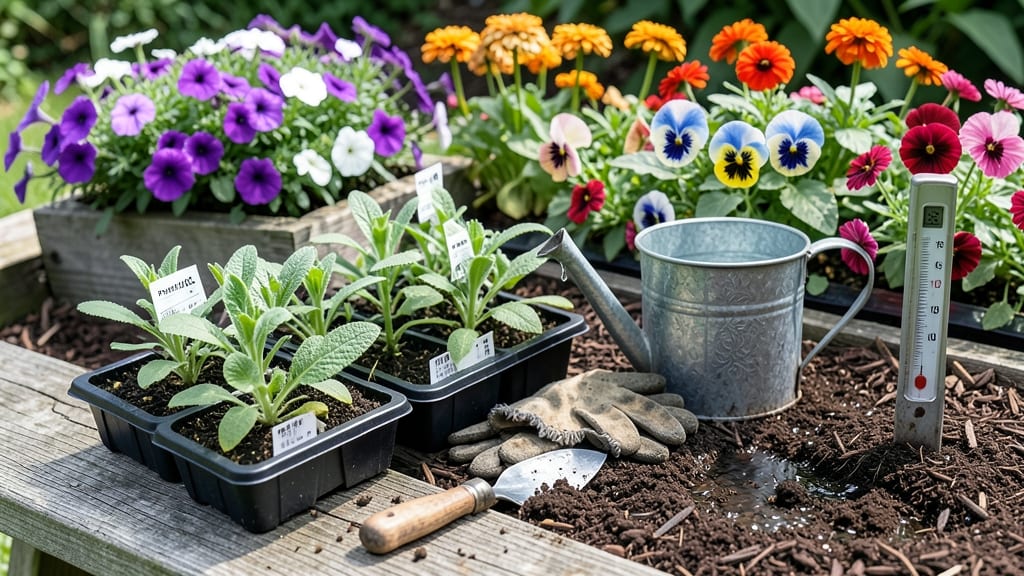
Planting flowers in Zone 6 at the right time ensures vibrant blooms all season long 🌸 — timing is everything, especially with frost dates that shift from mid-April to early May.
Timing your flower planting in Zone 6 can mean the difference between vibrant blooms and wasted effort—get it wrong, and your garden could miss peak beauty entirely. Whether you're sowing cool-season annuals or hardy perennials, knowing when to start is the key to a thriving garden.
Spring planting kicks off after your last frost, but not all flowers play by the same rules. Heat-loving annuals like zinnias need to wait until soil temperatures hit 60°F, while cool-season favorites like pansies can handle early spring chill.
Bulbs, on the other hand, go in the ground 6-8 weeks before the first frost—typically late summer or early fall.
Below, I break down the exact months for planting annuals, perennials, and bulbs in Zone 6, plus pro tips for adjusting to microclimates and extending your blooming season. Ready to transform your garden?
Zone 6 flower planting calendar: exact months for annuals, perennials, and bulbs
Getting your flower planting timing right in Zone 6 means the difference between a garden bursting with color and one that struggles to take hold.
With last frost dates ranging from mid-April to early May and first frost arriving between mid-October and early November, you’ve got a narrow window for some varieties.
Cool-season flowers thrive when planted 4-6 weeks before last frost, while warm-season beauties need to wait until soil warms to 60°F or above. Let’s break down the exact months for each type so you never miss a beat.
For cool-season annuals like pansies and snapdragons, the best time to plant is March through early April. These hardy flowers can handle light frosts and often bloom within 6-8 weeks of planting.
Meanwhile, perennials like coneflowers and black-eyed Susans should go in the ground early spring or fall—either March-April or September-October—to establish strong roots before winter.
Bulbs, such as tulips and daffodils, need to be planted 6-8 weeks before the first frost, typically in September or early October.
| Month | Plant Type | Best Varieties | Key Notes |
|---|---|---|---|
| March | Cool-Season Annuals | Pansies, Snapdragons, Sweet Alyssum | Plant 4-6 weeks before last frost; tolerates light frost. |
| April | Perennials | Coneflowers, Black-Eyed Susans, Lavender | Wait until soil warms to 50°F; avoid late frost. |
| May | Warm-Season Annuals | Marigolds, Zinnias, Petunias | Plant after last frost; soil must be 60°F+. |
| June | Bulbs (Late Bloomers) | Dahlias, Gladiolus | Plant after frost risk passes; stake tall varieties. |
| September | Bulbs | Tulips, Daffodils, Crocus | Plant 6-8 weeks before first frost; well-draining soil. |
| October | Fall Annuals | Calendula, Stock, Sweet Peas | Plant 4-6 weeks before first frost; thrives in cool weather. |
If you’re planting warm-season annuals like marigolds or zinnias, hold off until after the last frost, usually mid-May. These heat-lovers need consistent warmth to germinate and flourish, so rushing them can stunt their growth.
For perennials, a second planting window opens in late summer (August) for varieties like black-eyed Susans or sedum, which benefit from establishing roots before winter. Just be sure to water them deeply to help them through dry spells.
Don’t overlook fall planting—it’s a gardener’s secret weapon for early spring blooms. Plant spring-blooming bulbs like tulips and daffodils in September or early October so they have time to root before the ground freezes.
Even cool-season annuals like calendula and stock can be sown in late summer or early fall for winter color. These plants often bloom earlier in spring because they’ve already established roots.
One of the biggest mistakes gardeners make in Zone 6 is planting heat-sensitive annuals too early. Petunias and geraniums, for example, will bolt or rot if planted before the soil warms.
Always check your local frost dates and monitor soil temperatures with a soil thermometer—aim for 60°F or higher for warm-season plants. If you’re unsure, start seeds indoors 6-8 weeks before the last frost to give them a head start.
For perennials, timing matters less but still plays a role. Planting in early spring gives them a full growing season to establish, while fall planting helps them avoid summer heat stress.
If you’re dividing perennials, like daylilies or hostas, do it in early spring or fall when the weather is mild. Avoid transplanting during peak summer heat, as
Best flowers to plant in Zone 6 by season (with survival tips)
Zone 6 offers a perfect balance for gardeners—cool springs, warm summers, and crisp falls—making it ideal for a diverse flower palette. But timing is everything! Plant too early, and frost will strike; too late, and your blooms may struggle in extreme heat.
My top picks thrive when planted at just the right moment, ensuring long-lasting color and minimal stress.
Spring is for cool-loving annuals and hardy perennials, while summer demands heat-tolerant varieties. Fall planting lets you sneak in bulbs and biennials before winter, and even winter isn’t wasted with evergreen bloomers. Let’s dive into the seasonal winners and how to keep them thriving.
🌱 Seasonal Planting Guide for Zone 6 Flowers
- 🌸 Spring (March–May)
- ☀️ Summer (June–August)
- 🍂 Fall (September–October)
- ❄️ Winter (November–February)
Best for: Cool-season annuals, perennials, and spring-blooming bulbs
Top picks: Pansies, Sweet Alyssum, Daffodils, Bleeding Heart
Pro tip: Wait until after last frost (mid-April–early May) for tender annuals.
Best for: Heat-loving annuals and drought-tolerant perennials
Top picks: Zinnias, Marigolds, Lantana, Black-Eyed Susans
Pro tip: Mulch to retain moisture and protect roots from intense sun.
Best for: Bulbs, biennials, and cool-season veggie flowers
Top picks: Tulips, Calendula, Stock, Chrysanthemums
Pro tip: Plant 6–8 weeks before first frost (mid-October) for spring blooms.
Best for: Evergreen perennials and winter interest
Top picks: Hellebores, Winter Aconite, Snowdrops, Ornamental Grasses
Pro tip: Mulch heavily to protect roots from freezing temps.
For spring planting, focus on cool-season heroes like Pansies and Sweet Alyssum. These frost-tolerant stars handle early-season chill and rebloom until summer. Plant them 4–6 weeks before last frost (early March) for continuous color.
My trick? Start seeds indoors in February to get a jump on the season.
Summer calls for sun-worshippers like Zinnias and Lantana, which thrive in Zone 6’s heat. These drought-resistant darlings need well-draining soil and regular deadheading to keep blooming. I always water deeply at the base in the early morning to prevent fungal issues from evening humidity.
Fall is bulb planting season—don’t miss it! Tulips and Daffodils need 6–8 weeks of cool soil before winter to root properly. Aim for late September to early October, and amend soil with compost for stronger stems.
Pro move: Mark their locations so you remember where next spring’s surprises will pop up!
Even winter has stunners like Hellebores, which bloom in shade when most gardens are asleep. These evergreen perennials need minimal care—just mulch around the base to insulate roots. Pair them with ornamental grasses for year-round texture and movement in the breeze.
Remember: Zone 6’s microclimates vary. Urban areas stay warmer, while rural spots can drop faster. Always check your local frost dates and adjust planting windows by 1–2 weeks if needed. With these seasonal secrets, your garden will burst with color from spring to frost!