
Flowers
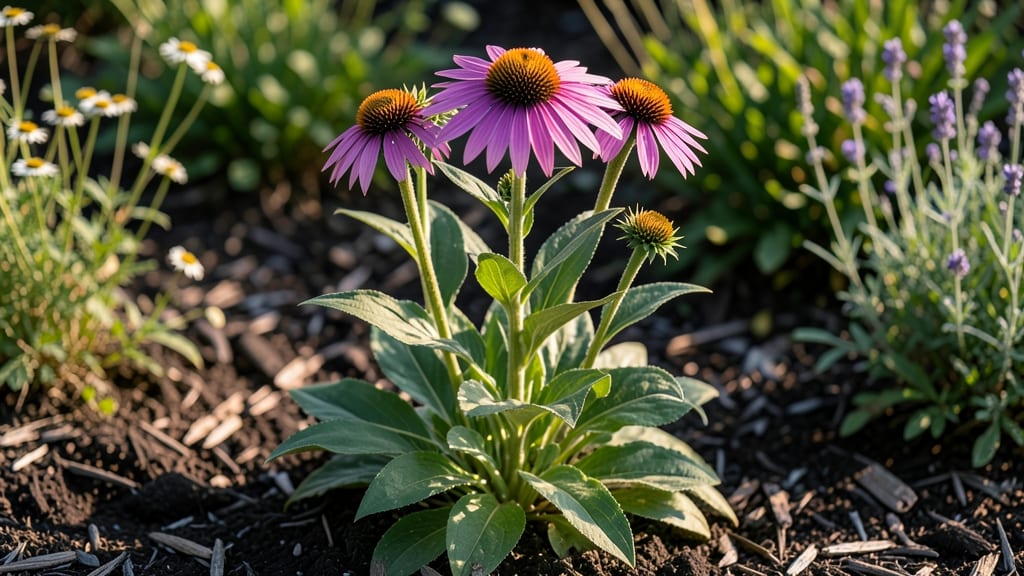
Wildflowers can be annuals or perennials, but their lifespan depends on the species and climate — and knowing the difference is the key to planning a garden that blooms year after year.
Picture this: you plant a patch of vibrant 🌼 wildflowers in spring, only to watch them fade by summer. Or imagine those same seeds returning stronger every year, their colors deepening with each season.
The truth is, some wildflowers follow a one-and-done life cycle, while others thrive for decades with the right care.
Annual wildflowers, like cosmos and zinnias, complete their entire life cycle in a single growing season, offering quick bursts of color but requiring replanting. Perennials, such as coneflowers and black-eyed Susans, come back stronger each year, making them a low-maintenance investment for long-term beauty.
Below, I’ll break down the lifespan secrets of wildflowers, help you choose the right mix for your garden, and share tips for keeping them blooming beautifully—whether you want fleeting brilliance or lasting charm.
Wildflower life cycles explained: annual vs perennial differences
Understanding whether wildflowers are annuals or perennials changes how you plan your garden. Annuals complete their life cycle in one growing season, while perennials return year after year.
This distinction impacts everything from planting schedules to maintenance efforts. Let me break down the key differences so you can make informed choices for your landscape.
The core difference lies in their root systems and reproductive strategies. Annuals focus energy on rapid growth and seed production, while perennials invest in deep roots and persistent foliage. Climate plays a huge role—some wildflowers act as annuals in cold regions but perennials in warmer zones.
For example, cosmos thrives as an annual in most U.S. gardens but may behave differently in Southern California's mild winters.
Annual wildflowers like cosmos and zinnias offer quick, vibrant color but require yearly replanting. Their seeds germinate quickly, and plants grow aggressively to produce flowers and seeds before winter.
This makes them perfect for seasonal displays or filling gaps in perennial gardens. The trade-off? You'll need to replant each spring or fall, depending on your climate.
Perennial wildflowers such as echinacea (coneflower) and rudbeckia develop deep root systems that store energy for future growth. They often bloom for multiple weeks each season and return stronger year after year.
Many perennials also attract pollinators consistently, making them excellent for wildlife gardens. The initial establishment period may take 1-2 years, but their long-term benefits outweigh the wait.
Climate plays a surprising role in wildflower classification. Some species, like blanket flower (gaillardia), act as annuals in northern climates but perennials in warmer regions. This happens because their roots can't survive freezing temperatures.
Always check your USDA hardiness zone when selecting wildflowers. For example, California poppies thrive as perennials in Zone 7 but may behave as annuals in Zone 4.
Another key difference is their seed production strategy. Annuals produce thousands of seeds to ensure survival, while perennials often rely on established roots to regrow. This affects how you can propagate them.
Annuals are easy to grow from seed each year, while perennials may be better established by dividing mature plants or purchasing transplants. For budget-friendly gardens, annuals win, but perennials offer long-term savings.
When planning your garden, consider mixing both types for year-round interest. Use annuals like marigolds to fill summer gaps between perennial blooms. Plant perennials like bee balm in shaded areas where annuals struggle.
This layered approach creates a dynamic landscape that changes with each season while minimizing maintenance. The key is understanding each plant's natural life cycle and matching it to your garden's conditions.
For gardeners in drought-prone areas, perennial wildflowers often excel due to their deep roots. Species like yarrow and purple coneflower thrive with minimal water once established.
Annuals may require more frequent watering to establish before they set seed. Always consider your local rainfall patterns when choosing between the two types.
One common misconception is that all wildflowers are perennials. In reality, about 60% of common wildflowers are annuals, while the rest span biennials and perennials. This diversity lets you create gardens that bloom continuously from spring through fall.
For example, plant snapdragons (annual) in early spring, followed by black-eyed Susans (perennial) for summer, and finish with asters (perennial) in fall.
To maximize your wildflower garden's success, start with a 50/50 mix of annuals and perennials. This balance gives you immediate color from annuals while building a sustainable base with perennials. Always research each variety's specific needs—some perennials need full sun, while others tolerate partial shade.
The right combination will give you a garden that's both beautiful and low-maintenance over time.
Top 10 wildflowers ranked by lifespan for gardeners
Choosing wildflowers isn't just about color—it's about knowing their lifespan. Annuals like cosmos and zinnia burst into bloom for one season, while perennials like black-eyed Susan return year after year.
Some wildflowers even behave as biennials, blooming in their second year. Let's explore the top 10 wildflowers ranked by lifespan to help you plan your garden for maximum impact.
Understanding whether a wildflower is an annual or perennial helps you decide between quick seasonal color or long-term investment. Annuals offer instant gratification, while perennials provide year-round structure and self-seeding benefits. Here's how they compare with our top picks:
Let's start with annual wildflowers, the stars of one-season gardens. Cosmos and marigolds thrive in full sun and bloom from summer until frost. Their fast growth makes them perfect for filling gaps or creating instant meadows. Plant them in spring or early summer for continuous color until fall.
Next, biennial wildflowers like foxglove and hollyhock take two years to complete their life cycle. They focus on foliage growth in year one and produce stunning blooms in year two. These are ideal for