
Plants
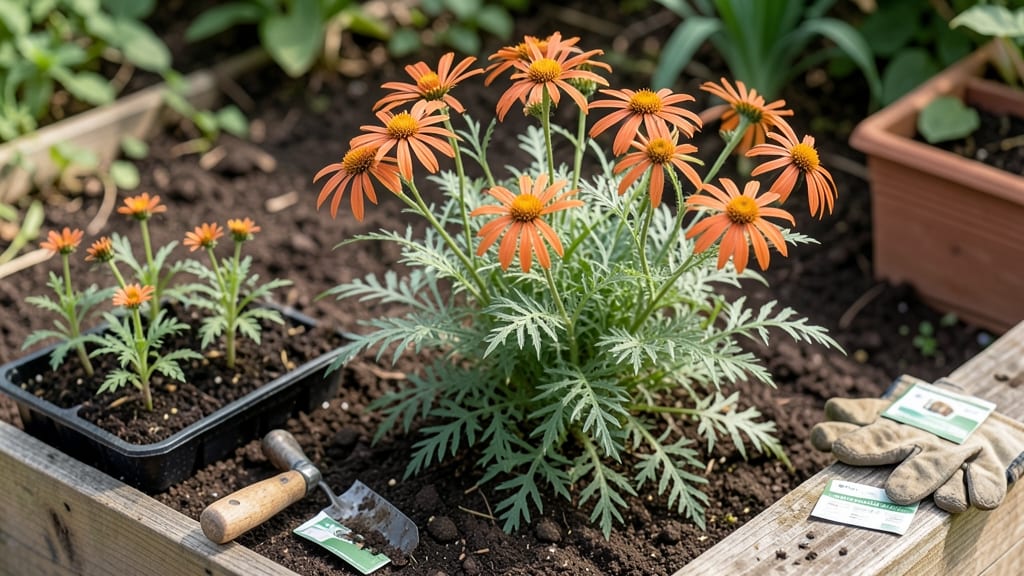
Plant strawflower seeds after your last frost date in spring — around April for most of the U.S. — to catch the full summer-to-fall bloom season.
Miss that window, and you might end up with leggy, weak plants that never reach their bright, papery-bloom potential. Strawflowers (🌼 Helichrysum bracteatum) thrive on timing, and getting it right means vibrant color from July through September.
Whether you're in USDA Zone 6a or a warmer region, the key is waiting for soil to warm and frost risk to vanish. Below, I break down the exact month-by-month schedule by zone, plus soil prep tricks to ensure your seeds germinate strong.
You’ll also discover how to extend blooms by staggering plantings and avoiding the three biggest mistakes that kill germination before it starts.
USDA zone planting timeline for strawflower seeds by region
Timing your strawflower seeds correctly ensures vibrant blooms all season long. Since strawflowers (Helichrysum bracteatum) thrive in warm conditions, knowing your USDA zone and last frost date is key. Plant too early, and frost will damage seedlings; too late, and you'll miss peak blooming.
Let's break down the perfect planting windows for each zone to help you grow these drought-tolerant beauties successfully.
Strawflowers need soil temperatures of at least 60°F (15°C) for germination. In colder zones, start seeds indoors 6-8 weeks before your last frost date. Warmer zones can direct-sow after April 15, but always confirm your local frost-free date. Below, you'll find a month-by-month planting guide tailored to your region.
In USDA zones 3-4, where winters are harsh, start seeds indoors under grow lights to give them a head start. Transplant outdoors only after the soil temperature consistently stays above 60°F (15°C).
Use black plastic mulch to warm the soil faster if needed. In these colder regions, strawflowers may only bloom once per season, so plan accordingly.
Gardeners in zones 5-6 have the most flexibility. Sow seeds directly after your last frost date, typically around April 15. For extended blooms, make a second planting in early June.
These zones benefit from succession planting to enjoy strawflowers from summer through fall. Always choose a sunny spot with at least 6-8 hours of sunlight daily.
Warmer zones 7-8 can start planting as early as mid-February, but wait until March 15 to avoid frost damage. For continuous color, sow a second batch in June—these late plantings will bloom in fall.
In these regions, strawflowers are perennial in mild winters, so they may return year after year if left undisturbed.
In zones 9-11, frost is rarely a concern, so you can plant strawflower seeds almost anytime. For spring blooms, sow in winter, and for fall color, plant in summer.
These zones offer the longest growing season, allowing for year-round plantings with proper care. In desert climates, water deeply but infrequently to encourage strong root growth.
No matter your zone, always plant strawflower seeds ¼ inch deep in well-draining soil. Space seeds 12-18 inches apart to allow airflow and prevent disease. After germination, thin seedlings to the strongest 6-8 inches apart for optimal growth. Mulch around plants to retain moisture and suppress weeds.
Pro tip: Strawflowers are self-cleaning, meaning they don’t require deadheading. Once blooms fade, they dry beautifully and can be used in long-lasting floral arrangements. This makes them perfect for <
How to extend strawflower blooms with strategic planting times
Strawflowers (Helichrysum bracteatum) are famous for their long-lasting blooms that stay vibrant even after drying—but their seasonal lifespan can feel short if you plant them all at once. The secret to continuous color lies in staggered planting and smart succession techniques.
By spacing out your plantings, you'll enjoy bright blooms from midsummer through frost, plus dried flowers that last for months indoors.
My favorite method is succession sowing, where I plant new seeds every 3-4 weeks during the growing season. This creates a rolling bloom display as each batch reaches maturity.
For example, if your first planting blooms in July, a second batch in late June will peak in August, and a third in early July will shine in September. The key is understanding your local frost dates and adjusting timing accordingly.
- 1 First Planting: April 15-May 1 (after last frost). Aim for 60-75 days before your first fall frost to ensure blooms before cold sets in.
- 2 Second Planting: May 15-June 1. This batch will bloom when the first flowers start fading, creating a seamless transition of color.
- 3 Third Planting: June 15-July 1. Perfect for late-summer color, especially if you're in USDA zones 7-11 with longer growing seasons.
- 4 Post-Bloom Care: Once flowers fade, cut stems back to encourage new growth. The dried blooms make excellent long-lasting arrangements—simply hang them upside down in a dry, dark place for 2-3 weeks.
For cooler climates (USDA zones 3-6), focus on early spring plantings and consider starting seeds indoors 6-8 weeks before your last frost date.
In warmer zones (7-11), you can extend plantings into early August for fall blooms, but avoid sowing after 90 days before frost—the plants won't mature enough to flower.
Pro tip: Mark your planting dates on a garden calendar to track bloom times. I use colored flags for each batch—red for early, yellow for mid-season, and green for late plantings.
This visual reminder helps me plan for continuous color and prevents overcrowding as new batches emerge.
Don't forget to preserve your dried strawflowers for winter arrangements! After blooms fade, harvest stems when they're completely dry and papery. Bundle them and hang upside down in a dark, well-ventilated space for 2-3 weeks. The result? Vibrant, long-lasting blooms that brighten up holiday decor and winter bouquets.
With these strategic planting times, your garden will stay bursting with color from midsummer through frost, and you'll have dried flowers ready for year-round enjoyment. The secret is patience and planning—but the payoff is worth it!