
Plants
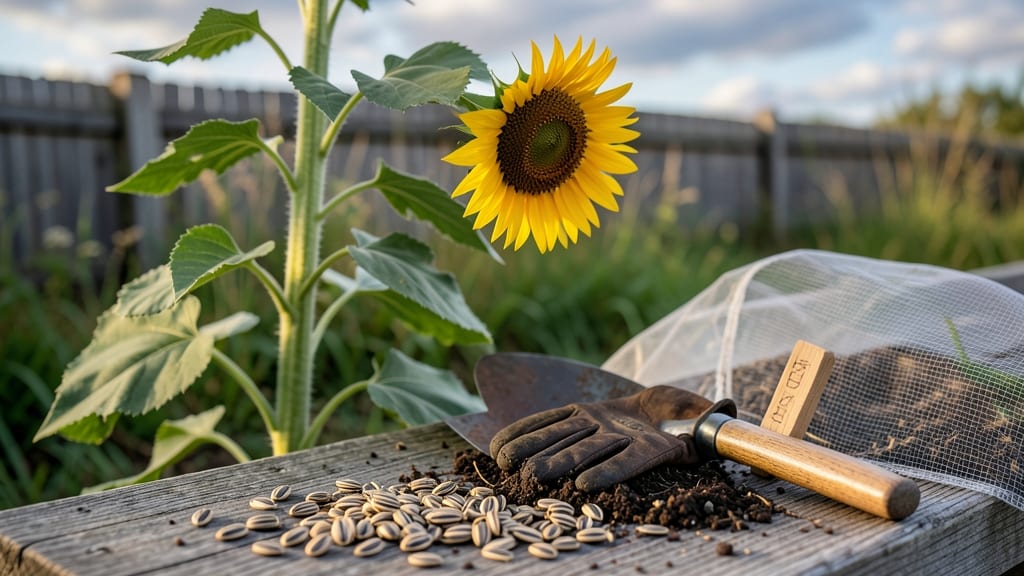
To plant sunflower seeds in Oregon, aim for mid-April to early June after the last frost—when soil temperatures hit 50-60°F for fast germination.
Sunflowers thrive in Oregon’s climate—but planting them at the wrong time can mean slow germination or stunted growth. Timing isn’t just about the calendar; it’s about soil temperature, frost dates, and sunflower varieties that match Oregon’s unique microclimates.
Coastal regions like Portland have later frost dates than inland areas like Bend, so adjust your schedule accordingly. The key is fast growth before summer heat sets in, which is why soil temperature is the real trigger, not just the date on the calendar.
Below, I’ll break down the exact soil temp tests, the best sunflower varieties for Oregon’s zones, and how to extend your planting window with simple tricks like row covers.
Oregon’s sunflower planting window: soil temperature triggers for germination
Sunflowers in Oregon need consistent warmth to germinate properly, and timing your planting around soil temperature thresholds makes all the difference. Unlike calendar-based planting guides, Oregon’s USDA zones 6-9 mean coastal areas (like Astoria) and inland regions (like Bend) have different ideal windows.
The key? Waiting until the soil reaches 50-60°F—this triggers those first critical sprouts.
Most Oregon gardeners aim for mid-April to early June, but this varies by microclimate. Coastal areas with cooler, wetter soils may need to wait until late April, while inland zones like Bend or Pendleton can plant as early as mid-April.
The last frost date isn’t the only factor—soil warmth is just as critical for sunflower success.
Here’s a quick reference for Oregon’s planting zones and their ideal soil conditions:
| Region | USDA Zone | Last Frost Date | Ideal Planting Window | Soil Temp for Germination |
|---|---|---|---|---|
| Coastal (Astoria, Seaside) | 8a-9a | Late April | Late April–May 15 | 55-60°F |
| Willamette Valley (Portland, Salem) | 7b-8a | April 10–20 | Early April–June 1 | 50-58°F |
| Inland (Bend, Redmond) | 6b-7a | Mid-April | Mid-April–May 10 | 50-55°F |
| Southern Oregon (Medford, Ashland) | 8a-8b | April 20–May 1 | Late March–June 15 | 52-60°F |
To test if your soil is ready, use a soil thermometer—insert it 2-3 inches deep and wait 10 minutes for an accurate reading. If you don’t have one, try the moisture test: Dig a small hole, add water, and cover it with plastic.
Check the next day—if the soil feels warm to the touch, it’s likely ready for planting.
Another trick? Watch for leaf emergence in nearby perennials like dandelions or clover. When their leaves start unfurling, your soil is probably warm enough for sunflowers. This natural cue aligns with Oregon’s spring warming trends and avoids the risk of cold-soil shock, which can delay germination by weeks.
If you’re in a cooler microclimate (like the coast), consider starting seeds indoors under grow lights 4-6 weeks before your target outdoor date. Transplant seedlings when nighttime temps stay above 45°F—this gives them a head start on the season.
For inland areas, direct sowing after the last frost works perfectly, as the soil warms faster.
One common mistake? Planting too early in high-elevation areas like the Cascade foothills. Even if the calendar says “spring,” soil temps may still be too cool. Use a black plastic mulch to warm the soil by 5-10°F if needed—this is a game-changer for slow-warming zones like Mount Hood’s lower slopes.
Remember, sunflowers are fast growers—once they sprout, they’ll bolt to flower in as little as 60-90 days. But without the right soil temp, you’ll end up with leggy, weak stems or worse, no germination at all.
Timing isn’t just about the calendar; it’s about giving your sunflowers the warmth they crave from day one.
🌱
Best sunflower varieties for Oregon’s climate and their planting schedules
Oregon’s diverse climate—from coastal fog to inland heat—means not all sunflowers thrive equally. Coastal areas like Astoria have cooler, wetter springs, while Bend and Medford experience earlier soil warming.
Choosing the right variety ensures vigorous growth and bountiful blooms before Oregon’s first frost (typically mid-October inland, later on the coast).
For Portland gardeners, aim for mid-April to early May planting, while inland regions like Bend can start as early as late March. Coastal areas may need to wait until late April to avoid chilly soil delays.
Let’s explore the top 4 sunflower types that excel in Oregon, along with their frost tolerance and ideal planting windows.
Giant sunflowers like ‘Mammoth’ (10-14 ft) need longer growing seasons and are best suited for inland Oregon’s warmer zones (USDA 7b-9a). Plant these late April to early May for maximum height before frost. Their lower drought tolerance means consistent watering, especially in Portland’s dry summers.
For snack-sized sunflowers like ‘Teddy Bear’ (3-5 ft), coastal gardeners can start as early as late March thanks to their faster maturation (60-70 days). These varieties handle Oregon’s coastal fog better than giants and are perfect for small gardens or container growing.
Inland areas can plant them through June for late-summer blooms.
Oil-type sunflowers such as ‘NuSun’ (5-8 ft) thrive in well-drained soil and are ideal for Willamette Valley gardens. Plant these mid-April to late May to avoid spring rains that can stunt growth. Their moderate drought resistance makes them low-maintenance once established, but they won’t tolerate coastal salt spray.
Dwarf varieties like ‘Little Becka’ (2-3 ft) are my top recommendation for coastal Oregon. Their high drought and heat tolerance (9/10 rating) means they outperform other types in Astoria or Cannon Beach. Plant these April 15 to May 15 for reliable blooms before fall rains arrive. They’re also great for cutting and long vase life.
Pro tip: Direct-sow all varieties—sunflowers hate transplanting. Use black plastic mulch in cooler coastal areas to warm soil faster and speed up germination. For extended harvests, stagger plantings every 2 weeks from April to June. 🌻