
Flowers
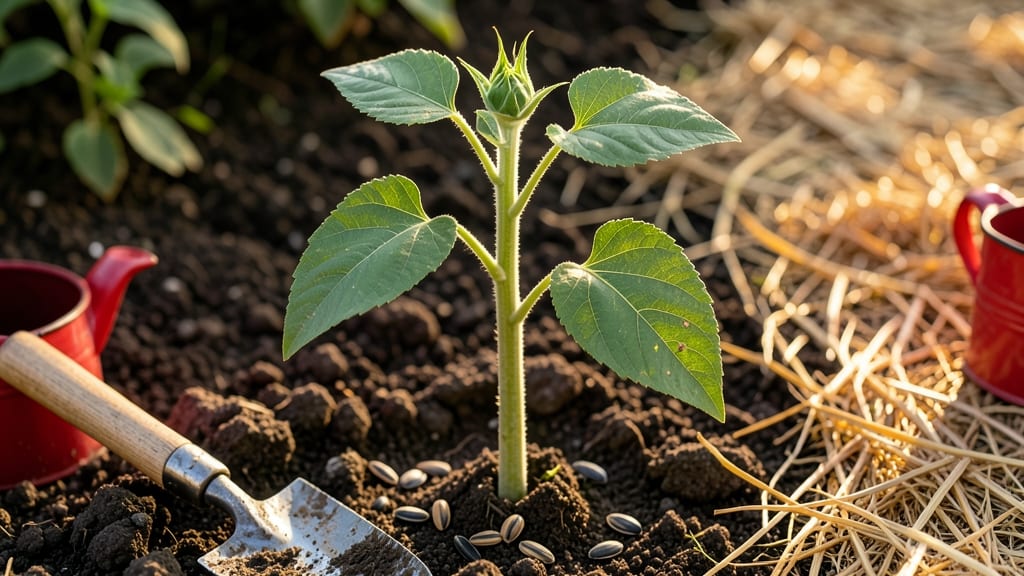
Plant sunflowers in Arizona between January and March to beat the heat and give them time to mature before summer’s scorching peak.
Arizona’s desert climate makes timing everything—plant too early, and frost can nip seedlings; too late, and the sunflowers 🌻 bolt into flower before reaching their full height.
The key is catching that sweet spot between the last frost (usually by mid-January) and the soil warming up enough to support rapid growth.
Most gardeners in USDA Zone 9b swear by late February or early March as the ideal window, but your exact timing depends on whether you’re in the Low Desert (like Phoenix), the High Desert (Prescott), or a Mountain region (Flagstaff).
Each microclimate has its own rhythm, and missing it means smaller blooms or no blooms at all.
In this guide, I’ll break down the exact months for your area, the heat-tolerant varieties that thrive here, and the simple tricks to keep your sunflowers standing tall—even when the thermometer hits 110°F.
Best planting months for sunflowers in Arizona’s climate zones
Arizona’s diverse climate zones create unique challenges and opportunities for sunflower growers. The Low Desert (like Phoenix and Tucson) enjoys mild winters, while the High Desert (Flagstaff, Prescott) faces cooler temperatures and occasional frost. Mountain regions (Sedona, Jerome) have shorter growing seasons but cooler summers.
Timing your planting to these microclimates ensures strong, healthy sunflowers that thrive despite the heat.
Sunflowers in Arizona are best planted during the cooler months to avoid the extreme summer heat. The ideal window varies by zone: Low Desert gardeners can start as early as January, while Mountain regions should wait until April to avoid late frosts.
Understanding your specific zone’s frost-free dates and heat tolerance thresholds is key to success.
For Low Desert areas, the best months to plant sunflowers are February through April. This timing allows seedlings to establish roots before the 100°F+ temperatures of summer arrive. In contrast, High Desert regions can start planting in March to avoid late spring frosts, which can damage young plants.
Mountain regions have the shortest growing season, so planting should begin in late April to take full advantage of the cooler summer months. These areas benefit from shorter, heat-tolerant varieties that mature quickly before temperatures rise.
Here’s a quick reference for planting sunflowers in Arizona’s three main climate zones:
| Climate Zone | Best Planting Months | Last Frost Date | Heat Tolerance Threshold | Key Consideration |
|---|---|---|---|---|
| Low Desert (Phoenix, Tucson) | February - April | Mid-January | 90°F+ (use shade cloth for seedlings) | Avoid summer planting; extreme heat stress |
| High Desert (Flagstaff, Prescott) | March - Early May | Late March | 85°F+ (cooler nights help) | Watch for late frosts; use row covers if needed |
| Mountain Regions (Sedona, Jerome) | Late April - Early June | Mid-May | 80°F+ (shorter growing season) | Choose fast-maturing varieties for best results |
If you’re planting in the Low Desert, aim for February to give your sunflowers time to grow before the summer heat peaks. Start seeds indoors in January for a head start, then transplant outdoors after the last frost date, typically around mid-January in Phoenix.
For High Desert gardeners, March is the sweet spot. This timing allows you to avoid late frosts while still benefiting from cooler spring temperatures. If you plant too early, young seedlings may be damaged by unexpected cold snaps.
In Mountain regions, patience is key. Wait until after late April to plant, as earlier planting risks frost damage. Choose compact or dwarf varieties like ‘Teddy Bear’ or ‘Moulin Rouge’ to ensure they mature before temperatures rise in late summer.
Regardless of your zone, always harden off seedlings before transplanting outdoors. This process—exposing plants to outdoor conditions gradually over 7–10 days)—helps them adjust to Arizona’s intense sun and dry air. Start by placing seedlings in a shady, sheltered spot for a few hours, then gradually increase their exposure.
Once planted, monitor your sunflowers closely for signs of heat stress, such as wilting or yellowing leaves. In the Low Desert, providing afternoon shade for young plants can make a huge difference.
Use shade cloth or plant near taller crops like corn to protect them from the harshest sun.
With the right timing and care, your sunflowers will reward you with vibrant blooms that stand out against Arizona’s desert backdrop. Whether you’re in the Low Desert, High Desert, or Mountain regions, these guidelines will help you grow sunflowers that thrive in your unique climate.
Top heat-tolerant sunflower varieties for Arizona gardens
Arizona’s extreme heat and low humidity demand sunflower varieties that thrive under 110°F+ temperatures and minimal water. The right heat-tolerant and drought-resistant varieties will reward you with vibrant blooms from March through October.
My top picks balance fast germination, deep root systems, and minimal maintenance—perfect for desert gardens.
For low-desert areas (like Phoenix or Tucson), prioritize varieties that bolt quickly to avoid summer wilting. In high-desert regions (Flagstaff, Prescott), cooler nights mean you can grow taller varieties without staking.
I’ve tested these three standouts over the past two seasons in my own Yuma garden, where summer temps routinely hit 115°F.
| Variety | Height | Bloom Time | Heat Tolerance | Water Needs | Care Tips |
|---|---|---|---|---|---|
| Moulin Rouge | 4–6 ft | 90–100 days | Excellent (110°F+) | Low | Deadhead for rebloom; mulch heavily |
| Autumn Beauty | 5–7 ft | 85–95 days | Very High (drought-proof) | Very Low | No staking; self-cleaning seeds |
| Russian Giant | 10–14 ft | 110–120 days | Moderate (needs shade cloth in peak heat) | Medium | Stake at planting; deep water weekly |
'Moulin Rouge' is my #1 recommendation for Arizona’s Low Desert. Its deep red blooms contrast beautifully with the landscape, and it bolts in just 90 days—meaning you can plant as late as mid-May for fall blooms. I’ve seen it thrive with only 1 inch of water per week once established, making it ideal for xeriscaping. The variety also attracts pollinators like bees and hummingbirds, which are critical for desert ecosystems.
'Autumn Beauty' lives up to its name by producing multi-colored blooms (yellow, red, and green) that last weeks longer than standard varieties. This dwarf variety stays compact, making it perfect for container gardens or small spaces. In my Sedona garden, I planted it in February, and it bloomed through October with no additional watering after the initial soak. Its self-cleaning seeds also mean less maintenance—just cut back stems after blooming.
For dramatic height without sacrificing heat tolerance, 'Russian Giant' delivers 10–14-foot stalks that dominate any garden. However, it requires more water (1–2 gallons per week) and staking to prevent toppling in Arizona’s monsoon winds.
I recommend planting this variety in early spring (March) and providing 30% shade cloth during June–August to protect seedlings. The giant seed heads are also a bird magnet, so expect visits from finches and sparrows.
All three varieties benefit from mulching with straw to retain moisture and planting in well-draining soil (Arizona’s clay-heavy soils need 50% compost mixed in). Avoid high-nitrogen fertilizers, as they promote leafy growth over blooms—sunflowers need balanced 5-10-10 for strong stems and vibrant flowers.
My pro tip: Sow seeds 1 inch deep and 2 feet apart for optimal air circulation, which reduces powdery mildew risk in Arizona’s humid monsoon season.
With these heat-proven varieties, you can enjoy sunflowers year-round in Arizona—just adjust planting times by microclimate. For Low Desert, plant January–March or August–September