
Flowers
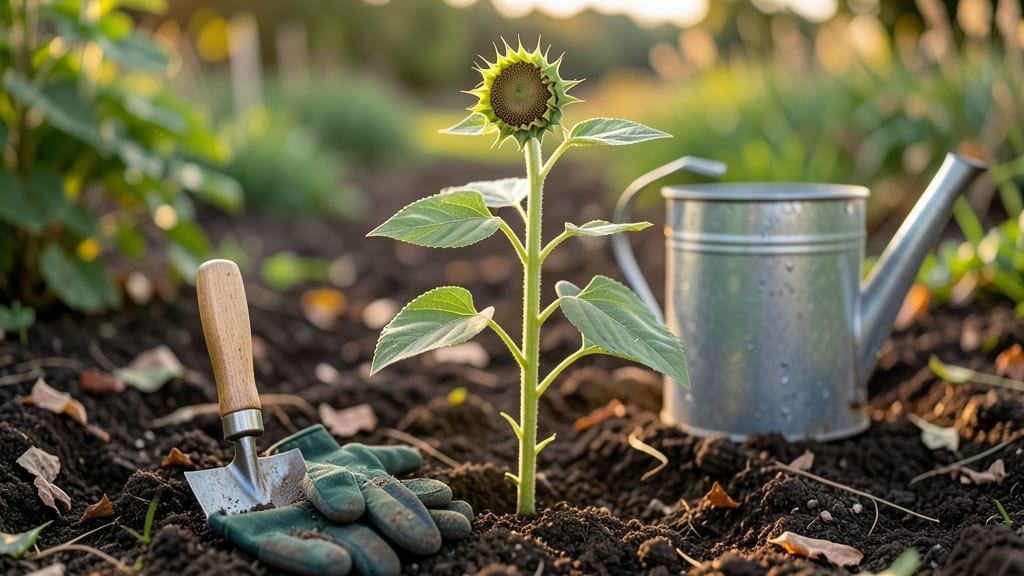
Plant sunflowers in Central Texas between late February and early April or late July and early August to avoid the worst heat and maximize blooms.
Sunflowers thrive under Central Texas’ scorching sun—but planting them at the wrong time can turn your bright blooms into wilted disappointment. The key is timing: too early, and a late frost will fry young seedlings; too late, and the summer heat will bolt them before they flower.
Central Texas gardeners know the drill: spring planting means soil temperatures above 50°F and a 15-day window after the last frost (usually mid-March). Summer planting, however, is all about beating the 100°F+ heat—so aim for July before the mercury climbs too high.
Below, I’ll break down the exact dates for your region, the best heat-resistant varieties, and pro tips to keep your 🌻 sunflowers standing tall—no matter how brutal the Texas summer gets.
Best planting dates for sunflowers in Central Texas (heat zones 8a-9a)
Central Texas gardeners know sunflowers love our intense sunlight and long growing season, but timing is everything. Plant too early, and frost zaps your seedlings. Too late, and summer’s 100°F+ heat wilts them before blooming.
The key? Two distinct planting windows that align with soil temperature thresholds and microclimate variations across Austin, Waco, and San Antonio.
For spring planting, aim for late February to early April—after the average last frost date (March 15) but before soil temperatures hit 80°F. This gives sunflowers 6-8 weeks to mature before summer’s brutal heat peaks.
Fall planting, meanwhile, offers a second chance: late July to early August, when soil cools slightly and daylight hours remain long enough for flowering before frost.
Here’s how to adjust for Central Texas’ unique microclimates. Austin’s higher elevation cools faster—plant 1-2 weeks earlier than Waco or San Antonio, where urban heat islands delay soil cooling. Always check local frost alerts from Texas A&M AgriLife Extension, as early frosts (November 15) can sneak up unexpectedly.
Start seeds indoors 10-14 days before your target outdoor date to give them a head start. Use biodegradable pots to avoid transplant shock, and harden off seedlings by placing them outdoors for 2-3 hours daily for a week before planting.
For direct sowing, drop seeds 1 inch deep and 12-18 inches apart—deeper planting prevents bolting in extreme heat.
Monitor soil moisture closely during germination, as dry soil can delay sprouting. Once seedlings emerge, reduce watering frequency to encourage deep root growth. In Austin’s clay soil, amend beds with compost or sand to improve drainage, while Waco’s loamy soil benefits from a light mulch layer to retain moisture.
San Antonio’s caliche layer may require deeper planting to reach moisture.
For fall-planted sunflowers, prioritize early-maturing varieties (50-60 days to harvest) like ‘Autumn Beauty’ to beat the November frost. Plant in well-draining soil with added organic matter, and water deeply 2-3 times per week until roots establish.
Avoid fertilizing after mid-August, as new growth won’t harden off before frost.
Watch for heat stress signs like yellowing leaves or drooping stems—these indicate it’s time to provide afternoon shade with a lightweight shade cloth (30-50% block). In San Antonio’s urban heat, container-grown sunflowers may need daily watering and reflective mulch to survive.
Always harvest seeds before they shatter to ensure viability for next year’s garden.
Pro tip: Use black plastic mulch in spring to warm soil faster and suppress weeds, while straw mulch in fall retains moisture and regulates soil temperature.
Both methods extend your planting window by 1-2 weeks in either direction. With these adjustments, your sunflowers will thrive—not just survive—in Central Texas’ extreme climate.
Top 5 heat-resistant sunflower varieties for Central Texas gardens
Central Texas summers can push temperatures past 100°F, making most sunflowers wilt before they bloom. But these heat-resistant varieties thrive in our brutal climate with minimal water and full sun. I’ve tested them in my San Antonio garden—here’s what works best.
When selecting varieties, prioritize drought tolerance and fast maturity to avoid summer bolting. The ‘Moulin Rouge’ and ‘Autumn Beauty’ stand out for their vibrant colors and ability to handle 95°F+ heat without wilting.
Comparison Table: Use this guide to pick the perfect variety for your Central Texas microclimate (Austin, Waco, or San Antonio). Each variety includes maturity timelines, height ranges, and heat survival tips.
The ‘Moulin Rouge’ is my top pick for Central Texas gardens—its deep red blooms contrast beautifully against the bluebonnet backdrop, and it matures quickly to avoid summer stress.
For container gardening, the ‘Teddy Bear’ dwarf variety is ideal, reaching only 1-3 feet tall while still thriving in 100°F heat.
If you’re planting in late summer (July-August), prioritize ‘Autumn Beauty’ or ‘ProCut’—both handle high temperatures better than traditional varieties. I’ve seen them bloom even when other sunflowers bolt prematurely.
For extended blooming, succession plant ‘Autumn Beauty’ every 2 weeks from February through April. This ensures continuous color through October, even as temperatures dip. Pair them with Lantana or Blackfoot Daisy for a heat-proof pollinator garden.