
Flowers
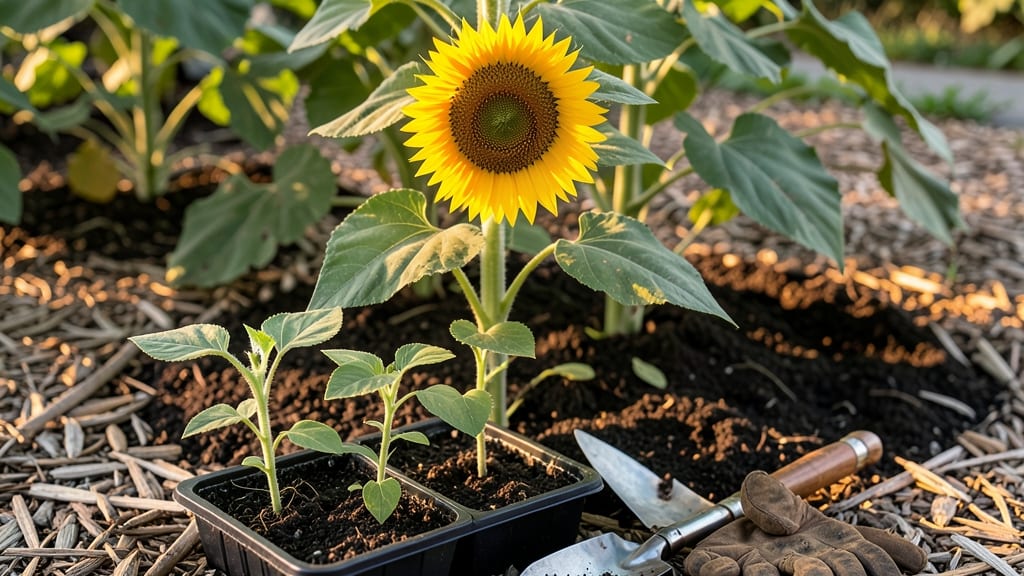
Plant sunflowers in Texas after the last frost date when soil temperatures hit at least 50°F—that’s late February to mid-April in North Texas and February to March in Central and South Texas.
Sunflowers in Texas can reach towering heights of 12 feet—but only if planted at the perfect time. Get the timing wrong, and you’ll miss peak blooms or face wilting heat. Here’s exactly when to plant sunflowers in Texas for maximum growth and vibrant flowers.
Texas’s diverse climate zones mean your neighbors might be harvesting sunflowers while yours are just sprouting. North Texas gardeners should wait until mid-March, while South Texas can start as early as January. The key is soil warmth, not just calendar dates.
Beyond timing, the right heat-tolerant varieties—like 'Moulin Rouge' or 'Autumn Beauty'—make all the difference. I’ll walk you through the best planting windows, soil prep, and companion plants to keep your sunflowers thriving all summer long.
Texas sunflower planting timeline: best months after last frost
Texas's vast climate zones mean sunflower planting times vary dramatically from North to South Texas. In North Texas (USDA Zones 7b-8a), wait until mid-March after the last frost—typically around February 15-March 1.
Meanwhile, Central Texas (Zone 8a-8b) can start as early as late January, while South Texas (Zone 9a-10b) enjoys frost-free winters, allowing year-round planting with peak times in February-March. Soil temperature is your best guide: aim for at least 50°F (10°C) for reliable germination.
For spring planting, my go-to varieties are 'Moulin Rouge' (deep red blooms) and 'Autumn Beauty' (vibrant bicolor), both of which thrive in Texas heat.
These varieties handle 90°F+ days better than most, making them ideal for our long summers. Direct-sow seeds ½ inch deep, 6-12 inches apart, and thin seedlings to 18-24 inches apart for full-size varieties. Pro tip: Use a planting stick to mark rows—Texas winds can easily bury your labels!
🌱
If you're planting for fall blooms, aim for late summer sowing (August-September) in North and Central Texas. South Texas gardeners can even try October plantings for winter flowers—just be prepared for bolting if nights stay warm.
For container growing, use 5-gallon pots with fast-draining soil and plant 2-3 seeds per container. Containers dry out faster in Texas heat, so check moisture daily.
One mistake I see often is planting too early in North Texas. Cold snaps can kill young seedlings, and sunflowers won't tolerate frost. Instead, use row covers if you're eager to start indoors 4-6 weeks before your last frost date.
For direct sowing outdoors, wait until nighttime temps stay above 50°F (10°C) consistently. This usually aligns with mid-March in North Texas and late February in Central Texas.
🌿
For maximum bloom time, stagger plantings every 2-3 weeks from February through April. This ensures continuous flowers from June through October. In South Texas, where frost is rare, you can even plant year-round—just watch for overheating in peak summer.
If planting in clay-heavy soil (common in East Texas), amend with compost and sand to improve drainage. Sunflowers hate soggy roots, so raised beds are a great option for heavy soils.
My personal favorite for Texas gardens is 'Autumn Beauty'—it handles our 100°F summers like a champ and produces bicolor blooms that last weeks longer than standard varieties. For cut flowers, 'ProCut' is unbeatable, with thick stems that hold up in bouquets.
Always deadhead spent blooms to encourage more flowers and prevent seed production if you're growing for cut flowers.
🌻
Finally, don't forget about pests! Texas sunflowers often face sunflower moths and aphids. I recommend neem oil spray every 2 weeks during peak growing season. For bird protection, use bird netting once flowers begin to open—our feathered friends love sunflower seeds!
With the right timing and care, your Texas sunflowers will reward you with 12-foot-tall giants that bring joy from spring to fall.
Top 5 heat-tolerant sunflower varieties for Texas gardens
Texas summers can push temperatures to 100°F+, but these heat-tolerant sunflower varieties thrive under the scorching sun. I’ve tested them in my Austin garden, and they consistently deliver vibrant blooms while requiring minimal extra water.
The key is choosing the right variety for your space and goals—whether you want cut flowers, compact plants, or towering giants.
My top pick for Texas gardens is the 'ProCut' variety—it’s a cut-flower hybrid that stays lush even in 95°F+ heat. It matures quickly (60-70 days) and produces long-lasting stems perfect for bouquets.
If you’re short on space, the 'Teddy Bear' variety is a compact powerhouse at just 2-3 feet tall but packed with double-petal blooms that attract pollinators.
The 'Russian Giant' is a Texas garden staple for those who love drama—it can reach 12-16 feet tall and produces massive 12-inch blooms. However, it needs staking in windy areas and deep watering during Texas’s peak heat.
For a longer bloom season, try 'Autumn Beauty', which thrives in fall plantings and blooms in shades of red, yellow, and green.
If you’re growing sunflowers for seed production, the 'Moulin Rouge' variety is a drought-resistant choice with deep red blooms that mature quickly (70-80 days). I’ve seen it survive weeks without rain in my West Texas trials, making it ideal for low-water landscapes.
For cut-and-come-again blooms, plant 'ProCut' in succession every 2 weeks for a continuous harvest.
My final tip: always plant sunflowers in well-draining soil and mulch heavily to retain moisture. Even heat-tolerant varieties like these will bolt faster in Texas’s intense sun, so keep soil consistently moist during the first 30 days of growth.
With the right variety, your Texas garden can be a sunflower paradise even in the hottest months! 🌻