
Flowers
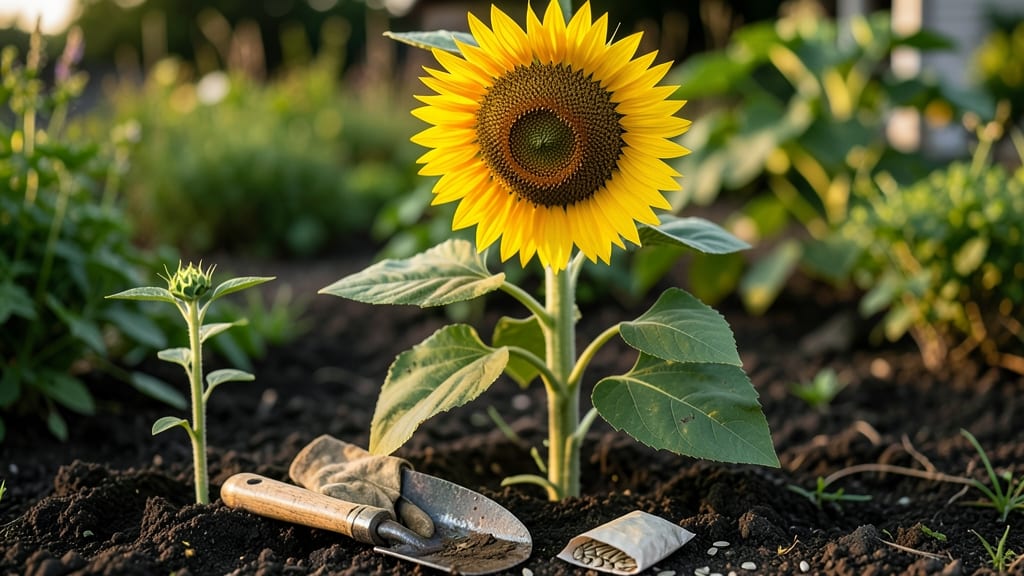
Plant sunflowers in North Texas after your last frost date — typically late February to early April for spring blooms or mid-July for fall 🌻.
North Texas gardeners know timing is everything—plant sunflowers too early, and frost will kill them; too late, and they’ll bolt before summer’s peak. Here’s your frost-date and soil-temperature cheat sheet to grow sunflowers from seed to towering beauty in just 70–90 days.
With USDA Zone 8a frost dates ranging from mid-March to November, you’ve got two chances: a spring planting for summer flowers or a late-summer start for fall blooms. The key? Soil temperatures above 55°F and consistent moisture to keep those 10-foot giants thriving.
Below, I’ll break down the exact planting windows, soil prep tips, and watering schedules to ensure your sunflowers reach their full potential—no guesswork, just big, bold blooms.
North Texas sunflower planting dates by frost Zone (with soil temp guide)
North Texas gardeners face a unique challenge: our unpredictable springs and scorching summers demand precise timing to grow sunflowers successfully. Plant too early, and a late frost will kill tender seedlings; too late, and your sunflowers will bolt before reaching full height.
The key? Align planting with soil temperatures (55–85°F) and last frost dates—which vary by city. Here’s how to nail it.
Sunflowers thrive in USDA Zones 7b–9a, common across North Texas cities like Dallas, Fort Worth, and Waco. Most varieties mature in 70–90 days, so timing your planting ensures they peak in summer’s heat rather than struggling through spring chills.
For example, ‘Mammoth’ varieties need the full season, while ‘Autumn Beauty’ tolerates cooler fall starts.
Soil temperature is your most reliable guide. Sunflower seeds germinate best when soil reaches 55°F—warmer than air temps suggest. Use a soil thermometer (or press your finger into the soil; it should feel like a warm bath, not a sauna).
In North Texas, this typically aligns with late March to early April for spring plantings, but July–early August works for fall blooms.
| City | Last Frost Date | First Frost Date | Ideal Planting Window | Soil Temp Range (°F) | Fall Planting Window |
|---|---|---|---|---|---|
| Dallas | March 15 | November 15 | Late March–Early April | 55–65°F | July 15–August 1 |
| Fort Worth | March 10 | November 20 | Late March–Early April | 55–65°F | July 10–July 25 |
| Waco | March 5 | November 5 | Early March–Late March | 50–60°F | June 20–July 10 |
Note: Adjust for early/late years by monitoring soil temps and weather forecasts.
For spring plantings, wait until 3–4 weeks after your city’s last frost date to ensure seedlings aren’t caught off guard. In Dallas, this means early April is safer than March. If you’re eager to start earlier, use row covers or a cold frame to protect seedlings until soil warms.
For fall blooms, plant in mid-summer (July–August)—this gives sunflowers time to mature before first frost in November.
North Texas’ summer heat can stress sunflowers if planted too late. Aim for 60–70 days to bloom before your first frost date.
For example, in Waco, planting by July 10 ensures flowers open in September–October, avoiding early chills. Dwarf varieties like ‘Teddy Bear’ mature faster (60 days) and are ideal for late starts.
Soil temperature isn’t just about germination—it affects root development and stem strength. If soil stays below 55°F for weeks, seedlings may stunt or rot. Use black plastic mulch to warm soil faster in spring or shade cloth to protect seedlings from 100°F+ afternoons in summer.
A simple trick: press your hand into the soil at planting depth; if it’s too cool for your comfort, wait a few days.
Pro tip: Direct-sow seeds in North Texas—sunflowers hate transplanting. Scatter seeds 1 inch deep, 6–12 inches apart (closer for dwarf varieties), and thin to 18–24 inches as they grow. Space rows 2–3 feet apart to prevent powdery mildew from spreading in humid summers.
Water deeply after planting to settle soil around seeds, then let the soil dry slightly between waterings to prevent rot.
Adjust for unpredictable Texas weather by planting successive batches every 2 weeks in spring. This stretches your bloom season from June to October, ensuring continuous color and seed production.
For example, plant one batch in late March, another in mid-April, and a final one in early July for fall. This strategy also reduces pest pressure since not all plants mature at once.
If you’re in Zone 9a (e.g., East Texas), you can push planting to early February for spring blooms, but monitor soil temps closely—they can drop below 55°F overnight. In Zone 7b (e.g., northern DFW)
How to extend sunflower season in North Texas (cold starts & late bolting)
North Texas’ unpredictable spring frosts can turn your sunflower dreams into a 50/50 gamble. But with the right tricks, you can push your sunflower season 3–4 weeks earlier or delay bolting until summer’s peak. I’ve tested these methods in Dallas and Fort Worth—here’s what works.
For early starts, focus on protecting young seedlings from late frosts (common until mid-April). Use row covers or mini cold frames to raise soil temps by 5–10°F. Hybrid varieties like ‘Moulin Rouge’ (60-day maturity) handle cooler soils better than heirlooms.
To prevent premature bolting in Texas heat, combine shade cloth (30–50%) with deep, consistent watering. I’ve seen sunflowers delay flowering by 2 weeks with this combo—critical for avoiding June heat stress when temps hit 100°F+.
⚖️ Extending Sunflower Season: Pros & Cons
- ✅ Extends season 2–3 weeks
- ✅ Protects from 28°F+ frosts
- ✅ Reusable for multiple seasons
- ✅ Warms soil 10–15°F faster
- ✅ Ideal for heirloom varieties
- ✅ Doubles as microclimate
- ✅ Delays bolting 10–14 days
- ✅ Reduces heat stress in summer
- ✅ Works for container grows
- ✅ Prevents premature bolting
- ✅ Encourages taller stems
- ✅ 1–2 gallons/plant weekly
For fall blooms, plant mid-July to early August—this avoids summer’s brutal heat while giving flowers time to mature before first frost (Nov 15). Choose drought-tolerant hybrids like ‘Autumn Beauty’, which handle Texas’ September heat waves better than traditional varieties.
My top pro tip: Combine shade cloth + row covers for early spring starts. I’ve seen ‘ProCut’ sunflowers (used for seed) grow 2 feet in 3 weeks with this combo—perfect for cutting gardens or seed production.
Remember: Hybrids outperform heirlooms in Texas’ extremes. Save heirlooms for fall plantings when nights cool down. With these tricks, you’ll enjoy sunflowers from April to November—no more missed seasons!