
Flowers
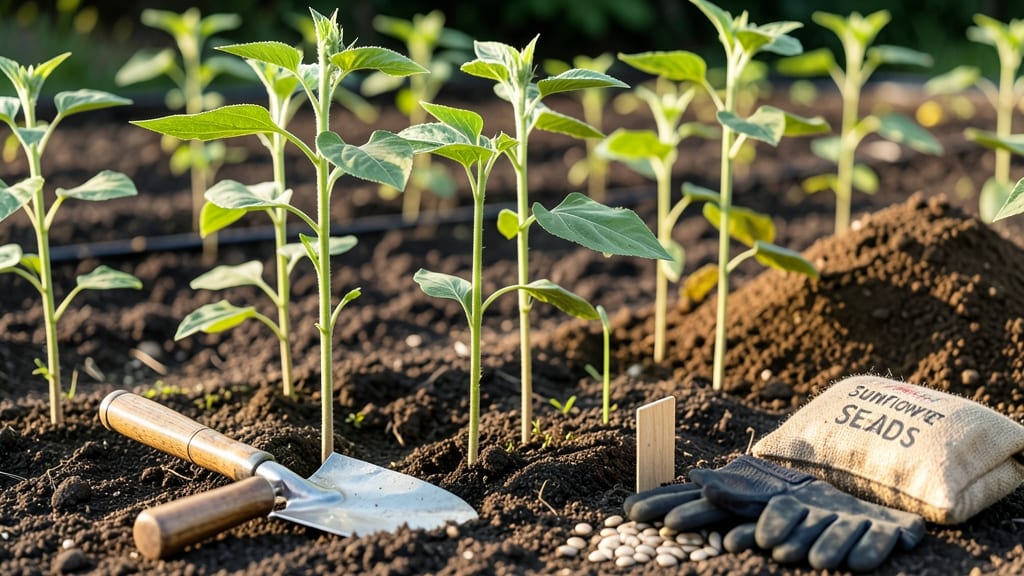
To plant sunflowers in Minnesota at the perfect time means waiting until after your last spring frost—usually mid-May—but not so late that summer’s short window slips away.
Picture this: you’ve chosen your favorite 🌻 varieties, cleared the garden bed, and the soil is finally warm enough. But if you plant too early, a late frost will nip those tender sprouts.
Too late, and your towering sunflowers might bolt before they bloom. The margin for error is narrow, but the payoff—a field of golden blooms—is worth it.
Minnesota’s USDA zones 4a-5b mean your planting window depends on where you live. Northern counties have a shorter season, while southern areas can stretch it a little longer. The key is soil temperature: wait until it hits at least 50°F—that’s when those seeds will finally sprout reliably.
In this guide, I’ll break down the exact frost dates by region, share my pro tips for adjusting to Minnesota’s unpredictable weather, and even recommend the best sunflower varieties for your zone. By the end, you’ll know exactly when to plant for maximum height and vibrant blooms—no guesswork required.
Minnesota sunflower planting dates by frost zone (with exact timing)
Minnesota’s diverse frost zones (USDA 3b-5a) mean your sunflower planting timing should vary by 1-3 weeks depending on where you live. In northern counties like Cook or Lake, you’ll need to wait until late May, while southern areas like Olmsted or Fillmore can start in early May.
The key is planting after your average last frost date—but with sunflowers’ fast growth, even a late start can yield blooms.
Sunflowers thrive when soil temperatures hit 50°F (10°C), which typically aligns with mid-May across most of Minnesota. For direct sowing, wait until soil warms consistently—use a soil thermometer to confirm.
If transplanting starts, begin 4-6 weeks earlier indoors under grow lights. Northern gardeners should prioritize early-maturing varieties (like ‘Moulin Rouge’) to beat frost before October.
Here’s your zone-by-zone breakdown of ideal planting windows, including last frost dates, soil temperature thresholds, and regional adjustments for Minnesota’s unpredictable spring. Use this as your planting calendar to maximize sunflower success.
| USDA Zone | Avg. Last Frost | Soil Temp Threshold | Direct Sow Window | Transplant Start (Indoors) | Notes |
|---|---|---|---|---|---|
| 3b (North: Cook, Lake) | May 25–June 1 | 50°F (10°C) | June 1–15 | May 1–15 (4–6 weeks before last frost) | Use cold-hardy varieties like ‘Autumn Beauty’ |
| 4a (North: St. Louis, Carlton) | May 15–20 | 50°F (10°C) | May 25–June 5 | April 25–May 10 | Warm soil with black plastic mulch if late |
| 4b (Central: Ramsey, Dakota) | May 10–15 | 50°F (10°C) | May 20–June 1 | April 15–April 30 | Ideal for giant varieties like ‘Russian Giant’ |
| 5a (South: Scott, Carver) | May 5–10 | 50°F (10°C) | May 15–25 | April 1–April 15 | Can plant dwarf varieties in containers |
| 5a (Southeast: Olmsted, Fillmore) | April 25–May 5 | 50°F (10°C) | May 10–20 | March 25–April 10 | Longest growing season—try late-season varieties |
For
How to adjust sunflower planting for Minnesota’s unpredictable weather
Minnesota’s weather can be as unpredictable as a summer thunderstorm—one day warm enough to plant, the next a surprise frost. Sunflowers need consistent warmth to germinate and grow, so adjusting your planting strategy is key.
I’ve learned that even a single late frost can set back your sunflowers by weeks, while early cold snaps can cut the season short before those iconic blooms appear.
For gardeners in Minnesota, the trick is to extend the growing window using proven techniques like succession planting, choosing cold-hardy varieties, and warming the soil faster. These methods help you beat the clock and enjoy sunflowers from seed to showstopper bloom, even in our short summers.
Here’s how to adapt your sunflower planting for Minnesota’s unpredictable weather patterns, including specific strategies for late frosts, early cold snaps, and short growing seasons.
⚠️ Watch for Late Frosts!
Minnesota’s last frost can hit as late as May 30 in northern zones (USDA 3b-4a), while southern areas (USDA 5a-5b) typically see May 15. Planting too early risks frost damage to young seedlings.
Use row covers or wait until soil reaches 50°F (10°C)—a soil thermometer is your best friend here!
If you’re worried about late frosts, opt for succession planting by sowing seeds in two-week intervals from mid-May through early June. This ensures a steady supply of blooms throughout summer, even if the first planting gets nipped by frost.
For example, I planted my first batch on May 20 and a second on June 5, giving me sunflowers from July through September.
Another game-changer is selecting cold-hardy sunflower varieties like ‘Autumn Beauty’ or ‘Moulin Rouge’, which tolerate cooler temperatures better than standard varieties. These types can handle brief chills down to 32°F (0°C) once established, giving you a buffer against early fall frosts.
Pair them with black plastic mulch to warm the soil faster and extend the season by 2-3 weeks.
For gardeners in northern Minnesota (USDA 3b-4a), consider starting seeds indoors under grow lights 4-6 weeks before your last frost date. Transplant seedlings outdoors after the danger of frost has passed, using starter pots to minimize root disturbance.
This head start can add critical weeks to your growing season, helping sunflowers reach maturity before the first frost in early October.
Finally, don’t underestimate the power of microclimates. South-facing slopes or areas near buildings retain heat longer, creating warmer pockets perfect for sunflowers. I’ve seen sunflowers thrive in these spots 2-3 weeks earlier than in open garden beds. Use these warm zones for your earliest plantings to maximize your blooms.