
Flowers
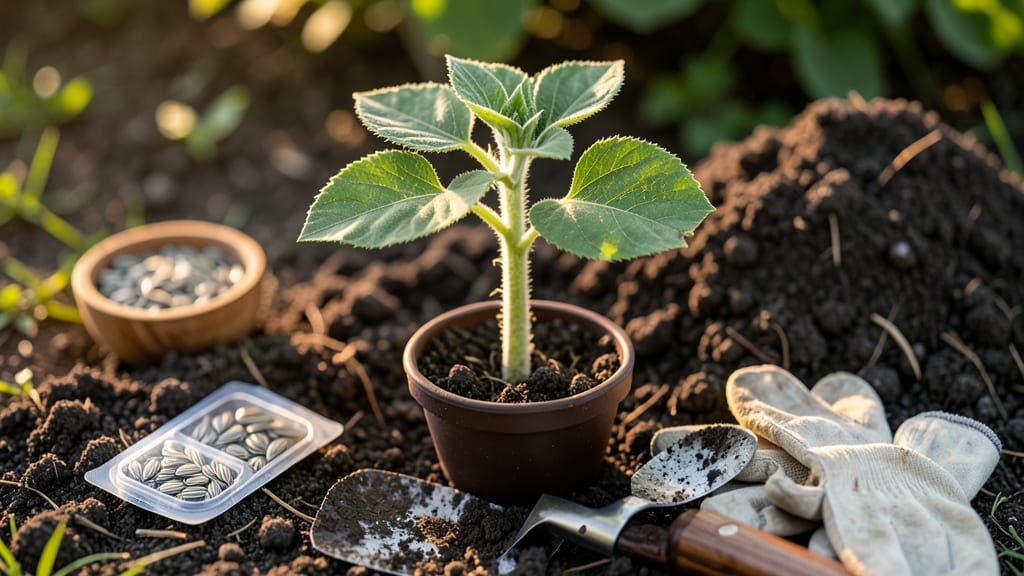
Planting sunflowers in North Florida after your last frost — typically mid-March — is the key to avoiding stunted growth or bolting before they bloom.
Here’s the catch: skip this window, and you’ll either end up with sunflowers that bolt too fast in the heat or never reach their full height. I’ve seen 10-foot giants turn into 3-foot shrubs because of timing, and I’ll show you exactly how to avoid that.
North Florida’s warm climate means sunflowers can thrive as a spring crop, but the first two weeks of April are your sweet spot for giant varieties like ‘Russian Giant.’ For smaller ornamental types, you’ve got a little more flexibility — but even they need the right conditions to shine.
Below, I’ll break down the exact planting schedule for your zone, how to prep your soil for Florida’s sandy conditions, and the three mistakes that kill sunflowers before they even get started.
Best planting times for sunflowers in North Florida’s climate zones
North Florida’s USDA Zones 8a-9a offer a perfect climate for sunflowers, but the timing matters more than you might think. The last frost date typically falls around mid-March in most areas, but coastal regions like Jacksonville may see frost-free conditions as early as February.
Inland cities like Tallahassee often wait until late March to plant safely. This variation means your optimal planting window depends on your exact location.
Sunflowers thrive in North Florida’s heat, but they need warm soil temperatures (at least 60°F) to germinate properly. If you plant too early, seeds may rot in cold soil. The ideal soil temperature range for germination is 70-90°F, which usually aligns with April across most of the region.
This timing ensures strong, healthy growth before summer’s intense heat arrives.
For giant sunflower varieties like 'Russian Giant' or 'Mammoth', aim for mid-March to early April planting.
These varieties need 100-120 days to reach maturity, so planting too late risks frost damage before they finish growing. Smaller ornamental types like 'Autumn Beauty' or 'Teddy Bear' can handle late spring planting (May) but may produce smaller blooms if stressed by summer heat.
The summary table below breaks down the best planting times for North Florida’s microclimates, including soil prep tips and regional variations:
| Region | Last Frost Date | Optimal Planting Window | Soil Prep | Notes |
|---|---|---|---|---|
| Jacksonville (Zone 8b) | Mid-February | Late February - Early March | Amend sandy soil with compost | Humidity can cause fungal issues; ensure good airflow |
| Gainesville (Zone 8a) | Mid-March | Mid-March - Early April | Test soil pH (6.0-7.0 ideal) | Hot summers; mulch to retain moisture |
| Tallahassee (Zone 8a) | Late March | Late March - Mid-April | Add organic matter for clay soils | Drier climate; water deeply after planting |
| Pensacola (Zone 8b) | Early March | Early March - Late March | Drainage is critical in low spots | Coastal winds; stake tall varieties |
| Fall Planting (All Regions) | N/A | Late July - Early August | Use fast-growing varieties | Smaller blooms; harvest before frost |
While spring planting is the most common approach, North Florida gardeners can also try a fall planting strategy for a late-season harvest. Plant late July to early August for sunflowers to mature before the first frost (mid-November).
This works best with fast-maturing varieties like 'ProCut' (50 days) or 'Autumn Beauty' (60 days). Just be prepared for smaller blooms compared to spring-planted sunflowers.
Before planting, prepare your soil by amending with compost to improve drainage, especially in North Florida’s sandy soils. Sunflowers prefer well-draining soil with a pH between 6.0 and 7.0.
If your soil is heavy clay, mix in sand or peat moss to create a looser texture. Test your soil a few weeks before planting to give yourself time to make adjustments if needed.
After planting, maintain consistent moisture without overwatering. Sunflowers are drought-tolerant once established, but they need deep watering (1-2 inches per week) during their first few weeks of growth. Water at the base of the plant in the morning to reduce fungal diseases caused by humidity.
Mulch around the base with straw or wood chips to retain moisture and suppress weeds
3 Critical mistakes that ruin sunflower growth in Florida (and how to Fix them)
Growing sunflowers in North Florida can be incredibly rewarding, but even the hardiest varieties fall victim to common mistakes. The humid heat, sandy soil, and intense sunlight create unique challenges that many gardeners overlook.
I’ve seen firsthand how these three mistakes can turn vibrant blooms into stunted, struggling plants—and how easy they are to fix with the right approach.
First, many gardeners plant sunflowers too early in North Florida’s Zone 8a-9a, triggering premature bolting from the heat. Second, the region’s poorly draining sandy soils often lead to root rot or nutrient runoff, starving your plants.
Finally, overcrowding is a silent killer—sunflowers need space to thrive, yet many plant them too closely, leading to weak stems and yellowing leaves.
⚠️ callout warning
🔹 Fix #1: Wait until mid-March to early April (after last frost) to plant. Early planting = bolting before blooming. 🔹 Fix #2: Amend soil with 2-3 inches of compost to improve drainage and nutrient retention. 🔹 Fix #3: Space seeds 12-18 inches apart (not 6 inches!). Crowding = weak stems and disease.
Let’s tackle the first mistake: planting too early. In North Florida, temperatures can spike unexpectedly, causing sunflowers to bolt prematurely—meaning they send up a flower stalk before developing strong roots or leaves. This results in small, weak blooms or no flowers at all.
The fix? Wait until mid-March to early April, when soil temperatures consistently stay above 60°F. For late summer blooms, plant again in July to avoid the peak heat.
Next, North Florida’s sandy soil drains too quickly, flushing away nutrients and leaving roots thirsty. Without organic matter, sunflowers struggle to establish strong root systems, leading to yellowing leaves and stunted growth.
The solution is simple: mix in 2-3 inches of compost or aged manure before planting. For existing plants, top-dress with compost tea every 4-6 weeks to replenish nutrients without overloading the soil.
Overcrowding is another silent killer. Sunflowers need space to breathe—literally. Planting them too closely (like 6 inches apart) leads to competition for sunlight and nutrients, resulting in weak stems that snap in storms or heavy rain.
Space seeds 12-18 inches apart for standard varieties and 24 inches apart for giants like ‘Russian Giant’. Thin seedlings early to avoid stress later.
Here’s a quick Florida-specific troubleshooting guide to revive struggling sunflowers:
- Stunted growth? Check for nutrient deficiency (add compost) or overwatering (let soil dry slightly).
- Yellowing leaves? Likely root rot from poor drainage—amend soil immediately.
- Weak stems? Thin plants and stake tall varieties to prevent snapping in wind or rain.
By avoiding these three mistakes, your sunflowers will reach their full 3-14 feet of glory, with vibrant blooms that turn heads—and maybe even attract pollinators all season long. 🌻