
Flowers
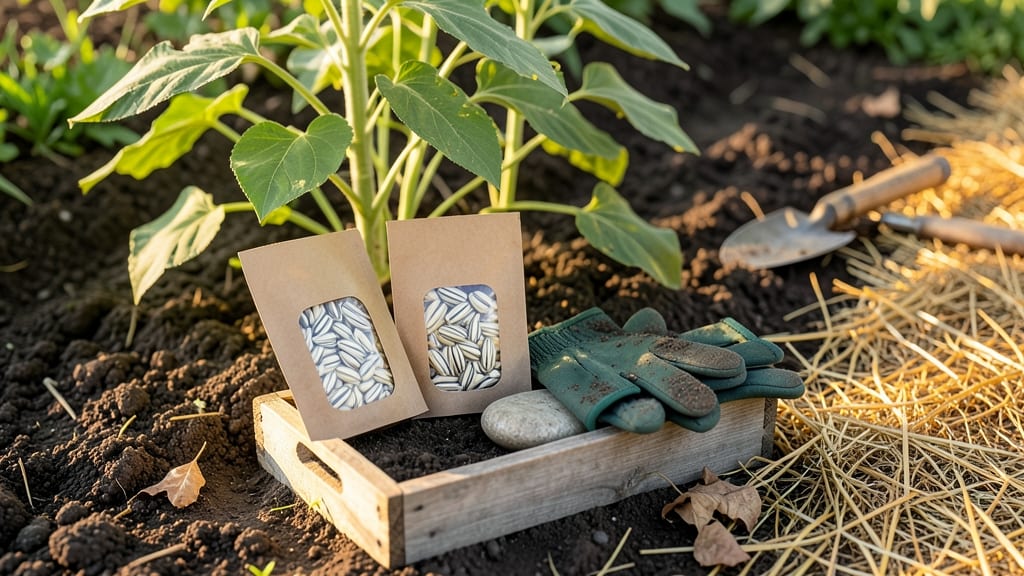
Planting sunflowers in Ohio after your last frost date — typically mid-April — unlocks their full potential, from towering 10-foot stalks to vibrant blooms that feed pollinators.
Ohio gardeners know timing is everything — plant too early, and frost will nip tender seedlings; too late, and you’ll miss the golden blooms that brighten summer landscapes. But with USDA zones 5-7 and frost dates that shift from north to south, the perfect window varies by region.
This guide breaks down the ideal planting dates by zone, soil temperature, and frost risks, so you can grow sunflowers that thrive from seed to harvest. Whether you’re in Zone 6a or further south, we’ll cover how to extend your season and pick the best varieties for Ohio’s climate.
Ready to grow sunflowers that reach their full height? Here’s what you need to know to time it right — and avoid common mistakes that kill seedlings before they sprout.
Ohio sunflower planting dates by USDA Zone (5-7) and last frost timing
Ohio’s USDA zones 5-7 create a 3-week window difference for planting sunflowers, so knowing your exact zone—and last frost date—is critical. In Zone 5 (northwest Ohio), the last frost typically arrives by May 10, while Zone 7 (southern Ohio) sees frost-free soil as early as April 15.
This variance means northern Ohio gardeners should wait until late April, while southern Ohioans can start in early April.
Sunflowers thrive when soil temperatures reach 55°F (13°C)—a key threshold for germination. Use a soil thermometer to confirm readiness, especially in Zone 6 (central Ohio), where temperatures fluctuate wildly in spring.
Planting too early in cold, wet soil risks seed rot or slow germination, delaying those towering 10-foot stalks you’re dreaming of.
Here’s the zone-by-zone breakdown of ideal planting windows, based on Ohio State Extension data and 30-year climate averages:
Sunflowers are direct-sown annuals, meaning you never transplant seedlings—they handle root disturbance poorly. For Zone 5 gardeners, I recommend starting seeds indoors in early April under grow lights, then transplanting hardened-off seedlings after the last frost.
This 2-week head start ensures taller stalks by summer. In Zones 6-7, sow seeds directly outdoors once soil is workable, typically by mid-April.
Ohio’s microclimates add another layer of complexity. Urban areas like Columbus (Zone 6a) often warm up faster than rural Toledo (Zone 5b), while southern Ohio’s hilly regions (Zone 7a) can experience earlier frost-free periods.
Use a local frost calendar (like the Ohio State Extension’s) and adjust your planting by 1-2 weeks if your yard sits in a frost pocket or urban heat island.
For late bloomers, consider short-season varieties like ‘Teddy Bear’ (50 days to maturity) or ‘Moulin Rouge’ (60 days). These dwarf sunflowers reach 3-5 feet tall and thrive even if planted in early June, giving you blooms by late August.
Just ensure they get full sun—no compromises there!
Pro tip: Test your soil before planting. Sunflowers prefer slightly acidic to neutral pH (6.0–7.0) and well-draining soil. Amend heavy clay with compost or sand to prevent waterlogged roots, which can stunt growth.
A 5-10-10 fertilizer at planting time gives them a nutrient boost for those rapid early growth spurts.
Remember, sunflowers are frost-sensitive but heat-loving. If a late frost threatens after planting, cover seedlings with frost cloth or a lightweight row cover. Once established, they’ll bounce back—just like my Zone 6 garden did after a May 15 frost last year.
The stalks survived, and by July 4th, they were 12 feet tall and buzzing with bees.
Plan to harvest seeds by late October before the first hard frost. Ripe seed heads will feel heavy and papery, and the back of the petals will turn yellow-brown. Hang them upside-down in a dry, dark place to finish drying—this ensures plump, viable seeds for next year’s garden.
With these zone-specific dates and soil prep tips, your sunflowers will thrive from seed to towering bloom, turning your Ohio landscape into a golden summer spectacle. 🌻
5 Pro tips to extend Ohio sunflower season (even if you miss the ideal window)
Missed the mid-April to early June window for planting sunflowers? Don’t despair—Ohio’s short growing season doesn’t mean you have to skip these cheerful blooms. With the right strategies, you can coax sunflowers to thrive well into September, even if you’re starting late.
The key lies in variety selection, season extension tools, and smart timing adjustments tailored to Ohio’s USDA Zones 5-7.
Sunflowers are resilient, but they need help when planted outside their ideal window. Whether you’re dealing with late spring frosts or early fall chill, these five pro tips will maximize your chances of success.
From indoor starts to row covers, we’ll cover everything you need to know to turn your sunflower dreams into reality—no matter when you plant.
🌱 Extend Your Sunflower Season with These Pro Tips
-
1. Start Indoors for a Head Start
Sow seeds 2-3 weeks before your last frost date (typically mid-April in Ohio) in biodegradable pots. Use a grow light or sunny windowsill to ensure strong seedlings before transplanting outdoors. -
2. Choose Cold-Tolerant Varieties
Opt for early-maturing varieties like 'Autumn Beauty' or 'Moulin Rouge', which thrive in cooler temperatures. These varieties can handle light frosts and still produce stunning blooms by late summer. -
3. Use Row Covers for Protection
After transplanting, cover young plants with frost cloth or lightweight row covers to shield them from late spring frosts or early fall chill. Remove covers during the day to allow pollination and airflow. -
4. Plant Late Varieties in June
For a September harvest, sow late-maturing varieties like 'Russian Giant' or 'ProCut' in early June. These varieties have longer growing seasons and can handle Ohio’s shorter daylight hours in late summer. -
5. Extend the Season with Succession Planting
Plant a second batch of seeds in late June for a fall harvest. Choose compact varieties like 'Teddy Bear' to avoid overcrowding and ensure they mature before the first frost (mid-October in Ohio).
Don’t let Ohio’s unpredictable weather dash your sunflower dreams. By leveraging indoor starts, season extenders, and late-season varieties, you can enjoy vibrant blooms well into autumn.
Even if you’re a last-minute planter, these tips will help you beat the clock and keep your garden glowing with golden sunshine.
Pro tip: Pair your sunflowers with companion plants like marigolds or basil to deter pests and boost growth. With the right approach, your sunflowers will thrive—no matter when you plant them!