
Flowers
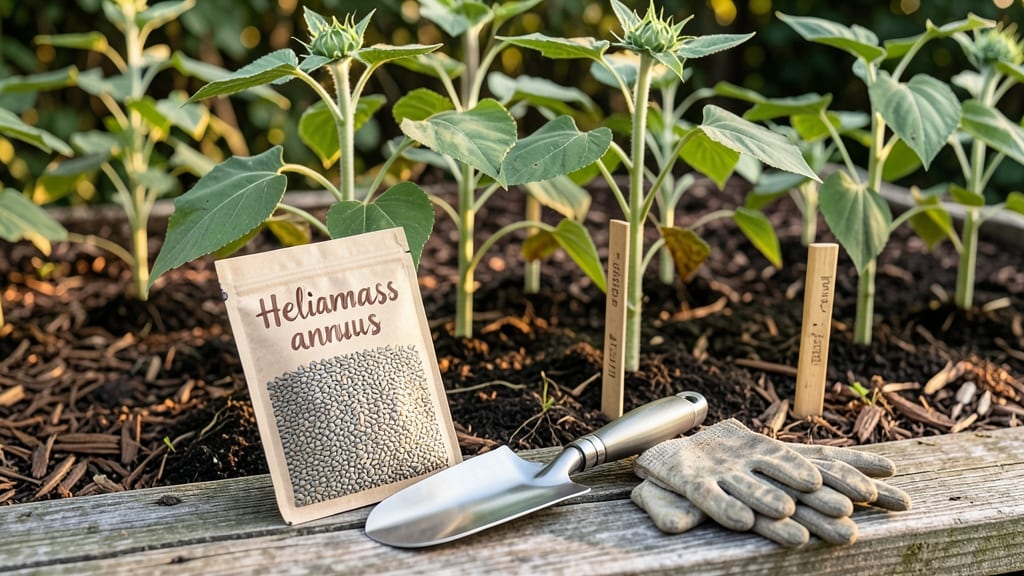
Plant sunflowers in Oregon after your last frost date, typically between mid-April and early June, to ensure those towering 🌻 blooms thrive in your 7b-9a zone.
Oregon’s unpredictable climate can make sunflower gardening a gamble—unless you plant at the perfect time for vibrant blooms and strong stems. Timing your sunflower seeds just right ensures they thrive from Portland’s rainy springs to the Willamette Valley’s summer heat.
Most regions see their last frost around March 15, but coastal areas like the Oregon Coast may wait until early April. Inland spots like Medford can plant a little earlier, around late March, giving you a 165-200 frost-free day window to grow sunflowers from seed to harvest.
Below, I’ll break down the exact planting windows by region, how to prep your soil for those deep roots, and which sunflower varieties will give you the biggest blooms before Oregon’s first fall frost hits in October.
Oregon’s sunflower planting zones: frost dates by region
Oregon’s diverse microclimates mean your sunflower planting timeline should depend heavily on your exact location. The Willamette Valley has milder winters, while the Coast Range stays chilly longer, and Eastern Oregon warms up faster in spring.
Understanding these differences helps you avoid frost damage while maximizing your sunflowers’ bloom potential.
Sunflowers are warm-season annuals that thrive after the last frost, but Oregon’s USDA zones 7b-9a create regional variations. Most varieties need 60-120 days to mature, so timing is critical. Plant too early, and seedlings may rot in cold soil; too late, and your blooms arrive after summer’s peak heat.
Here’s how to match your planting window to Oregon’s three key regions—plus adjustments for urban vs. rural microclimates. Use this guide to pick your ideal planting month and variety for peak summer color.
⚠️ PRO TIP: Check your local last frost date using the Oregon State University Extension frost map or a home weather station. Urban areas like Portland often warm up 1-2 weeks earlier than rural zones due to the heat island effect.
For the Willamette Valley, aim to plant giant sunflowers like ‘Moulin Rouge’ in late April to ensure they bloom by July 4th. This variety matures in just 60 days, giving you vibrant yellow and red blooms before summer’s end.
Use black plastic mulch to warm the soil faster in cooler zones like Corvallis.
In Eastern Oregon, where summers are hot and dry, opt for heat-tolerant varieties like ‘Russian Giant’ and plant by mid-April. The high desert climate means faster soil warming, but irrigation is critical during June-July to prevent bolting or flower drop.
The Coast Range presents the biggest challenge due to its late frosts. Plant dwarf varieties like ‘Teddy Bear’ in early June to avoid frost damage. These stay under 3 feet tall, making them ideal for container gardens or protected microclimates near south-facing walls.
Urban gardeners in Portland can push planting to early April thanks to the heat island effect, but monitor soil temperatures. Use a soil thermometer—sunflowers need soil at 55°F+ to germinate. If nights dip below 40°F, cover seedlings with frost cloth for 2-3 weeks.
No matter your zone, direct-sow seeds after the last frost for the strongest stems. Avoid transplanting seedlings, as sunflowers hate root disturbance. Space giant varieties 2-3 feet apart, while dwarfs can thrive 12 inches apart in containers.
Extend your sunflower season by choosing successive varieties. Plant early-maturing types in April for July blooms, then add later varieties in early June for September-October color. This ensures continuous pollinator support and garden interest.
🌻
How to adjust planting time for sunflower success in Oregon’s climate
Oregon’s cool springs and unpredictable frosts can throw off sunflower planting schedules, but with the right adjustments, you’ll get vibrant blooms before the first fall chill. The key is understanding soil temperature thresholds and microclimate variations across the state.
For example, Portland’s last frost typically hits around March 15, while Medford’s is closer to March 25, giving you a 10-day window to fine-tune your timing.
To maximize your sunflower’s growing season, focus on three critical factors: seedling protection, fast-maturing varieties, and soil warmth.
Waiting until the soil reaches 55°F (13°C) ensures strong germination, while choosing varieties like ‘Moulin Rouge’ (60 days) or ‘Autumn Beauty’ (70 days) guarantees blooms before Oregon’s first frost in October. Even a 1-week delay can mean the difference between a thriving plant and a frost-bitten seedling.
- 1. Wait for soil warmth: Plant only when soil temps hit 55°F (13°C)—use a soil thermometer to check. In Oregon, this usually aligns with mid-April to early May in most regions.
- 2. Use frost blankets: Cover seedlings with frost cloth if late frosts threaten. Remove during the day to avoid overheating. This buys you 2-3 extra weeks of growth.
- 3. Mulch heavily: Apply 3-4 inches of straw mulch after germination to retain heat and moisture. This keeps roots 5-10°F warmer than ambient soil temps.
- 4. Choose fast varieties: Opt for ‘Teddy Bear’ (55 days) or ‘ProCut’ (60 days) for early blooms. These mature 10-15 days faster than standard types.
- 5. Plant in containers: Move pots indoors or to a sunroom if frost is forecasted. Dwarf varieties like ‘Little Becka’ (45 days) thrive in containers and can be brought inside.
- 6. Companion plant: Surround sunflowers with basil or marigolds to deter pests and improve soil health. These companions also reflect heat back to the sunflower roots.
If you’re in Eastern Oregon, where nights can still dip below freezing into May, consider starting seeds indoors 3-4 weeks early and transplanting after the last frost. Use grow lights to simulate 14+ hours of daylight, which speeds up early growth.
For coastal areas like Astoria, where fog lingers longer, prioritize dwarf varieties that tolerate cooler temps better.
Another trick I swear by is succession planting. Instead of sowing all your seeds at once, stagger them every 2 weeks from mid-April to early June. This ensures a continuous bloom cycle from July to October, giving you sunflowers even if the first batch faces early frost.
For example, plant ‘Autumn Beauty’ in late April for summer blooms, then add ‘Moulin Rouge’ in early June for fall color.
Don’t forget to monitor your local forecast and adjust your timeline accordingly. Oregon’s marine layer can delay soil warming by 1-2 weeks, so if your area is prone to late frosts, err on the side of planting later rather than risking seedling loss.
With these adjustments, you’ll enjoy towering sunflowers that outshine even the most dramatic Oregon sunsets.
🌱