
Companion Plants
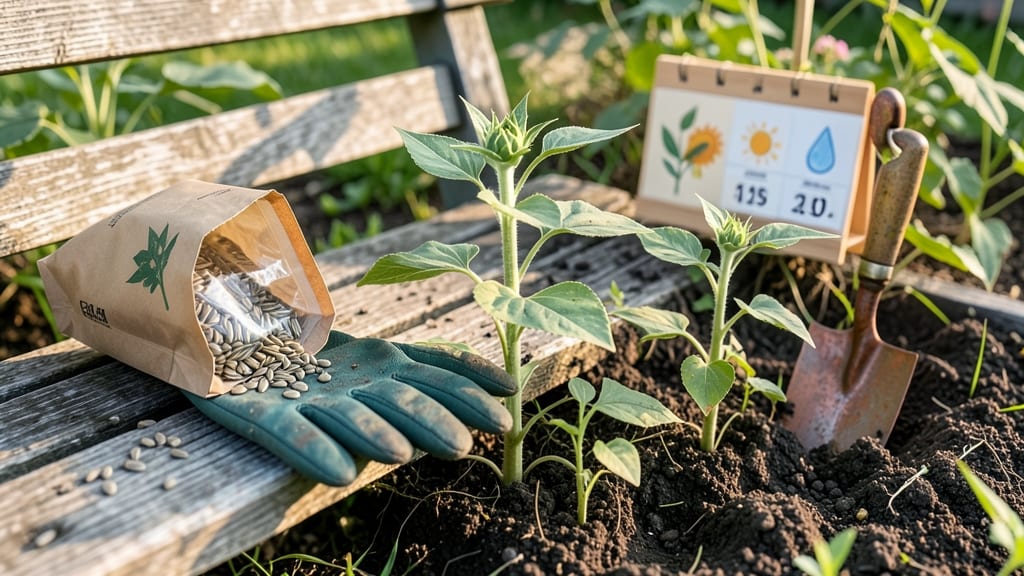
Plant sunflower seeds in Zone 7 after your last frost date, typically between mid-April and early June for towering blooms by summer.
Sunflowers aren’t just stunning—they’re easy to grow, attract pollinators, and thrive in Zone 7 with the right timing. Plant them too early, and frost will strike; too late, and your towering blooms may never appear.
You’ll want to check your local frost dates, since Zone 7 spans from northern Virginia to southern Nebraska, where frost-free windows can vary by two weeks. Most gardeners in this zone aim for soil temperatures above 55°F before sowing.
Here’s exactly when to sow sunflower seeds for a showstopping summer display, including tips on direct sowing vs. starting indoors and post-planting care to ensure those 8–14-foot giants reach their full potential.
Optimal sunflower planting dates in Zone 7 for maximum growth
Sunflowers in Zone 7 need precise timing to reach their stunning 6–12-foot heights. The last frost date (around April 15) and first frost (about October 15) create a 165-day growing window—perfect for these fast growers.
Plant too early, and frost will damage tender seedlings; too late, and blooms may not mature before cold snaps. Let’s pinpoint the exact windows for spring and summer planting to ensure towering success.
For northern Zone 7 (e.g., parts of Virginia, Pennsylvania), aim for mid-May as your earliest safe date. Warmer southern Zone 7 areas (like North Carolina or Georgia) can start as early as early April if soil temperatures hit 50°F+.
Use a soil thermometer—sunflowers need consistent warmth to sprout reliably. I’ve learned the hard way that cold soil delays germination, leaving you with patchy, uneven growth.
A summary table below breaks down the ideal planting windows by region, soil temps, and maturity goals. These dates align with 60–90-day varieties (like 'Mammoth' or 'Autumn Beauty') that dominate Zone 7 gardens. For dwarf varieties (30–50 days), you can push planting into late June for late-summer blooms.
Spring planting in Zone 7 is all about balance. Sow seeds 1 inch deep and 6 inches apart when soil temps stabilize at 50°F+.
In my garden, I mark the calendar for May 15 as my "go date"—this gives most varieties enough time to mature before the first frost. For giant sunflowers (like 'Russian Giant'), start by mid-April in southern areas to ensure they reach 12+ feet.
Don’t overlook summer planting—it’s a game-changer for extended blooms. In late June or early July, sow dwarf or medium-height varieties (e.g., 'Teddy Bear') for late-summer color. These fast growers (30–60 days) can still bloom by September if planted in well-draining soil and given full sun.
I’ve had stunning displays from August-sown sunflowers that lasted until first frost.
Soil temperature is non-negotiable for sunflowers. Use a soil thermometer to confirm 50°F+ before planting—cold soil delays germination by weeks. In my experience, warmer soil (60°F+) speeds up sprouting to just 7–10 days.
Amend heavy clay soil with compost to improve drainage, as sunflowers hate soggy roots. A 5–10–10 fertilizer at planting provides the phosphorus they need for strong roots and stems.
Zone 7’s humidity can be a double-edged sword. While sunflowers tolerate heat well, high humidity increases the risk of powdery mildew if airflow is poor. Space plants 12–24 inches apart (depending on variety) and avoid overhead watering.
I’ve found that morning watering (1–2 gallons per plant) keeps foliage dry longer, reducing fungal risks. Mulch with straw to retain moisture and suppress weeds—sunflowers compete fiercely with other plants for nutrients.
Pro tip: Succession plant every 2–3 weeks from May to July for a continuous display. Start with early-maturing varieties (like 'Early Bird' at 55 days) followed by medium-height types (60–90 days).
This strategy ensures blooms from July through October. I’ve used this method to turn my garden into a pollinator magnet, with bees and butterflies visiting from dawn till dusk.
Finally, watch for late-summer surprises. If you plant after August 1, choose
How to adjust planting times for sunflower varieties by maturity
Sunflowers come in all shapes and sizes, from dwarf varieties perfect for containers to giant sunflowers that reach skyward.
In Zone 7, your planting schedule should match the maturity timeline of each type to ensure blooms before frost. Dwarf varieties mature in just 30–50 days, while giant sunflowers need 90–120 days—so timing is everything!
The key is understanding how sunflower maturity affects your planting window. Early varieties can handle cooler spring soil, while late-blooming giants need the warmth of summer. Succession planting is also your secret weapon for continuous blooms all season long!
| Variety Type | Maturity Days | Zone 7 Planting Window | Succession Planting | Late-Summer Option? |
|---|---|---|---|---|
| Dwarf (e.g., 'Teddy Bear', 'Moulin Rouge') | 30–50 days | Mid-April to early June | Every 2–3 weeks until July | Yes (August sowings) |
| Medium (e.g., 'Autumn Beauty', 'ProCut') | 60–90 days | Late April to early July | Every 3–4 weeks until June | Yes (late July sowings) |
| Giant (e.g., 'Mammoth', 'Russian Giant') | 90–120 days | Late April to early June | Single planting (May) | No (too late) |
For dwarf sunflowers, you can push your luck with late-summer sowings in August—just be sure to choose fast-maturing varieties like 'Teddy Bear' (36 days). These quick-bloomers will still produce flowers before the first frost in Zone 7 (around October 15).
Medium-height sunflowers like 'Autumn Beauty' (85 days) are perfect for succession planting. Sow a new batch every 3–4 weeks from late April through June to enjoy continuous blooms from summer into early fall.
This strategy works especially well in Zone 7 gardens, where the growing season is long but not endless.
Giant sunflowers require the most precision. Plant them in late April to early June for a 90–120-day maturity window. Late sowings won’t work—these giants need the entire summer to reach their towering heights.
If you’re growing 'Russian Giant' (120 days), aim for a May planting to ensure blooms before frost.
Pro tip: Use succession planting to extend your sunflower season. After harvesting early blooms, replant with medium-height varieties in June or July. This keeps your garden buzzing with pollinators and ensures you never miss a sunflower moment!