
Flowers
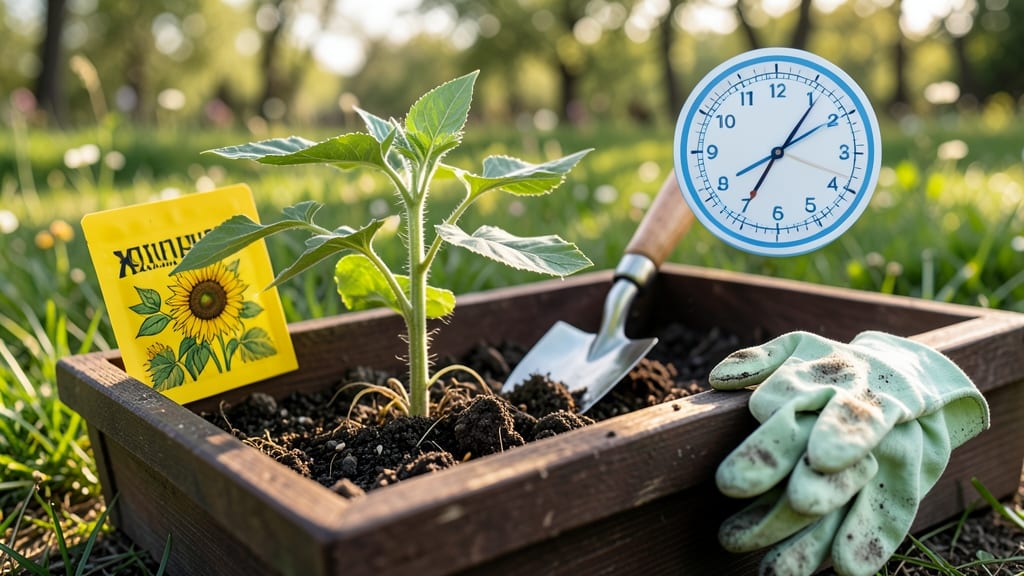
Planting sunflowers in Portland, Oregon, between mid-April and early July ensures they thrive in the 8a climate before fall frosts arrive.
Picture this: you’ve sown your 🌻 seeds with high hopes, only to watch them wilt under unexpected late frosts or bolt in the heat. Portland’s microclimates—from the Willamette Valley’s warmth to the cooler hills—mean timing is everything.
Whether you’re starting seeds indoors for a head start or sowing directly outdoors, the key is reading the soil temperature and frost dates. Too early, and seedlings struggle; too late, and your towering blooms won’t mature before winter.
Below, I’ll break down the exact months to plant, how to adjust for Portland’s quirks, and which sunflower varieties hold up best in the short growing season.
Best planting months for sunflowers in Portland’s climate zones
Portland’s USDA Zone 8a/8b climate creates a unique window for growing sunflowers—just long enough to coax bold blooms before fall frost. Unlike warmer climates, Portland’s cool springs and rainy summers demand precise timing to avoid leggy seedlings or premature death.
The key? Planting when soil temperatures hit 55°F+ and frost risk drops below 10%.
Most gardeners in Portland swear by direct sowing outdoors between mid-April and early July, but indoor starts can push blooms earlier. The average last frost date is April 15, but microclimates near the Willamette River may see frost until May 1.
Always check your specific zone using the Portland Bureau of Environmental Services frost map.
Here’s the exact planting timeline tailored to Portland’s conditions, including soil temperature thresholds and frost probabilities:
For direct sowing, aim for mid-April when soil temperatures consistently stay above 55°F. Use a soil thermometer to confirm—cool soil delays germination and leads to weak seedlings.
In my Portland backyard, I’ve found that planting in late April yields the most robust sunflowers, as the risk of late frost drops significantly.
If you’re starting seeds indoors, begin in late February under grow lights. Seedlings need 12+ hours of light daily to avoid leggy growth. Transplant outdoors only after the average last frost date, which is April 15, but monitor local forecasts—some years, frost lingers until May 1.
Portland’s rainy summers can drown sunflower seedlings if soil stays soggy. To prevent rot, plant in raised beds or mounds with well-draining soil. I always mix in compost to improve drainage while retaining moisture during our July heatwaves. Mulch with straw to keep soil temperatures stable.
For a second crop, try dwarf varieties like 'Moulin Rouge' in early July. These bloom quickly (60–70 days) and often survive until first frost in November. Just be prepared to harvest seeds early if temperatures drop below 40°F.
Pro tip: Mark your calendar for July 4th weekend—this is the ideal time to plant tall varieties like 'Russian Giant' for fall harvests. With 165 frost-free days in Portland, you’ve got just enough time for 120-day varieties to mature.
Watch for slugs and birds after planting—Portland’s damp climate attracts pests. Use row covers for young seedlings and bird netting once flowers appear. A little prevention goes a long way in our garden’s battle against wildlife.
How Portland’s microclimates affect sunflower growth timing
Portland’s diverse neighborhoods create unique growing conditions that can shift your sunflower planting schedule by weeks. The city’s elevation variations—from sea-level St. Johns to Mount Tabor’s 900+ feet—directly impact frost dates and soil warming.
Urban areas like Downtown experience heat islands, while rural outskirts like Beaverton stay cooler. These differences mean your sunflower seeds might sprout 10-14 days earlier on a south-facing hillside than in a shaded backyard.
For gardeners in elevated areas like Sauvie Island or the West Hills, aim to plant 2-3 weeks earlier than the city average. These zones often see earlier last frosts (mid-April) and warmer daytime temperatures, allowing sunflowers to mature faster.
Meanwhile, cooler microclimates like the Columbia River Gorge side may need delayed planting until late May to avoid frost damage to young seedlings.
⚠️ callout warning
Planting sunflowers in St. Johns using Mount Tabor’s schedule can mean frost damage to your blooms. St. Johns (near the river) averages 5°F cooler nights than downtown. Always check your local frost dates—Portland’s USDA Zone 8a average is misleading when you’re in a Zone 7 microclimate.
Action Tip: Use a soil thermometer—sunflowers need 55°F+ soil to germinate. If your soil stays below this for 7+ days, delay planting or use row covers.
To extend your growing season in cooler microclimates, use row covers or cold frames to create a 5-10°F warmer environment. These tools can push your planting window back by 3-4 weeks in areas prone to late frosts.
For example, gardeners in Southeast Portland (like Lents) often use floating row covers to plant sunflowers as early as mid-March, while still protecting seedlings from 32°F nights.
Urban gardeners with limited space should prioritize dwarf varieties like ‘Teddy Bear’ (3-4 ft tall) for containers, as they thrive in smaller microclimates with reflected heat from buildings.
Place these near south-facing walls to maximize warmth. In contrast, tall varieties like ‘Russian Giant’ need wide-open spaces and perform best in rural areas with unobstructed sunlight.
Monitor local weather patterns—Portland’s marine influence brings unpredictable cool snaps even in summer. If your sunflowers are under 12 inches tall when temperatures drop below 40°F, cover them immediately with burlap or frost cloth.
This simple step can save your plants and extend your blooming season by 2-3 weeks.
For late-season blooms, try succession planting in early July—this works surprisingly well in warmer microclimates like Hillsdale or Pearl District. These areas often escape frost until mid-November, giving you a second chance at sunflowers.
Just choose fast-maturing varieties (50-60 days) to ensure they bloom before the first frost.