
Flowers
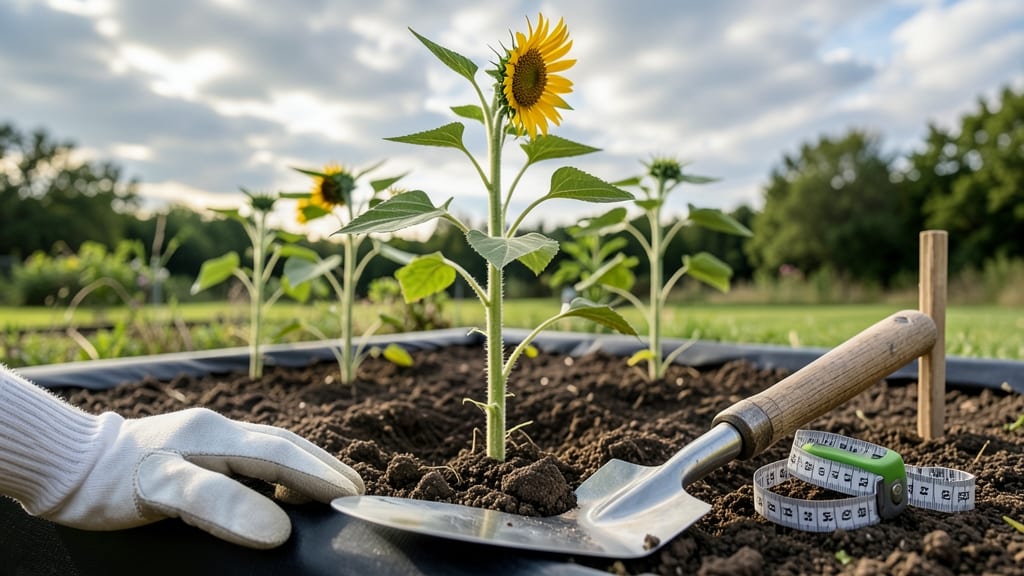
Plant sunflowers in Virginia when the soil reaches 60°F—typically between mid-April and early May, depending on your USDA zone (6b–8a).
Sunflowers bring vibrant color and joy to Virginia gardens, but planting them at the wrong time can mean wilted dreams before they even bloom. Timing is everything—get it right, and you’ll enjoy towering stems and cheerful faces all summer long.
Virginia’s frost dates vary by region, with northern areas like Roanoke often waiting until late April, while coastal zones like Norfolk can start as early as March. The key is avoiding late frosts that kill tender seedlings.
In this guide, I’ll break down the best planting windows by zone, soil prep tips for Virginia’s clay-heavy soils, and how to choose sunflower varieties that thrive in your microclimate—so you can enjoy 12-foot giants by July.
Virginia sunflower planting timeline: frost dates and optimal months
Virginia’s diverse climate means sunflower planting times vary dramatically from the mountains of the northwest to the coastal plains. In Northern Virginia (USDA zones 6b-7a), frost can linger until mid-April, while Southern Virginia (zones 7b-8a) often sees last frosts by early March.
Getting your timing right ensures healthy germination and vibrant blooms all summer long.
Sunflowers thrive when planted after the last average frost date, but they’re also heat-loving annuals that perform best with warm soil temperatures (at least 60°F). Early spring plantings in Central Virginia (zones 7a-7b) can work if you use frost cloth or choose dwarf varieties that tolerate cooler soils.
For maximum success, aim to plant 2-4 weeks after your region’s average last frost date. This gives your soil time to warm up and reduces the risk of frost damage to young seedlings.
In Northern Virginia, that typically means late April to early May, while Southern Virginia gardeners can start as early as mid-March.
Here’s a quick reference for Virginia’s last spring frost dates by region, along with the optimal planting windows for sunflowers:
| Region | USDA Zone | Avg. Last Frost | Optimal Planting Window | Notes |
|---|---|---|---|---|
| Northern VA | 6b-7a | Mid-April | Late April–Early May | Use frost cloth for early starts |
| Central VA | 7a-7b | Early April | Mid-April–Late April | Soil warms faster in urban areas |
| Southern VA | 7b-8a | Early March | Mid-March–Early April | Longer growing season for giant varieties |
| Coastal VA | 8a | Late February | Late February–Early March | Humidity may increase fungal risks |
If you’re eager to start sunflowers indoors, begin 4-6 weeks before your region’s last frost date. Use biodegradable pots and transplant seedlings when they’re 3-4 inches tall. Hardening off seedlings for 5-7 days before transplanting helps them adapt to outdoor conditions and reduces transplant shock.
For direct sowing outdoors, wait until soil temperatures reach 60°F—a simple soil thermometer makes this easy to track.
In Northern Virginia, this often aligns with late April to early May, while Southern Virginia can start as early as mid-March. Late plantings (June or later) can still produce blooms, but expect smaller flowers and shorter stems.
Choose sunflower varieties suited to your region’s growing season length. Dwarf varieties like ‘Teddy Bear’ (3-4 feet) thrive in shorter seasons (Northern VA), while giant varieties like ‘Mammoth’ (12+ feet) need longer summers (Southern VA). Mid-season varieties like ‘Autumn Beauty’ offer a colorful mix and adapt well to Central Virginia’s climate.
After planting, mulch around the base to retain moisture and regulate soil temperature. Sunflowers are drought-tolerant once established, but consistent watering during germination (first 2-3 weeks) is critical. Avoid overhead watering to prevent fungal diseases, especially in humid coastal areas.
Monitor your garden for late spring frosts, which can occur as late as May in Northern Virginia. If frost is forecasted after planting, cover seedlings with frost cloth or a lightweight row cover.
With the right timing, your sunflowers will reward you with months of cheerful blooms and even bird-friendly seeds for fall.
How to adjust sunflower planting for Virginia’s microclimates and soil conditions
Virginia’s diverse geography—from the mountainous Southwest to the Coastal Plain—creates unique growing conditions for sunflowers. The Piedmont region offers warm summers, while coastal areas stay milder and more humid.
Even within these zones, elevation changes and local soil types (clay-heavy in the Piedmont, sandy in the Tidewater) demand adjustments to your planting schedule and care routine.
Sunflowers thrive in well-draining soil with a pH between 6.0 and 7.5, but Virginia’s native soils often need amendments. For example, clay soils in the Piedmont benefit from compost or sand, while sandy Coastal Plain soils may require organic matter to retain moisture.
Understanding these differences helps you extend the growing season and coax late blooms from your sunflowers.
- 1. Piedmont Region (Zones 6b-7a): Plant sunflowers after last frost (mid-April to early May). Use black plastic mulch to warm soil faster in cooler microclimates.
- 2. Coastal Plain (Zones 7b-8a): Start seeds 2-3 weeks earlier (late March) due to milder winters. Choose heat-tolerant varieties like 'Autumn Beauty' for extended blooms.
- 3. Mountainous Southwest (Zone 6a): Wait until after May 15 to avoid late frosts. Opt for shorter varieties (5-6 ft) to prevent wind damage.
- 4. Clay Soil Areas: Amend with compost or gypsum to improve drainage. Plant on mounds to prevent waterlogging.
- 5. Sandy Soil Gardens: Add peat moss or aged manure to retain moisture. Water deeply 2x/week once established.
- 6. Elevation Adjustments: For every 1,000 ft gain, delay planting by 3-5 days. High-elevation gardens benefit from row covers in early spring.
To extend the growing season for late blooms, try succession planting every 2 weeks until mid-July. This works especially well in Virginia’s Coastal Plain, where warmer temperatures persist longer.
For mountainous regions, focus on heat-tolerant varieties like 'Moulin Rouge' or 'ProCut,' which handle Virginia’s humid summers better than standard types.
Pay attention to soil moisture—sunflowers need consistent watering, especially during Virginia’s dry spells. In the Piedmont’s clay soils, mulch heavily to prevent cracking, while Coastal Plain gardens may need drip irrigation to avoid fungal issues from humidity.
Always water at the base of the plant to keep foliage dry and promote strong stems.
Finally, don’t overlook late-season care. In Zone 7b and warmer, you can push sunflowers to bloom into October by providing balanced fertilizer (10-10-10) every 4 weeks.
For cooler mountain areas, harvest seeds before the first frost to enjoy next year’s crop. With these adjustments, your sunflowers will thrive across Virginia’s diverse landscapes.
🌻