
Flowers
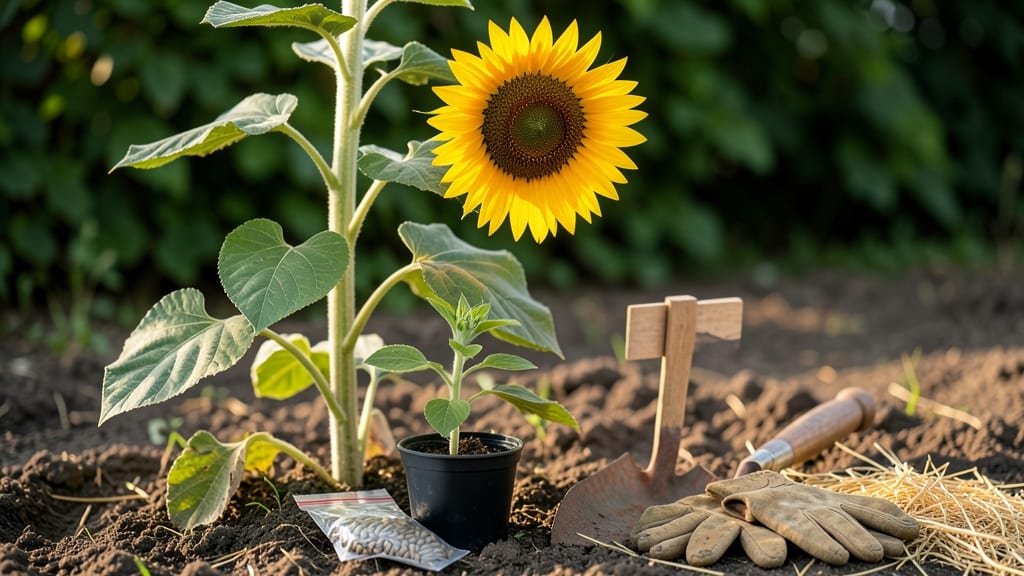
Planting sunflowers in Pennsylvania at the right time means the difference between towering 🌻 blooms and sad, stunted stalks—so timing your seeds to the last frost date is the key.
Picture this: you’ve just planted your sunflower seeds, only to watch them shiver under a late spring frost. Or worse, you wait too long and the summer heat arrives before your sunflowers even get a chance to grow.
That’s why knowing exactly when to plant in your USDA zone (5b-7a) can make or break your garden’s sunshine moment.
In Pennsylvania, the ideal window runs from mid-April to early July, but the real magic happens after the last frost—typically around April 15, though it varies by region.
Whether you’re in Pittsburgh’s cooler hills or Lancaster’s warmer valleys, the right timing ensures your sunflowers have 150-200 frost-free days to reach their full potential.
Below, I’ll break down the exact frost-date guide by zone, share tips for extending your planting season, and help you choose sunflower varieties that thrive in Pennsylvania’s climate—so you can enjoy those showstopping blooms from July to October.
Pennsylvania frost dates by hardiness zone: best sunflower planting windows
Pennsylvania spans USDA hardiness zones 5a through 7a, meaning frost dates vary dramatically from the Poconos to Pittsburgh. In zone 5a, gardeners face late spring frosts until May 15, while zone 7a sees frost-free soil as early as March 20.
Sunflowers (Helianthus annuus) need warm soil (50°F+) and frost-free nights to thrive—plant too early, and you’ll risk stunted growth or death.
Most Pennsylvania gardeners should aim for direct sowing between late April and early July, with transplants ready by May 15. But these windows shift by 2-3 weeks per zone.
Below, I’ve mapped out your zone-specific frost dates and the perfect sunflower planting calendar to maximize your blooms before the first fall frost (mid-October in most areas).
Pro Tip: Use a soil thermometer to confirm soil temps—sunflowers won’t germinate below 50°F, even if air temps feel warm. In cooler zones (5a-5b), wait until May 1 to avoid frost damage.
| USDA Zone | Last Frost Date | First Frost Date | Ideal Planting Window | Transplant Ready By | Frost-Free Days |
|---|---|---|---|---|---|
| 5a (Poconos, NE PA) | May 15 | October 1 | May 1 - June 15 | May 15 | 135-150 days |
| 5b (Central PA) | May 1 | October 10 | April 25 - June 20 | May 1 | 150-165 days |
| 6a (South-Central PA) | April 15 | October 15 | April 15 - July 1 | April 20 | 165-180 days |
| 6b (Pittsburgh, State College) | April 1 | October 20 | April 1 - July 10 | April 10 | 180-195 days |
| 7a (Southwest PA) | March 20 | November 1 | March 20 - July 20 | March 25 | 195-210 days |
*Dates based on 30-year averages; check Almanac’s PA frost calculator for your exact location.
In zone 5a, I recommend sticking to one planting window (May 1-15) to avoid frost risks. But in warmer zones (6b-7a), you can sow seeds twice: once in early spring (April) for early blooms and again in late June for a fall harvest.
For example, in Pittsburgh (zone 6b), planting on April 15 gives you 180 frost-free days—perfect for giant varieties like ‘Mammoth’ (120 days to maturity).
If you’re in zone 7a (southwest PA), you can even try early March sowing under row covers for a June bloom. Just be prepared to remove covers by May 1 to prevent overheating.
I’ve had success with ‘Teddy Bear’ dwarf sunflowers in these early plantings—they tolerate cooler soils better than giant varieties.
For transplants, start seeds indoors 4-6 weeks before your last frost date. In zone 5a, that means March 25-April 1; in zone 7a, you can push it to February 20.
Use biodegradable pots to avoid transplant shock when moving outdoors. Harden off seedlings by placing them outside for 2 hours daily starting 10 days before transplanting.
Watch for late frosts! Even in zone 7a, a surprise frost in April can wipe out young seedlings. Use row covers or cold frames for the first 2 weeks after planting. I’ve lost entire rows of sunflowers to black stem rot when late frosts weakened seedlings—always have a backup planting date (e.g., June 1 in zone 5a).
Once your sunflowers are established, they’re drought-tolerant, but consistent moisture is key during flowering (July-August). In dry years, I water deeply 2-3x per week to encourage tall stems. For container growing, use large pots (12"+ diameter) and a balanced fertilizer (10-10-10) every 4-6 weeks.
By aligning your planting with local frost dates and variety maturity times, you’ll enjoy sunflowers from July through October. In my
How to extend your sunflower season: tips for early/late planting success
Missing Pennsylvania’s ideal May-June planting window doesn’t mean your sunflowers are doomed. With smart strategies, you can push your sunflower season earlier or later by 4-6 weeks—or even salvage late starts. The key is understanding how to protect young seedlings from late frosts and extend warmth for late bloomers.
I’ve tested these methods in my Pennsylvania Zone 6b garden, and they’ve helped me grow sunflowers from early April to mid-July with minimal risk. Whether you’re dealing with cool spring soils or a shortened summer, these techniques will keep your sunflowers thriving when timing isn’t perfect.
- 1 Use row covers for early planting (as early as mid-March). Lay covers over seeds after planting to trap heat and protect from 28°F frosts. Remove when plants reach 6 inches.
- 2 Start seeds indoors 2-3 weeks before your last frost date. Use grow lights for 12-14 hours/day and transplant after soil warms to 50°F. This buys you 3-4 weeks of growing time.
- 3 Try cold frames for late starts. Place frames over seedlings after June 15 to extend warmth. Remove during the day to prevent overheating, but cover again at night to protect from early fall frosts.
- 4 Choose fast-maturing varieties like 'Autumn Beauty' (55 days) or 'Moulin Rouge' (60 days) for late planting. These bloom in half the time of giant varieties, making them perfect for July-August starts.
- 5 Avoid planting too early—cold, wet soil causes rot. Wait until soil temps hit 50°F (use a soil thermometer) even if frost risk remains. Early seeds often linger underground for weeks, delaying growth.
One of my biggest mistakes was planting sunflowers in early April without protection. The 32°F night two weeks later killed my seedlings—until I learned to use row covers. Now, I start with mid-April sowings under cover and supplement with late June succession plantings for continuous blooms through October.
For late starts, focus on water consistency and soil warmth. Use black plastic mulch to raise soil temps by 5-10°F and water deeply every 2-3 days until established. Even a July planting can produce 6-foot sunflowers by frost if given proper care.
Pro tip: Pair your sunflowers with bush beans or marigolds for companion benefits. Beans fix nitrogen in the soil, while marigolds deter pests—both help late-season sunflowers thrive when resources are limited.