
Flowers
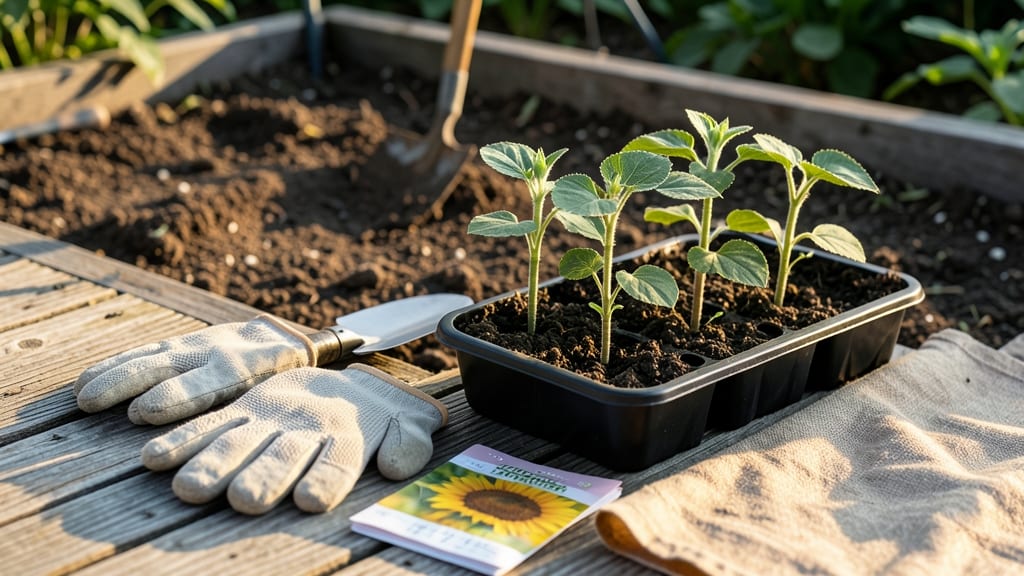
Planting sunflowers in Washington State at the right time means the difference between towering 🌻 stalks and stunted blooms—especially when coastal Seattle’s last frost lingers until mid-March while Spokane’s dry heat arrives by April.
If you’ve ever watched your sunflower seedlings shiver under a late spring frost or bolt in Eastern Washington’s heat, you know timing is everything. The key isn’t just following a calendar—it’s reading your local microclimate, from Puget Sound’s chill to the high-desert’s quick warm-up.
Below, I break down the exact frost dates by USDA zone, soil temperature tricks to speed up germination, and how to stretch your growing season for late bloomers—so your sunflowers reach their full 6-to-12-foot potential before the first frost.
You’ll also learn how to adjust for clay soil in the Willamette Valley, container gardening in Seattle apartments, and why succession planting in July keeps the blooms coming until October.
Washington State sunflower planting dates by USDA zone and frost risk
Washington’s diverse climate means sunflower planting dates vary dramatically from coastal Seattle to high-desert Yakima. In USDA Zone 7b (Seattle), you can start seeds as early as mid-March under protection, while Zone 5 areas (like Snoqualmie Pass) wait until late May to avoid frost.
The key is aligning your planting with soil temperatures of at least 55°F and local frost-free averages.
Sunflowers are annuals that thrive in Washington’s long growing season, but timing matters. Plant too early in cold zones, and seedlings risk frost damage. Plant too late, and you’ll miss the 90-day flowering window for mature blooms.
For direct sowing (recommended for sunflowers), aim for 2–4 weeks after your area’s last frost date. For starter plants, transplant after soil warms to 60°F.
Here’s a region-by-region breakdown to help you pinpoint the best time to plant sunflowers in Washington:
| USDA Zone | Last Spring Frost | First Frost | Ideal Planting Window | Soil Temp Threshold | Notes |
|---|---|---|---|---|---|
| Zone 5 (Snoqualmie Pass, Mt. Rainier) | June 1 | September 1 | Late May–July 15 | 55°F+ | Short season; choose early-maturing varieties (e.g., 'Teddy Bear'). |
| Zone 6b (Seattle, Olympia, Bellingham) | March 15 | October 15 | April 1–June 1 | 50°F+ (coastal) | Cooler soils; use black plastic mulch to warm soil faster. |
| Zone 7a (Spokane, Wenatchee) | April 15 | September 30 | April 15–June 15 | 55°F+ | Dry climate; water deeply after planting. |
| Zone 8a (Yakima, Walla Walla) | March 1 | October 1 | March 15–July 1 | 60°F+ | Long season; can plant succession crops every 2 weeks. |
| Zone 9a (Coastal: Long Beach, Forks) | February 15 | November 1 | February 1–July 1 | 50°F+ | Humid; ensure good drainage to prevent rot. |
In Zone 5 (e.g., Snoqualmie Pass), where frosts linger until early June, I recommend planting dwarf varieties like 'Moulin Rouge' (3–4 ft tall) by late May. These mature in 60–70 days, giving them time to bloom before the first frost.
For Zone 8a (Yakima), you can even plant a second crop in early July for late-summer blooms.
Soil temperature is just as critical as frost dates. Sunflower seeds won’t germinate well in cold soil. Use a soil thermometer to confirm temperatures reach 55°F at a 2-inch depth. In coastal zones, like Bellingham, soil may stay cool longer due to marine influence.
Here, I cover seed beds with clear plastic for 3–4 days to warm the soil faster.
For direct sowing, scatter seeds ½-inch deep and 12 inches apart (closer for dwarf varieties). Thin seedlings to 18–24 inches apart once they’re 4–6 inches tall. If you’re transplanting starter plants, harden them off for 5–7 days before moving them outdoors after the last frost.
Sunflowers hate root disturbance, so use biodegradable pots if transplanting.
In Eastern Washington (e.g., Spokane), where summers are hot and dry, I start seeds indoors in early April to give them a head start. By the time soil warms, they’re already 2–3 inches tall and better equipped to handle
How to adjust sunflower planting for Washington’s microclimates and soil types
Washington’s diverse microclimates can turn sunflower gardening into a challenge if you don’t adjust your planting strategy. From the coastal chill of Seattle to the high-desert heat of Yakima, soil types and elevation create unique growing conditions.
I’ve learned that clay-heavy soils in Western WA need amendments, while sandy soils in Eastern WA drain too quickly. Even urban heat islands can push planting dates earlier than rural areas.
Container gardening adds another layer—balconies in Seattle’s zone 8 might get 6 weeks of growing season before frost, while Spokane’s zone 6 needs earlier starts. For late bloomers like ‘Moulin Rouge’, I’ve extended seasons by choosing dwarf varieties or using black plastic mulch to warm the soil faster.
Let’s break down how to adapt your planting schedule for Washington’s quirks.
- 1
- 2
- 3
- 4
- 5
- 6
For urban gardeners, I’ve found that microclimates within cities can vary dramatically. A south-facing balcony in Bellevue might be 5°F warmer than a shaded yard in Redmond.
Use a sunlight tracker for 3 days to map your spot’s heat exposure—this helps decide if you can plant early varieties like ‘ProCut’ (50-day maturity) or stick to mid-season types.
In Eastern Washington’s high-desert, where Spokane’s zone 6 sees hot days and cold nights, I’ve had success with succession planting every 2 weeks from May to July. The key is watering deeply at dusk to reduce evaporation and using drip irrigation to keep roots consistently moist.
For clay-heavy soils in Western WA, I mix in perlite or coarse sand to improve drainage—this prevents root rot during our wet springs.
If you’re gardening in containers, remember that small pots dry out quickly. I’ve switched to fabric grow bags for my balcony sunflowers—they retain moisture better than plastic and allow roots to breathe.
For elevated areas like Snoqualmie Pass, I plant cold-tolerant varieties like ‘Russian Mammoth’ and cover them with frost blankets until soil warms to 50°F.
One trick I’ve learned for late-season bloomers is to use row covers or cold frames to extend the growing window. In