
Companion Plants
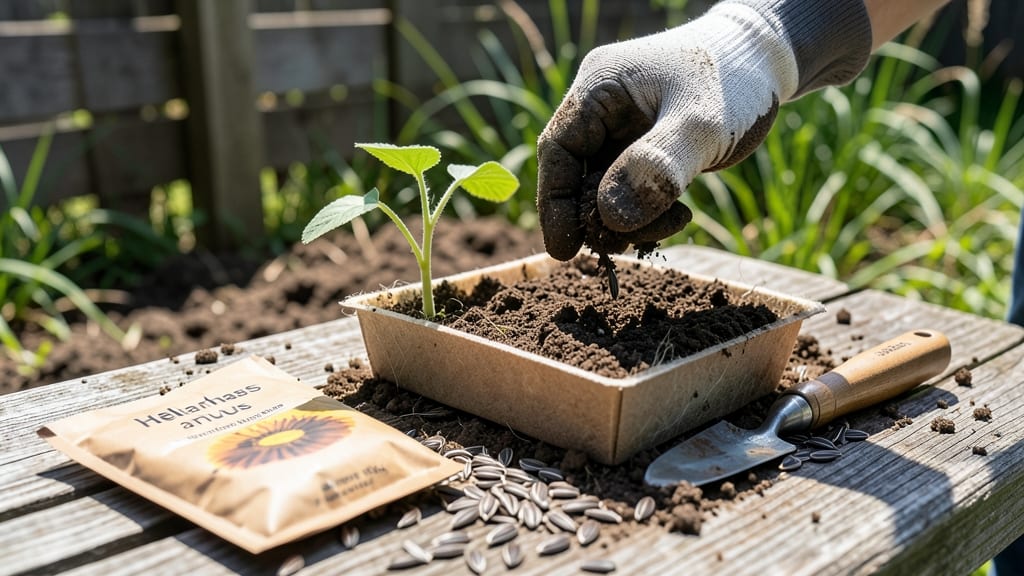
Planting sunflower seeds in North Carolina at the right time ensures towering blooms 🌻 and healthy growth, but timing matters more than you might think.
Miss the window, and you could end up with stunted plants or no flowers at all—especially in zones 6a to 8b, where frost dates shift dramatically from the mountains to the coast.
The key is planting between April 15 and June 15 for spring blooms or July 1 to August 15 for a summer show.
North Carolina’s microclimates—like the Piedmont’s cooler nights or the Coastal Plain’s humidity—mean your neighbors might have different success even just a few miles away. That’s why I’ll break down the exact months for each USDA zone, soil prep tips, and how to adjust for your local conditions.
By the end, you’ll know not just when to plant, but how to set your sunflowers up for success from seed to 14-foot giants—or even better, a continuous harvest from July through October.
North Carolina sunflower planting calendar by USDA zone and frost dates
North Carolina’s diverse climate—from the cool mountain zones of the west to the humid coastal plains—means sunflower planting times vary dramatically. To maximize your sunflower blooms, timing is everything. The USDA zones 5a-8a in NC create distinct windows for planting, with soil warmth and frost dates dictating success.
Plant too early, and frost will kill tender seedlings; too late, and your sunflowers may bolt before reaching their towering potential.
Sunflower seeds need consistent soil temperatures above 70°F to germinate, which typically occurs in late April to early June across most of NC. However, zones like 8a (Coastal Plain) can start as early as March 15, while 5a (Mountains) may wait until May 1.
Below, I’ve broken down the exact planting windows for each zone, plus strategies for extended blooms through late summer.
Pro Tip: Use black plastic mulch or row covers in cooler zones to warm soil faster and jumpstart germination. This trick can shave off 2-3 weeks from your planting timeline in USDA zones 5a-6a.
| USDA Zone | Last Frost Date | Ideal Planting Window | Soil Temp for Germination | Late-Season Option |
|---|---|---|---|---|
| 5a (Mountains: Boone, Asheville) | May 1 | May 15 – June 15 | 70–75°F | July 15 (dwarf varieties) |
| 6a (Piedmont: Raleigh, Greensboro) | April 15 | April 20 – May 30 | 70–80°F | July 1 – August 1 |
| 6b (Coastal Piedmont: Fayetteville) | April 1 | March 25 – May 15 | 70–85°F | June 15 – July 15 |
| 7a (Southeast: Charlotte, Wilmington) | March 15 | March 1 – April 30 | 70–85°F | June 1 – August 10 |
| 7b (Coastal Plain: Wilmington, Jacksonville) | February 28 | February 15 – April 15 | 70–90°F | May 15 – August 15 |
| 8a (Outer Banks, Eastern NC) | February 1 | January 15 – March 31 | 70–90°F | April 1 – September 1 |
*Late-season options focus on heat-tolerant varieties like 'Autumn Beauty' or 'ProCut' for continuous blooms.
For continuous sunflower blooms, I recommend a two-phase planting strategy. Start with early-season varieties (like 'Teddy Bear') in March-April for zones 7a-8a, then follow up with mid-to-late season types (like 'Moulin Rouge') in June-July.
This ensures you’ll have sunflowers in bloom from June through October, even in shorter growing seasons.
If you’re in USDA zone 5a, focus on dwarf or semi-dwarf varieties (3-6 feet tall) to avoid wind damage and ensure they mature before the first frost. Varieties like 'Sunspot' or 'Little Becka' are perfect for these cooler zones.
In warmer zones (7b-8a), you can experiment with giant sunflowers like 'Russian Giant' or 'Mammoth', but give them extra space (24+ inches apart) and stake them if needed.
One common mistake I see is planting sunflowers too close together. While they’re not picky about spacing, overcrowding leads to smaller blooms and pest issues. Aim for 12-24 inches apart, depending on the variety.
For example, 'Autumn Beauty' (a favorite in NC) needs 18 inches, while 'Teddy Bear' can handle 12 inches.
For container gardening, choose dwarf varieties and use
How to adjust sunflower planting for North Carolina’s microclimates and soil types
North Carolina’s diverse regions—from the Piedmont’s rolling hills to the Coastal Plain’s sandy soils—create unique challenges for sunflower growers. The same variety planted in Asheville’s cooler climate may struggle in Wilmington’s heat, while clay-heavy soils in Raleigh require different prep than the loose sands of Outer Banks.
Let’s break down how to tailor your approach for maximum success.
First, identify your microclimate zone. The Piedmont region (USDA zones 7a-7b) typically has warmer summers and longer growing seasons, while the Coastal Plain (zones 8a-8b) experiences hotter, more humid conditions with sandy, fast-draining soils.
Even within these zones, urban heat islands or shaded spots can shift your planting strategy by 2-3 weeks—so observe your garden’s microclimate for a week before committing to a schedule.
✅ NC Sunflower Planting Adjustments
Soil: Loamy-clay
pH: 6.0-7.0
Spacing: 18-24" apart
Soil: Sandy-loam
pH: 6.5-7.5
Spacing: 12-18" apart
Pot Size: 12"+ diameter
Drainage: Essential
Fertilizer: Monthly light feed
☀️ Sun Needs: 6+ hours daily—adjust planting time if shaded.
🌿 Companion Plants: Marigolds (pest control), basil (growth boost).
Soil type dictates everything from planting depth to watering frequency. In clay-heavy soils (common in the Piedmont), loosen the top 12 inches with a broadfork or till in 3 inches of compost to improve drainage.
For sandy soils (Coastal Plain), mix in peat moss or coconut coir to retain moisture and nutrients. Test your soil’s pH—sunflowers prefer 6.0-7.5. If your soil is too acidic (<6.0), add lime; if alkaline (>7.5), work in sulfur or pine needles.
Spacing matters, especially in container gardens or high-density plantings. In open-ground gardens, space seeds 12-18 inches apart for standard varieties, but 24 inches if you’re growing giant sunflowers like ‘Russian Giant’. For containers, use one seed per 12-inch pot—sunflowers have deep taproots and need room to establish.
If planting in rows, leave 3 feet between rows for easy access and airflow, which reduces powdery mildew risk.
Companion planting can double your success rate in NC’s humid summers. Pair sunflowers with marigolds to deter aphids and squash bugs, or basil to improve growth and flavor if you’re growing edible varieties.
Avoid planting near potatoes or tomatoes, as sunflowers compete for nutrients and can stunt their growth. For container gardens, interplant with nasturtiums—they repel pests and add vibrant color without competing for space.
Finally, adjust your watering schedule based on soil type. Clay soils hold moisture longer, so water every 5-7 days once established, while sandy soils dry out quickly—water every 2-3 days in summer. In containers, check soil moisture daily; sunflowers wilt faster in pots.
Always water deeply in the morning to prevent fungal diseases like downy mildew, which thrives in evening moisture on foliage.
With these adjustments, your sunflowers will thrive regardless of NC’s microclimates—whether you’re in the cool mountains or the hot coastal plains.
Start with soil prep, watch for local microclimate cues, and soon you’ll have towering blooms that attract pollinators and brighten your garden from summer to fall. 🌻