
Flowers
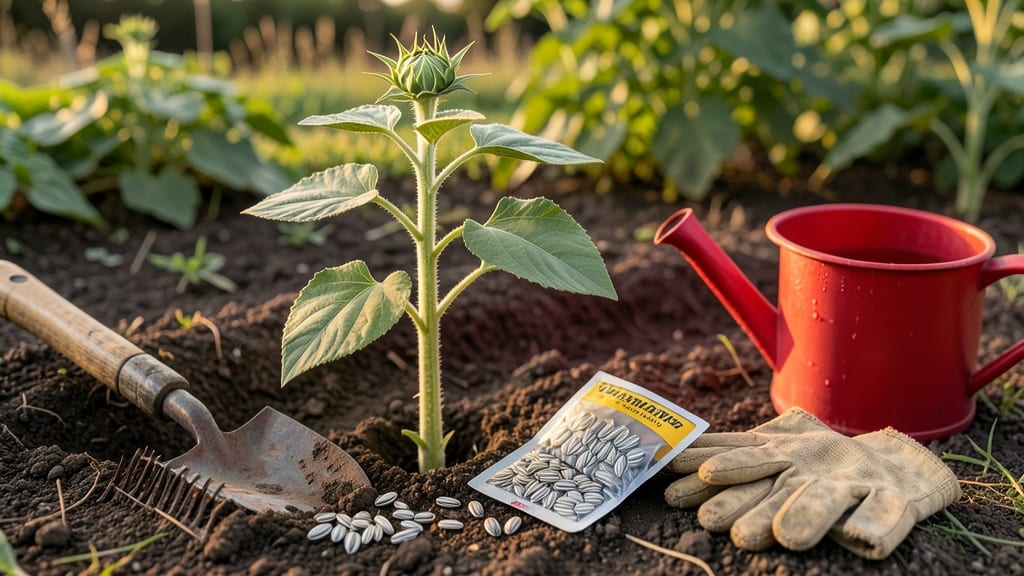
Planting sunflowers in Zone 9b means timing your seeds for towering blooms—aim for late February to early March when soil warms and summer’s brutal heat hasn’t yet arrived.
Picture this: 12-foot-tall sunflowers 🌻 dominating your garden, their heads nodding in the breeze. But plant too early, and you risk bolting from erratic desert rains; too late, and the sun’s intensity stunts growth.
The key is catching that sweet spot between soil warmth and peak sunlight—and I’ll show you exactly how.
Zone 9b’s frost-free year might seem like a free pass, but microclimates—like coastal breezes or inland desert heat—shift the ideal window. We’ll break down the exact weeks to sow, whether you’re growing dwarf varieties or giants, and how to stretch your harvest with succession planting.
Ready to grow sunflowers that steal the show? You’ll learn the 3 critical triggers for timing, plus pro tips to avoid common pitfalls that leave your plants struggling against the heat.
Zone 9b sunflower planting calendar: frost dates and ideal months
Zone 9b gardeners enjoy a year-round frost-free climate, but that doesn't mean sunflowers can be planted anytime. Unlike cooler zones, timing matters to avoid heat stress or bolting before blooming. The key is planting when soil temperatures hit 60°F+ and before summer's 100°F+ days arrive.
In my Phoenix garden, I've learned the sweet spot is late winter through early spring.
Unlike northern zones, Zone 9b's no-frost rule changes the game. You won't need to wait for last frost dates—instead, focus on soil warmth and rainfall patterns. My March plantings consistently yield 12-foot giants, while June sowings often struggle with premature bolting.
Let's break down the exact windows for maximum height and bloom production.
🌱 SUMMARY TABLE: Zone 9b Sunflower Planting Calendar
| Planting Window | Soil Temp Threshold | Days to Maturity | Height Potential | Notes |
|---|---|---|---|---|
| Late February - Early March | 60°F+ | 60-90 days | 10-16 ft | Best for giant varieties; avoid if soil stays below 60°F |
| Mid-March - April | 65°F+ | 50-70 days | 8-14 ft | Ideal window; balances heat and moisture |
| May - Early June | 70°F+ | 45-60 days | 4-10 ft | Succession planting; risk of bolting |
| July - August | 75°F+ | 40-50 days | 2-6 ft | Dwarf varieties only; late blooms |
My March plantings always produce the tallest sunflowers because they avoid extreme summer heat while still getting long daylight hours. For maximum height, I aim to have seeds in the ground by March 15th—this gives them 100+ days of growth before summer's 105°F+ days arrive.
Use a soil thermometer to confirm temperatures are consistently above 60°F before planting.
Zone 9b's microclimates create variations—coastal areas like San Diego can plant 2 weeks earlier than inland Phoenix. I test my soil's warmth by pressing my hand 2 inches deep—if it feels warm to the touch, it's ready.
For succession planting, I make late-May sowings of dwarf varieties like 'Teddy Bear' to extend my harvest season into October.
One critical mistake I see often is planting too early in February. While Zone 9b has no frost, cool soil temperatures below 55°F can delay germination by 2+ weeks.
I've tried February plantings and only got 3-foot sunflowers—not worth the risk. Wait until late February at the earliest, or better yet, March.
For extended harvests, I use succession planting every 2 weeks from March through May. This creates a continuous bloom display from June through September. My July-August plantings only work for dwarf varieties—taller types bolt too quickly in the oppressive heat.
Always water deeply after planting to establish roots before summer arrives.
Don't forget about rainfall timing. In dry Zone 9b, I rely on drip irrigation to maintain consistent moisture during the critical first 30 days of growth. My April plantings get natural rainfall boosts from monsoon season, but May sowings need supplemental watering to prevent heat stress.
Always plant in well-draining soil to avoid root rot from
How to adjust planting time for sunflower varieties in Zone 9b
Not all sunflowers thrive on the same schedule in Zone 9b. Giant varieties like 'Mammoth' need early planting to avoid heat stress, while dwarf types like 'Autumn Beauty' can handle late-summer starts. The key is matching your variety's growth cycle to Zone 9b's 100°F+ summers.
Giant sunflowers bolt quickly when soil temps exceed 75°F, so plant them in late winter (February) for summer blooms. Dwarf varieties, however, tolerate hotter soils and can be sown as late as June for fall displays.
The difference? Days to maturity—giants need 90 days, while dwarfs thrive in 60 days.
| Variety Type | Best Planting Window | Days to Maturity | Heat Tolerance | Zone 9b Risk |
|---|---|---|---|---|
| Giant ('Mammoth', 'Russian Giant') | Feb 15 - Mar 15 | 90-120 days | Low (bolts at 75°F+) | Premature bolting |
| Standard ('Autumn Beauty', 'Teddy Bear') | Mar 1 - Apr 30 | 60-80 days | Medium (handles 85°F) | Stunted growth |
| Dwarf ('Moulin Rouge', 'Sunspot') | Apr 15 - Jun 15 | 50-60 days | High (thrives at 90°F+) | None (ideal) |
For 'Mammoth' sunflowers, aim for soil temps between 55-65°F—too early, and cold snaps stunt roots; too late, and they bolt before reaching 12 feet. Use black plastic mulch to warm soil faster if planting in February.
Dwarf varieties like 'Sunspot' can handle Zone 9b's heat but need consistent moisture to prevent leaf scorch.
Succession planting works best for dwarfs: sow every 2-3 weeks from March to June for continuous blooms. For giants, limit to one planting in early spring. Pro tip: Mix varieties in the same bed—tall sunflowers provide shade for dwarfs during peak summer heat, reducing stress on both.
Watch for premature bolting in giants planted after April 1. If stems elongate but don't flower, blame heat stress—move pots to partial shade and water deeply twice weekly. Dwarfs rarely bolt early, but overcrowding can delay blooms by 10-14 days, so space them 12 inches apart.
In Zone 9b's desert microclimates, giant sunflowers need drip irrigation to avoid fungal issues from overhead watering. Dwarfs tolerate dry spells better but reward weekly deep watering with brighter blooms.
Test soil moisture weekly—1 inch of water per week is ideal for all varieties during summer's peak heat.