
Flowers
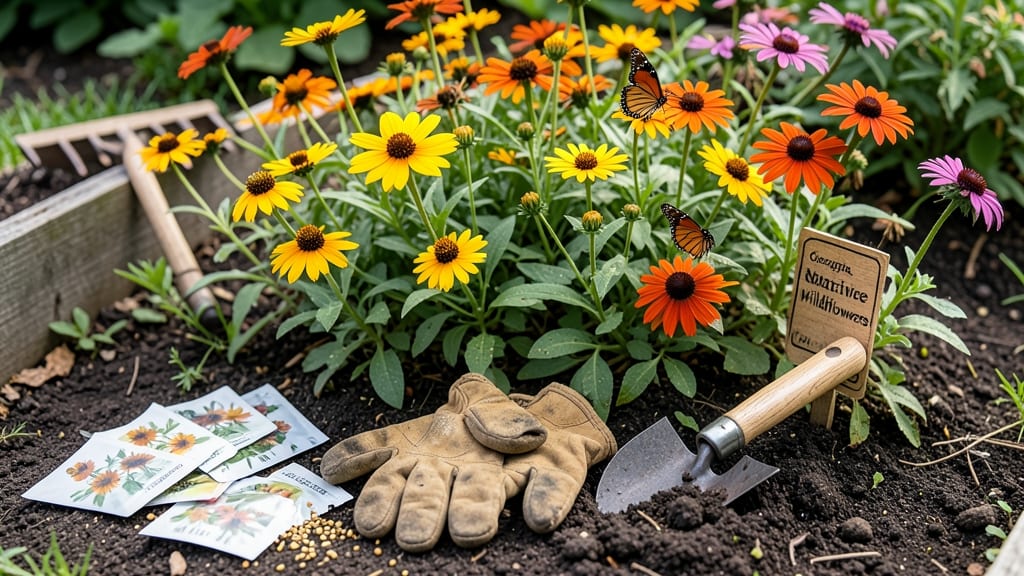
Planting wildflowers in Georgia at the right time ensures vibrant blooms and thriving pollinators 🌼 — aim for late winter through early spring or late summer to early fall, depending on your USDA zone.
Georgia’s diverse climate—from the humid coastal plains to the cooler Appalachian foothills—means wildflower planting timing can make or break your blooms. Plant too early, and frost zaps your seeds; too late, and summer heat steals their chance to thrive.
Whether you’re in the Piedmont’s 7b zone or the Coastal Plain’s 8a, this guide breaks down the best months for each region, plus soil prep tips to help your wildflowers take root without the guesswork.
Discover how to time your planting for peak blooms, choose the right species for your area, and avoid common mistakes that waste seeds and effort.
Georgia’s wildflower planting calendar by USDA Zone and season
Georgia’s wildflower planting success hinges on timing and USDA zone awareness. The state spans Zone 7a in the mountains to Zone 8b along the coast, creating dramatic differences in frost dates and growing seasons.
For example, Blue Ridge areas may see frost until April 15, while Savannah typically warms up by February 15. Understanding these variations ensures your wildflowers establish strong roots before extreme heat or cold arrives.
Most Georgia gardeners focus on two planting windows: spring (February–April) and fall (August–September). Spring planting gives annuals a head start, while fall-sown seeds often germinate better in cooler temperatures. Perennials, like Black-Eyed Susans or Coneflowers, thrive when planted in early fall to develop deep roots before winter.
Adjust your schedule based on whether you’re sowing native species (hardier) or ornamental mixes (more delicate).
Frost-free dates are your best guide. In Zone 7a (e.g., Dahlonega), wait until April 1 to plant heat-loving annuals like Sunflowers. In Zone 8b (e.g., Savannah), you can start as early as February 15. Coastal areas also benefit from earlier spring planting due to milder winters. Use these zone-specific adjustments to avoid frost damage or heat stress.
For annual wildflowers, prioritize spring planting in Zone 8a/8b to enjoy summer blooms. Start seeds indoors in January for varieties like Marigolds or Sunflowers, then transplant after the last frost.
In Zone 7a, delay until April 15 to avoid frost. Fall planting of annuals is riskier but works for cool-season varieties like Sweet Alyssum, which bloom until first frost in November.
Perennial wildflowers follow a different rhythm. Plant them in early fall (August–September) to give roots time to establish before winter. In Zone 7a, aim for September 1–15; in Zone 8b, extend to October 1. Perennials like Butterfly Weed or Purple Coneflower reward patience with multi-year blooms. Avoid spring planting for perennials—they often struggle with summer heat before rooting.
Georgia’s coastal regions (e.g., Tybee Island) offer unique opportunities. Plant spring-blooming annuals like Petunias as early as January 15 for February–March color. Inland areas like Macon should wait until February 20. Succession planting—sowing new seeds every 2–3 weeks—extends blooms from spring to fall in all zones.
This strategy works especially well for heat-loving species like Zinnias.
Don’t overlook preparation steps that vary by zone. In clay-heavy Piedmont soil (e.g., Zone 7b), loosen soil to 6 inches deep and mix in compost before planting. Coastal areas with sandy soil benefit from mulching to retain moisture. Always water deeply after sowing—especially in
Best wildflower species for Georgia’s climate and when to sow them
Georgia’s wildflowers thrive when planted at the right time, but the USDA zones 7a-8b create unique windows for each region. Zone 7b gardeners in Atlanta should focus on spring planting (March-April), while Zone 8a areas like Savannah can extend into early fall (August-September).
Native species like Black-Eyed Susans and Coreopsis adapt beautifully to Georgia’s heat and humidity when sown correctly.
For year-round blooms, I recommend a mix of spring-blooming perennials (like Purple Coneflower) and fall-sown annuals (such as Mexican Sunflower). This succession planting strategy ensures your garden stays vibrant from March through November, even during Georgia’s scorching summers.
Sunlight needs vary, but most Georgia wildflowers crave full sun (6+ hours daily). Partial shade works for wild columbine in North Georgia’s cooler microclimates, while blanket flower thrives in coastal plains’ intense sunlight. Always check your specific species’ preferences before planting.
🌱 Georgia Wildflower Planting Guide by Zone & Species
- Zone 7a-7b (Atlanta, North GA): Plant Black-Eyed Susans and Coreopsis in March-April for summer blooms. Fall sowing (September) works for Aster varieties.
- Zone 8a (Savannah, Coastal GA): Extend planting to August-September for Mexican Sunflower and Salvia. Avoid spring planting due to humidity risks.
- All Zones: Wild Bergamot self-seeds easily—plant in spring or fall for 3-season blooms. Sunlight tip: 6+ hours daily for best results.
- Succession Tip: Sow annuals every 6 weeks (starting March) to extend blooms until frost. Perennials need 1-2 years to establish.
- Soil Prep: Loosen top 6 inches of soil and mix in compost before sowing. Clay-heavy areas? Add sand for drainage.
My top Georgia-native picks include Partridge Pea (drought-tolerant, blooms July-November) and Butterfly Milkweed (monarch magnet, thrives in Zone 7a-8b). For shady spots, try Wild Ginger or Virginia Bluebells, which bloom in spring before trees leaf out.
To maximize blooms, I recommend light fertilizing in spring and fall (use 5-10-10 NPK) and deep watering (1 inch weekly) until established. Mulch helps retain moisture and suppress weeds—critical in Georgia’s hot summers.
Don’t forget to deadhead spent blooms to encourage prolonged flowering. For wildflower meadows, let some seeds self-sow naturally—it creates a low-maintenance, pollinator-friendly landscape that thrives for years. Happy planting! 🌻