
Planting
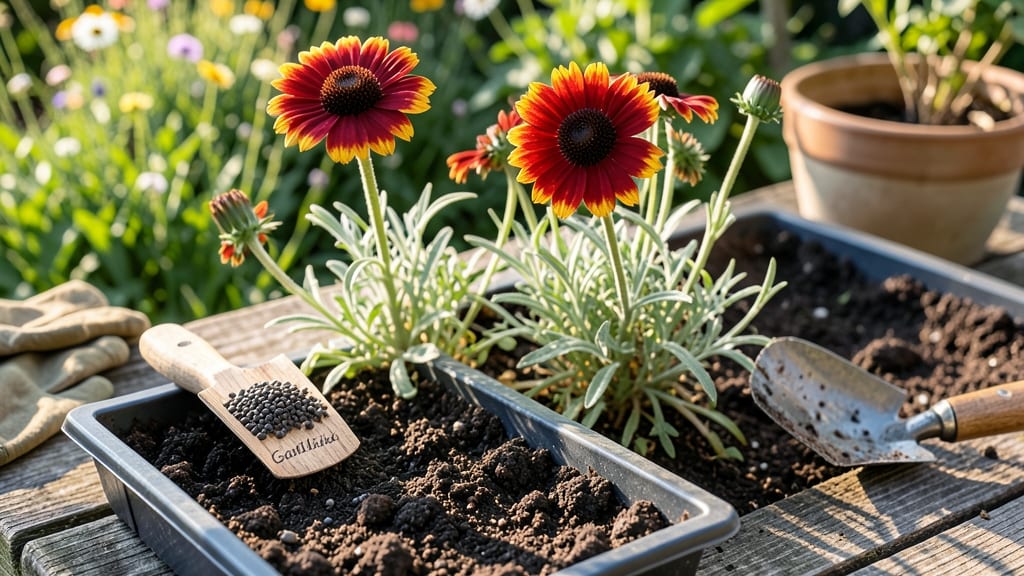
Planting blanket flower seeds 🌼 at the right time ensures vibrant summer blooms that last for months — and missing the window can leave you with leggy, weak plants that never reach their full potential.
If you’ve ever watched your garden beds fill with underwhelming flowers that fade too soon, you know timing is everything. Blanket flowers thrive when planted after the last frost, but the exact moment depends on your USDA zone, soil temperature, and even your local climate quirks.
In Zone 6a (like much of the Midwest), that means mid-spring to early summer, but gardeners in warmer zones like 8-11 can push planting into late summer for fall blooms. Below, I break down the best windows, soil prep tips, and how to adjust for early or late seasons.
You’ll learn how to read your soil’s readiness, whether to start seeds indoors, and the one mistake that kills germination before it begins. Let’s get those seeds in the ground at the perfect moment.
Best planting times for blanket flower seeds by USDA zone
Blanket flowers (Gaillardia) thrive when planted at the right time, and your USDA zone determines the perfect window. In cool climates (zones 3-6), aim for 3-6 weeks before your last frost date—typically late April to early May.
For warmer zones (7-11), late summer planting (August-September) works best to avoid summer heat stress.
Timing matters because blanket flowers need consistent warmth to germinate and 6+ hours of sunlight daily to bloom. Planting too early in cold zones risks frost damage, while late planting in hot zones can lead to leggy, weak seedlings. Let’s break it down by zone for foolproof results.
🌱 Pro Tip: Check your last frost date (via Almanac’s Frost Calculator) and count backward to plan your spring sowing.
| USDA Zone | Spring Planting Window | Fall Planting Window | Soil Temp Requirement | Heat Tolerance |
|---|---|---|---|---|
| Zones 3-5 | April 15–May 15 (after last frost) | August 1–September 15 | 55–65°F (13–18°C) | Moderate (needs afternoon shade in summer) |
| Zones 6-7 | March 20–April 30 | July 15–August 30 | 60–70°F (16–21°C) | High (drought-tolerant once established) |
| Zones 8-9 | February 15–March 15 (or fall) | June 1–July 15 | 65–75°F (18–24°C) | Very High (thrives in heat) |
| Zones 10-11 | Year-round (best in fall/winter) | September–November | 70–80°F (21–27°C) | Exceptional (no frost risk) |
In zones 3-5, where winters are harsh, focus on spring planting after frost—typically mid-April to mid-May. The soil should be at least 55°F (13°C) for germination. For fall planting, aim for August-September to give seedlings time to establish roots before winter.
Gardeners in zones 6-7 have flexibility: plant in late March to April for spring blooms or July-August for fall color. These zones benefit from drought tolerance once established, making them ideal for low-maintenance gardens.
For southern zones (8-11), blanket flowers are heat lovers. Plant in late winter (February-March) or fall (September-November) to avoid summer’s peak heat. Soil temps should be 65°F+ (18°C+)—use a soil thermometer to check before sowing.
If you’re in a transition zone (e.g., Zone 7b), split your planting: sow half in spring and half in fall for continuous blooms. This staggered approach also reduces pest pressure and extends the flowering season into early frost.
Always direct-sow seeds—blanket flowers hate transplanting. Scatter seeds ¼ inch deep in well-draining soil and space them 12–18 inches apart. Thin seedlings to avoid overcrowding, which leads to fewer, smaller blooms.
After planting, keep soil moist but not soggy until seedlings emerge (usually 7–14 days). Once established, blanket flowers are drought-resistant, but regular watering in their first month ensures strong roots.
For container gardening, use fast-draining pots and plant in late spring after nighttime temps stay above 50°F (10°C). Containers dry out faster, so water daily until roots establish (about 4 weeks).
🌼 Final Tip: Deadhead spent blooms to encourage non-stop summer color and protect plants from late-season frost by covering them with row fabric when temps drop below 28°F (-2°C).
How to adjust planting dates for early or late blooms
Want your blanket flowers to bloom earlier or later in the season? Adjusting planting dates is the secret to extending their vibrant display. By using staggered sowing or fall planting, you can transform a single-season show into a year-round garden highlight.
Let’s explore how to fine-tune your schedule for zones 7-11 and beyond.
For early blooms, start seeds indoors 6-8 weeks before your last frost date. This gives seedlings a head start and ensures they’re ready to transplant as soon as soil warms.
In zones 7-11, where frost is rare, focus on late winter sowing (February-March) to catch the first wave of summer heat.
If you’re in a hotter zone (9-11), consider succession planting every 3 weeks to maintain color. Blanket flowers thrive in heat but may bolt prematurely if sown too early. For fall-blooming varieties, try 'Goblin' or 'Mesa Red'—they handle cooler temps better than standard types.
Pro tip: Mulch newly planted seeds with straw or pine needles to retain moisture and regulate soil temperature. This is especially helpful in zones 7-8, where spring can be unpredictable. With these adjustments, your blanket flowers will bloom like clockwork all season long!
Don’t forget to deadhead spent blooms to encourage continuous flowering. A little extra care goes a long way in extending your garden’s summer spectacle. 🌼