
Flowers
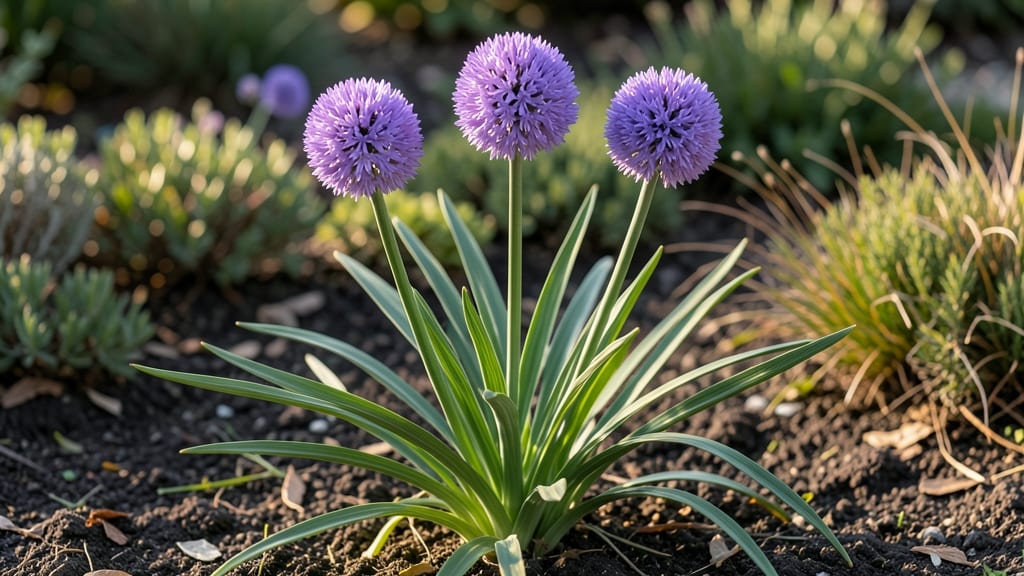
Allium flowers bloom at different times depending on the species and your USDA zone, turning your garden into a sequential showstopper from late winter to summer.
Picture this: March brings delicate Allium christophii with their starburst blooms, while June delivers towering Allium giganteum globes that steal the spotlight. But timing isn’t just about months—it’s about microclimates and the right care.
In Zone 6a, where many gardeners live, most alliums pop in April or May, but cooler zones like Zone 3 may see them a full month later. The key? Planting depth, soil prep, and even last frost dates can shift bloom windows by weeks.
Below, I break down the exact bloom periods for 10 top varieties, how to nudge them earlier or later, and the simple tricks that keep them flowering for weeks—not days.
Allium flower bloom time by USDA Zone: exact months for popular varieties
Alliums are garden superstars with their dramatic spherical blooms and long stems, but their bloom timing shifts dramatically across USDA zones 3-10. Whether you're growing globe alliums or drumstick varieties, knowing when to expect those showstopping flowers helps you plan your garden's seasonal highlights.
Let's break down the month-by-month bloom windows for popular varieties by zone.
In cooler northern zones (3-5), alliums often bloom earlier in the season—sometimes as early as late March or April—while warmer southern zones (8-10) may see blooms stretching into late summer or early fall.
The key is understanding how temperature fluctuations and daylight hours trigger blooming in these perennial favorites.
| Variety | USDA Zones 3-5 | USDA Zones 6-7 | USDA Zones 8-10 | Height (ft) |
|---|---|---|---|---|
| Allium 'Globemaster' (Globe) | May-June | April-May | March-April | 2-3 |
| Allium 'Purple Sensation' (Drumstick) | June-July | May-June | April-May | 3-4 |
| Allium 'Christophii' (Star) | April-May | March-April | February-March | 1-2 |
| Allium 'Giganteum' (Giant) | June-July | May-June | April-May | 4-5 |
| Allium 'Schubertii' (Pink Star) | May-June | April-May | March-April | 1-2 |
| Allium 'Molys' (Golden Star) | April-May | March-April | February-March | 1 |
For USDA zones 3-5, early bloomers like Allium christophii and Allium moly often push through late-winter snow to bloom in April or May. These hardy varieties thrive in cool spring temperatures and can handle light frosts after blooming begins.
In my Zone 4 garden, I've seen Allium 'Globemaster' open its purple spheres by mid-May, adding crucial early color before perennials wake up.
In moderate zones 6-7, the bloom window shifts 1-2 months earlier. Allium giganteum, with its football-sized blooms, typically opens in late May or June, while drumstick alliums like 'Purple Sensation' follow in June-July.
The longer daylight hours of summer trigger these late-season bloomers, making them perfect for cut flower arrangements that last through July 4th celebrations.
Southern gardeners in zones 8-10 enjoy the longest bloom season, with some varieties flowering as early as February. Allium 'Molys', a dwarf variety, often blooms in late winter, while Allium 'Giganteum' stretches its summer display until early August.
In Zone 9, I've noticed Allium 'Schubertii' blooms in March, providing early pollinator support when few other flowers are available.
If you're planning a staggered bloom sequence, combine early spring varieties like Allium christophii with late summer types like Allium 'Purple Sensation'. This creates a continuous floral display from April through August, depending on your
How to extend Allium bloom time: pro tips for longer-lasting flowers
Want your allium flowers to bloom earlier, later, or simply last longer? The secret lies in strategic planting, soil preparation, and ongoing care. By adjusting your approach, you can transform a 2-week bloom window into a 6-week floral show.
Let me share my proven techniques to maximize allium blooms in your garden.
First, timing is everything. Planting allium bulbs in fall (6-8 weeks before frost) gives them a head start, while spring planting (early March) extends summer blooms. For drumstick alliums, try staggered planting—install half in early fall and half in late winter for sequential blooms.
This simple trick creates a cascading effect that keeps your garden vibrant.
5 Pro Tips to Extend Allium Bloom Time
Troubleshooting is key to avoiding short bloom periods. If your alliums bloom weakly or not at all, check for these common issues: poor soil drainage (they hate soggy roots), lack of sunlight, or crowded planting.
Amend heavy clay soil with compost or sand, and space bulbs 6-12 inches apart for airflow.
For late-season bloomers, try planting Allium sphaerocephalon (starry allium) in early summer. These varieties naturally extend the season into early fall. Pair them with Allium moly (lambs’ ears allium) for a spring-to-summer display. With these strategies, your alliums will reward you with months of drama—not just weeks!
Pro tip: Take cuttings when buds begin to swell for longer vase life. Harvest stems early in the morning, and change water every 2-3 days to keep blooms fresh for up to 2 weeks indoors. Your garden (and bouquets!) will thank you.