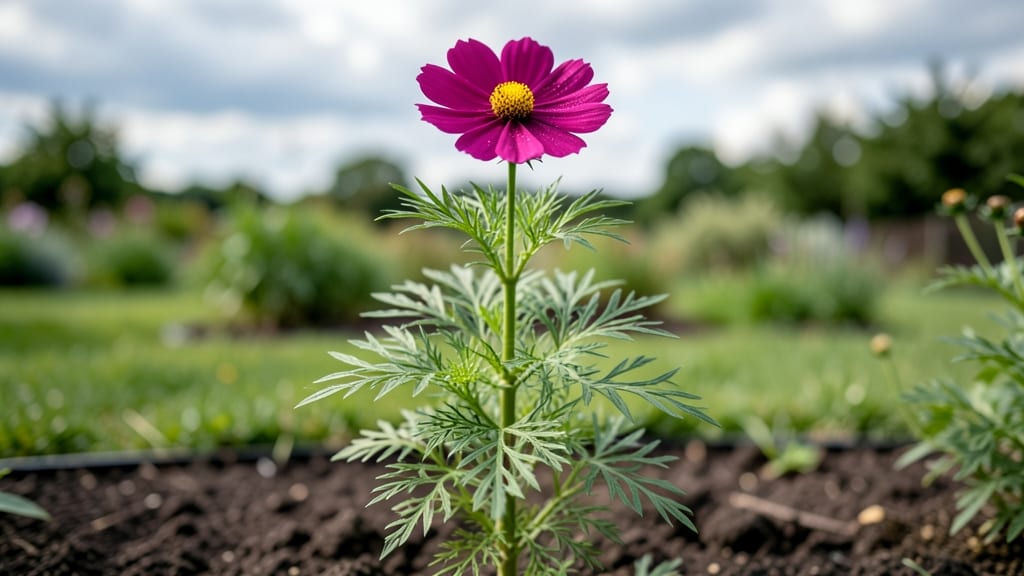
Cosmos flowers grow to heights ranging from 1 foot to over 6 feet, making them one of the most versatile blooms for any garden space.
If you're dreaming of a vibrant garden but worried about towering flowers overwhelming your space, cosmos flowers offer the perfect balance—elegant, low-maintenance, and surprisingly diverse in height. Whether you need a delicate border or a dramatic backdrop, there’s a cosmos variety to fit your vision.
Understanding how soil, sunlight, and pruning affect their growth can help you control their size or encourage them to reach their full potential. For example, well-drained soil and full sun will push taller varieties toward their maximum height, while regular deadheading keeps them blooming longer.
Below, I’ll break down the height ranges of popular cosmos varieties, share spacing tips to prevent overcrowding, and suggest companion plants to enhance their beauty—so you can create a garden that thrives without the guesswork.
Cosmos Height Range
1 ftto6 ft
0 ft
3 ft
6 ft
9 ft
12 ft
🌱
Medium Flower
Cosmos flower height by variety: a complete growth chart
Choosing the right cosmos flower height can make or break your garden's visual flow. Whether you're designing a front border or a back-of-the-border statement, knowing each variety's mature size helps you plan spacing and companion plants effectively.
Cosmos come in three main height categories: dwarf (1-2 ft), medium (2-4 ft), and tall (4-6 ft), each with unique growth habits.
I've grown cosmos for years, and one lesson I've learned is that spacing matters. Planting tall varieties too close can create a crowded mess, while dwarf cosmos need proper airflow to prevent mildew.
Let's explore the most popular varieties and their ideal planting distances to create a cohesive, thriving garden layout.
📌 Pro Tip: Always plant cosmos in well-draining soil with full sun exposure (6+ hours daily) to maximize their natural height potential. Overcrowding or poor soil can stunt growth by up to 30% in some varieties.
| Variety |
Height Range |
Spacing |
Bloom Color |
Growth Habit |
| Sensation Mixed |
12-18 in |
8-12 in apart |
Pink, white, red |
Compact, bushy |
| Bright Lights Mixed |
18-24 in |
12-15 in apart |
Rainbow hues |
Upright, branching |
| Double Click Pink |
24-30 in |
15-18 in apart |
Deep pink |
Semi-dwarf, full blooms |
| Cosmos bipinnatus 'Seashells' |
30-36 in |
18-24 in apart |
White, pink, rose |
Tall, airy stems |
| Cosmos sulphureus 'Bright Sunshine' |
36-48 in |
24-30 in apart |
Yellow, orange |
Sprawling, heat-loving |
| Cosmos 'Purity' |
48-60 in |
30-36 in apart |
Pure white |
Tall, elegant stems |
| Cosmos 'Ruby Red' |
48-60 in |
30-36 in apart |
Deep red |
Strong, upright |
| Cosmos 'Sensation White' |
24-30 in |
15-18 in apart |
Snow white |
Bushy, prolific blooms |
| Cosmos 'Cosmic Orange' |
36-48 in |
24-30 in apart |
Orange |
Heat-tolerant, sprawling |
| Cosmos 'Ladybird' |
12-18 in |
8-12 in apart |
How to control cosmos flower height for small gardens
Tall cosmos varieties can quickly dominate a small garden, but with the right techniques, you can enjoy their stunning blooms without sacrificing space. The key lies in selective pruning, strategic staking, and choosing compact varieties.
These methods help maintain a tidy appearance while encouraging more flowers. Even in limited spaces, cosmos can thrive if you manage their growth intentionally.
For small gardens, I recommend focusing on dwarf cosmos like 'Sensation Mix' or 'Peppermint Twist', which max out at 18-24 inches tall. These varieties provide all the beauty without the height.
But if you love taller cosmos, don't worry—there are still ways to control their stature. The secret is understanding when and how to intervene during their growth cycle.
-
1
Prune strategically: Trim back 1/3 of the plant's height in early summer to encourage bushier growth. Use clean, sharp shears and cut just above a leaf node. This prevents leggy stems while promoting more blooms.
-
2
Stake early: Install bamboo stakes or tomato cages at planting time. Cosmos have hollow stems, so they need support to prevent flopping. Secure stems with soft plant ties to avoid damaging the delicate stems.
-
3
Deadhead regularly: Remove spent blooms by pinching off the entire flower head down to the next set of leaves. This redirects energy to new growth rather than seed production, keeping the plant compact and floriferous.
-
4
Space properly: Plant dwarf cosmos 12-18 inches apart and taller varieties 24-36 inches apart. Overcrowding leads to competition for nutrients, resulting in taller, weaker stems. Thin seedlings early to avoid this issue.
-
5
Choose the right spot: Plant cosmos in full sun (6+ hours daily) to encourage sturdy growth. Partial shade can lead to taller, leggier plants. Well-draining soil also prevents weak stems that flop over.
If you're working with a very small space, consider growing cosmos in containers. Use 12-inch pots for dwarf varieties and 18-inch pots for taller types.
This gives you full control over root growth and makes pruning even easier. Just ensure the container has drainage holes to prevent soggy soil, which weakens stems.
For vertical gardens, cosmos are perfect candidates. Train them to climb trellises or obelisks by gently weaving stems through the structure as they grow. This not only saves space but also creates a dramatic focal point.
Just be sure to prune regularly to keep the plant from becoming too top-heavy.
Remember, cosmos are self-seeding annuals, so they'll return year after year if you allow them. To maintain control over their height, collect seeds from your shortest, healthiest plants and save them for next season. This way, you can propagate the exact varieties that thrive in your small garden.
★★★★★4.6(7 reviews)
|