
Flowers
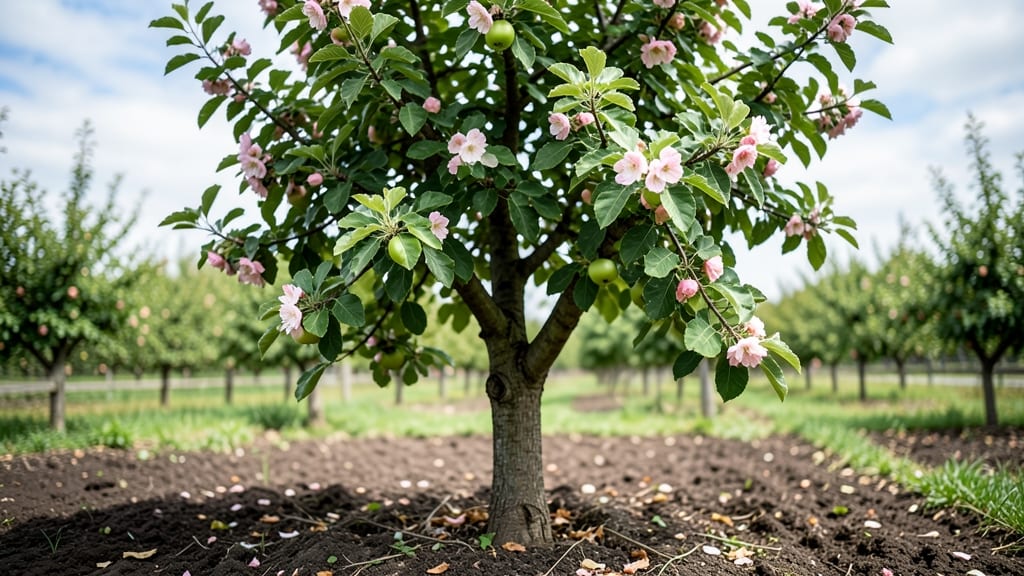
Your apple tree’s flowers turning to fruit isn’t just luck—it’s a precise dance of pollination, timing, and care 🍎.
Did you know that even the most beautiful apple tree flowers can fail to produce fruit if pollination isn’t triggered correctly? Understanding the science behind flower development and the key factors that turn blossoms into a bountiful harvest is the secret to maximizing your orchard’s yield—no matter your experience level.
From attracting the right pollinators to managing temperature swings, every stage matters. A single missed cue—like thin blossoms or poor soil—can leave you with empty branches instead of juicy apples. But don’t worry: with the right steps, you can boost fruit set by up to 50% this season.
In this guide, I’ll walk you through the exact triggers for heavy fruit production, common pitfalls to avoid, and pro tips to turn your tree’s spring blooms into a fall harvest you’ll be proud of.
The science behind apple tree flowers turning to fruit: key pollination stages
Apple tree flowers transform into fruit through a fascinating biological process that depends on precise timing, environmental conditions, and genetic triggers. Understanding these key pollination stages helps gardeners maximize fruit production—even if your tree is young or struggling.
The journey begins when buds swell in spring, signaling the start of a delicate process that can easily fail without the right conditions.
First, apple tree flowers must complete three critical stages: blooming, pollination, and fruit set. Each stage relies on specific conditions, from temperature thresholds to the presence of pollinators. For example, most apple varieties need daytime temperatures between 55°F and 75°F for optimal flower development.
Too cold or too hot, and the process stalls, leading to blossom drop—a common frustration for many growers.
| Stage | Key Process | Critical Factors | Duration |
|---|---|---|---|
| Bud Break | Swelling of flower buds; petals emerge | 50°F+ daytime temps, 10+ hours sunlight | 7–14 days |
| Pollination | Transfer of pollen to stigma; fertilization | Bees/birds, 55°F–75°F temps, dry weather | 3–5 days |
| Fruit Set | Ovary develops into fruit; cell division begins | 60°F+ temps, consistent moisture, nutrient availability | 2–4 weeks |
| Blossom Drop | Unfertilized flowers fall; tree conserves energy | Extreme heat/cold, poor pollination, overcrowding | Ongoing (varies) |
During bud break, apple trees rely on stored energy from the previous season. If your tree experienced stress—like drought or frost damage—it may produce fewer flowers or weaker blooms.
Look for pink buds emerging in early spring; this signals the start of the process. Healthy buds should feel firm and plump, not shriveled or mushy.
Pollination is where most gardeners lose control. Apple trees are self-unfruitful in many cases, meaning they need cross-pollination from a different variety. For example, a Honeycrisp tree needs pollen from a Gala or Fuji to set fruit.
Bees and other pollinators handle this naturally, but if your orchard lacks diversity, you’ll need to hand-pollinate using a small brush to transfer pollen between flowers.
After successful pollination, the fruit set stage begins as the ovary swells into a tiny apple. This phase is highly sensitive to temperature fluctuations and water stress. If daytime temps spike above 85°F during fruit set, many blossoms will drop prematurely.
To prevent this, ensure your tree has consistent moisture—deep watering every 7–10 days during dry spells helps maintain stability.
Not all flowers will survive to become fruit. In fact, apple trees naturally drop 50–70% of blossoms to conserve energy for the remaining apples. This is normal, but excessive drop (over 80%) often signals problems like poor pollination, nutrient deficiencies, or pest damage.
To identify healthy blossoms, look for bright pink or white petals that open fully. Weak flowers may appear yellowed or wilted before dropping.
Genetics also play a role in fruit set success. Some apple varieties, like Granny Smith, are more pollination-dependent than others. If you’re growing a single tree, consider planting a compatible pollinator variety within 50 feet to ensure cross-pollination.
For example, McIntosh pairs well with Cortland or Empire for optimal fruit production.
Weather conditions during the first 10–14 days after pollination are critical. Rain can wash away pollen, while high humidity increases the risk of fungal diseases like bloom rot. To mitigate risks, apply a copper fungicide preventatively if rain is forecasted during bloom.
Additionally, avoid over-fertilizing with nitrogen, which promotes leafy growth at the expense of fruit development.
By understanding these stages, you can troubleshoot issues like poor fruit set or blossom drop before they become major problems. For instance, if your tree drops flowers early, check for adequate pollinators, proper watering, and balanced nutrients.
Small adjustments—like adding a bee-friendly plant nearby or hand-pollinating—can make a big difference in your harvest.
Next time you see those showy apple blossoms, remember: their journey to becoming fruit is a science of timing, nature, and a little help from gardeners like you. With the right conditions, your tree can transform those delicate flowers into a bountiful harvest of crisp, homegrown apples. 🍎
5 Critical triggers to convert apple blossoms into heavy fruit production
Transforming your apple tree's delicate blossoms into fruit requires more than just patience—it’s about triggering the right conditions at the right time. Even with perfect flowers, poor pollination or environmental stress can leave you with empty branches.
The good news? With these five actionable triggers, you can dramatically increase your fruit set and harvest more apples than ever before.
First, let’s address the biggest mystery: why do some blossoms turn into fruit while others drop? The answer lies in pollination success, temperature stability, and nutrient availability. When these factors align, your tree will reward you with a heavy fruit load.
Below are the five critical triggers you need to master, along with a seasonal checklist to keep you on track.
-
Trigger 1: Attract Pollinators
Plant bee-friendly flowers nearby and avoid pesticides during bloom. -
Trigger 2: Hand-Pollinate
Use a soft brush to transfer pollen between blossoms on cloudy or windless days. -
Trigger 3: Maintain Ideal Temps
Keep daytime temps between 60-85°F during bloom for optimal fruit set. -
Trigger 4: Balance Humidity
Avoid excessive moisture (40-60% humidity) to prevent fungal diseases like blossom blight. -
Trigger 5: Time Nutrient Boosts
Apply balanced fertilizer (10-10-10) when buds swell and again after petal fall.
Let’s dive deeper into each trigger. Pollinator attraction is your first line of defense. Bees and other insects are the natural pollinators for most apple varieties, but they need help when weather conditions are less than ideal.
Planting bee-friendly flowers like lavender, clover, or dill near your orchard creates a pollinator highway. Avoid spraying neonicotinoids or broad-spectrum pesticides during bloom, as these can harm bees and reduce pollination success by up to 50%.
If your area lacks natural pollinators—or if rain keeps them grounded—hand-pollination becomes essential. On cloudy or windless days, grab a soft paintbrush and gently transfer pollen from one blossom to another. Focus on open flowers with visible stamens, as these are the most receptive to pollination.
This method works especially well for self-pollinating varieties like 'Gala' or 'Fuji', but even cross-pollinating types benefit from a little extra help.
Temperature plays a critical role in fruit set. Apple blossoms thrive in daytime temperatures between 60-85°F, but extreme heat or cold can disrupt pollination. If nights drop below 40°F, blossoms may fail to open properly, while temperatures above 90°F can cause pollen to become sterile.
Use shade cloth or row covers during heatwaves to protect blossoms, and monitor your local forecast to plan hand-pollination on cooler days.
Humidity levels also impact fruit development. High humidity (above 60%) creates the perfect conditions for blossom blight and fungal diseases, which can cause premature blossom drop. To combat this, ensure your orchard has good air circulation by pruning branches and avoiding overcrowding.
If rain is forecasted during bloom, consider applying a copper fungicide spray as a preventative measure. Aim for humidity levels between 40-60% to maximize fruit set.
Finally, nutrient timing can make or break your harvest. Apple trees need a steady supply of nitrogen, phosphorus, and potassium to support flower and fruit development. Apply a balanced fertilizer (10-10-10) when buds begin to swell in early spring, and follow up with another application after petal fall.
Avoid heavy nitrogen applications during bloom, as this can lead to excessive foliage growth at the expense of fruit production. Instead, focus on phosphorus and potassium to strengthen root systems and fruit development.
By mastering these five triggers, you’ll turn your apple tree’s blossoms into a bountiful harvest. Keep a seasonal checklist handy to track your progress, and don’t forget to monitor your tree’s response to these adjustments.
With a little extra care, your orchard will soon be heavy with fruit, ready for harvest! 🍏