
Flowers
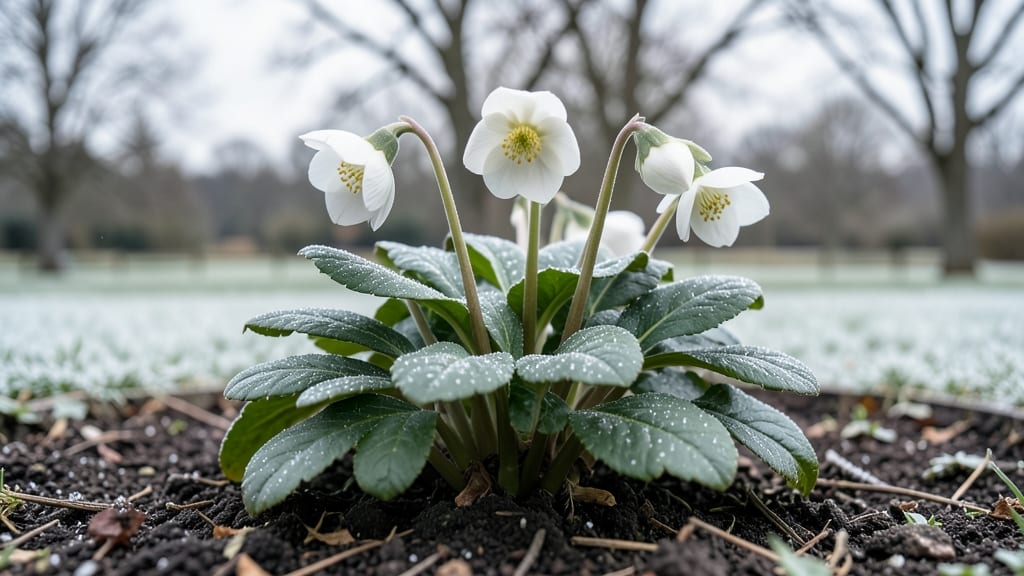
Are there flowers that bloom in winter? They exist, and they’re the secret weapon for turning a gray winter landscape into a burst of color 🌸.
Picture this: snow on the ground, frost on the branches, and yet—bright yellow Winter Jasmine or deep purple hellebores lighting up the yard. It’s not magic; it’s science. These cold-hardy plants don’t just survive winter—they thrive in it, offering vibrant blooms when most gardens are dormant.
If you’ve ever wondered how to keep your garden lively during the coldest months, you’re in the right place. Below, I’ll share 12 cold-hardy flowers that bloom in winter, their care requirements, and how to pair them for a stunning winter display—no greenhouse or heat lamp required.
From USDA Zone 6a to warmer regions, these flowers prove that winter doesn’t have to be a blank canvas. Let’s dive into how to choose, plant, and maintain them for year-round beauty.
12 Cold-hardy flowers that bloom in winter (with USDA zones & care tips)
Winter gardens don’t have to be dull—cold-hardy flowers can bring vibrant color even when temperatures drop. These resilient bloomers thrive in frost and transform snowy landscapes into cheerful displays. Whether you're in USDA Zone 3 or Zone 8, there’s a winter flower that will flourish in your yard.
Let’s explore the best options, their care requirements, and how to create stunning winter color palettes.
Many gardeners assume flowers need warmth to bloom, but these hardy varieties prove otherwise. Some, like Hellebores and Winter Aconite, bloom in late winter, while others like Camellias and Snowdrops offer early spring color.
The key is selecting plants that match your local climate zone and providing proper care to ensure they survive harsh conditions.
Below, you’ll find a curated list of 12 cold-hardy flowers that deliver winter blooms, along with their USDA hardiness zones, ideal planting conditions, and maintenance tips.
This comparison table will help you choose the perfect winter bloomers for your garden, whether you prefer bright yellows, delicate whites, or deep purples.
| Flower Name | USDA Zones | Bloom Time | Sunlight Needs | Care Tips |
|---|---|---|---|---|
| Hellebore (Lenten Rose) | 3-9 | Late Winter (Feb-Mar) | Partial Shade | Plant in well-draining soil; mulch in fall |
| Winter Aconite | 4-8 | Early Winter (Dec-Jan) | Full Sun | Drought-tolerant; deadhead spent blooms |
| Snowdrop (Galanthus) | 3-9 | Late Winter (Jan-Feb) | Partial Shade | Plant bulbs in fall; naturalize in lawns |
| Winter Jasmine | 6-9 | Late Winter (Feb-Mar) | Full Sun | Prune after flowering; support climbing stems |
| Camellia | 7-10 | Winter-Spring (Nov-Mar) | Partial Shade | Acidic soil; protect from strong winds |
| Pansy (Viola) | 3-11 | Fall-Winter (Oct-Feb) | Full Sun-Partial Shade | Deadhead regularly; mulch for frost protection |
| Crocus | 3-8 | Early Winter (Nov-Dec) | Full Sun | Plant bulbs in fall; naturalize in meadows |
| Daffodil (Narcissus) | 3-10 | Late Winter (Feb-Mar) | Full Sun | Plant bulbs in fall; avoid overwatering |
| Christmas Rose (Helleborus niger) | 4-8 | Winter Holidays (Dec-Jan) | Partial Shade | Shade-tolerant; mulch heavily in winter |
| Winter Honeysuckle | 4-9 | Late Winter (Feb-Mar) | Full Sun | Prune annually; drought-tolerant once established |
| Ornamental Kale | 3-10 | Fall-Winter (Oct-Feb) | Full Sun-Partial Shade | Harvest leaves for color; frost enhances hues |
| Sweet Box (Sarcococca) |
How to choose and plant winter-blooming flowers for maximum impactSelecting the right winter-blooming flowers starts with understanding your USDA hardiness zone. For example, Hellebores thrive in zones 4-9, while Winter Jasmine prefers zones 6-9. Check your zone to avoid frost damage and ensure vibrant blooms through cold months. Prepare your soil in early fall by amending it with organic compost and a slow-release fertilizer. Winter flowers like Camellias and Pansies need well-draining soil to prevent root rot during wet winters. A soil test can reveal if your garden needs extra nutrients like phosphorus for root growth.
✅ Key Steps for Planting Winter Bloomers
Timing is critical—plant perennials like Snowdrops in fall (September-October) so they establish roots before winter. For annuals like Pansies, sow seeds 6-8 weeks before your first frost date. Use a frost calendar to align planting with your local climate. Extend the blooming season by pairing early bloomers (e.g., Winter Aconite) with late-season varieties (e.g., Hellebores). This creates a continuous color palette from December to March. Group plants by color—white Snowdrops contrast beautifully with purple Pansies. Protect delicate blooms from late-season freezes by covering them with frost cloth on nights below 25°F. Remove covers by 10 AM to prevent overheating. For container-grown flowers, move pots to a sheltered porch or wrap them in bubble wrap for extra insulation. After planting, monitor for pests like slugs or disease signs such as brown spots. Apply organic slug bait in early winter and prune dead foliage in late spring to encourage new growth. With the right care, your winter garden will burst with color—even under a light dusting of snow! 🌷 |