
Blooming
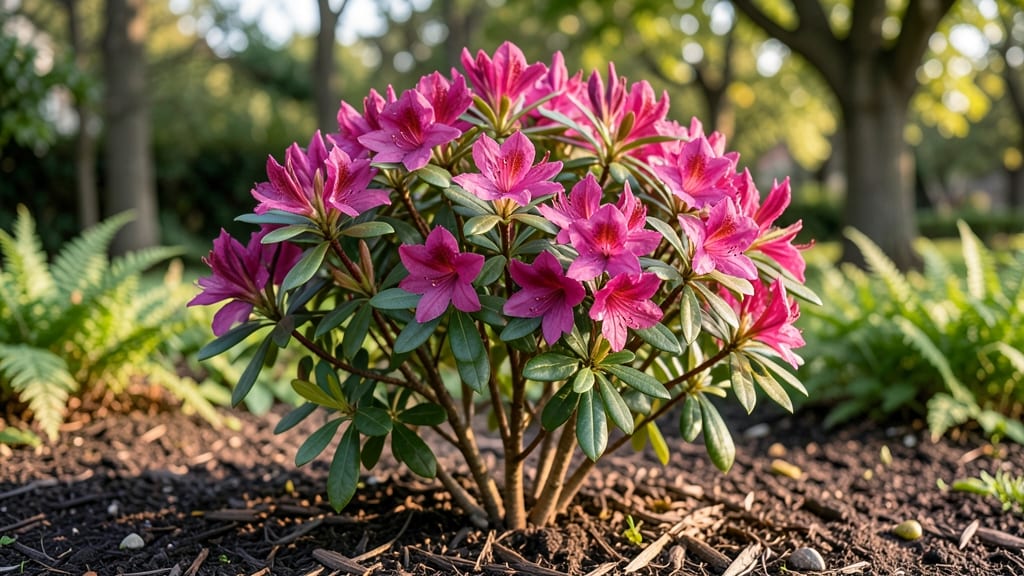
Azalea flowers bloom in late winter through spring 🌸, with exact timing depending on your climate zone and variety—something that can make all the difference between a garden full of color and one that feels like it missed its cue.
If you’ve ever wondered why your azaleas bloom at different times—or why some varieties seem to defy seasonal expectations—understanding their exact blooming windows is the key to year-round color.
From early spring bursts in Zone 6 to late-winter surprises in warmer climates, timing everything right ensures your garden stays vibrant. Below, I break down the exact months for each USDA zone, the top varieties that extend bloom seasons, and care tips to keep your azaleas flowering longer.
Whether you’re planning a spring display or just want to know why your Girard’s Pink blooms a full month earlier than your neighbor’s, this guide has the answers—and the strategies to make it happen every year.
Azalea blooming time by USDA climate Zone: when to expect flowers
Azaleas are famous for their show-stopping blooms, but their timing varies wildly depending on your USDA climate zone and the specific variety you grow.
In Zone 6, for example, most azaleas burst into color in late April to May, while in Zone 10, they might bloom as early as January or February. Understanding these patterns helps you plan for year-round color and avoid disappointment when buds fail to open.
Temperature plays a critical role in triggering blooms. Azaleas need a period of cool winter dormancy (typically below 45°F) followed by warm days and cool nights to set flower buds. In warmer zones, this means fall blooming is common, while cooler zones see spring displays.
Regional microclimates—like the Pacific Northwest’s mild winters—can also shift bloom times by weeks or even months.
Here’s how to predict when your azaleas will bloom based on your zone, with key varieties and their typical bloom windows:
In Zone 6, where winters are harsh, azaleas like 'Hino Crimson' typically bloom in late April to early June, aligning with the last frost date. These varieties need 60°F+ days to trigger buds after a cool winter chill.
If your zone 6 azaleas bloom late or not at all, check for over-fertilizing with nitrogen, which delays flowers in favor of foliage.
Moving to Zone 7, you’ll find a mix of spring and fall bloomers. The Encore Azalea series, for example, reblooms in late summer to fall if given the right care.
In Zone 8 and warmer, azaleas often bloom in winter or early spring, with some varieties like 'Oconee' producing fall flowers when nights stay mild. The Pacific Northwest is an exception—its cool, wet winters can delay blooms until late May or June.
For Zone 9 and 10 gardeners, azaleas might bloom twice a year. In Zone 10, where winters are barely cool, varieties like 'Tiny Wine' often flower in winter or early spring, while summer blooms occur in July to September.
Heat waves can stress these plants, so afternoon shade is crucial. In Zone 9, fall blooming is common, with 'Formosa' varieties lighting up gardens in September to November.
Regional quirks matter too. In the Southeastern U.S., azaleas bloom earlier due to warmer winters, while the Pacific Northwest’s cooler, wetter climate can push blooms into late spring.
If you’re in Zone 7b but live in a microclimate with harsh winters, your azaleas might act more like Zone 6 plants. Always monitor your local last frost date and adjust expectations accordingly.
To encourage healthier, longer blooms, time your fertilizing right. Apply a balanced acid fertilizer (10-10-10) in early spring (just as buds swell) and again in early fall
Top 5 azalea varieties ranked by blooming season & duration
Choosing the right azalea varieties can transform your garden into a year-round color show. Some bloom early in spring, while others surprise you with late-winter or fall flowers. The key is matching varieties to your climate zone and desired bloom duration.
For example, Girard’s Pink lights up gardens in March-April, while Encore Azaleas extend the show into late summer.
Not all azaleas follow the traditional spring schedule. Some rebloom multiple times, while others offer longer-lasting blooms with proper care. Understanding these differences helps you plan for continuous garden interest.
Below, I’ve ranked the top 5 azalea varieties based on their blooming season and duration, so you can pick the perfect mix for your landscape.
Rhododendron 'Girard’s Pink' is a spring classic that blooms from late March to early May in most USDA Zones 5-8. Its pink flowers last 3-4 weeks and thrive in partial shade. This variety is perfect if you want a bold early-season splash of color. Pair it with heath azaleas for a longer display, as they bloom slightly later.
Knaphill Hybrid azaleas, like 'George L. Taber', are late-spring bloomers (May-June) and offer vibrant red flowers that last 4-5 weeks. They’re heat-tolerant and ideal for southern gardens. Unlike early bloomers, these varieties rarely rebloom, so plan them as a mid-season highlight rather than a year-round performer.
The Encore Azalea series (e.g., 'Autumn Red') is a game-changer for extended blooming. These reblooming varieties flower in spring and again in fall, with Autumn Red blooming from June to October.
Their longer vase life and disease resistance make them a low-maintenance choice for continuous color.
Southern Indica azaleas, such as 'Hino Crimson', are late-winter to early spring bloomers (February-March) and thrive in warm climates. Their deep red flowers last 3-4 weeks and love full sun, making them ideal for southern landscapes. These varieties rarely rebloom, so focus on their early-season impact.
For compact gardens, 'Dwarf Fondant' (a Knaphill Hybrid) blooms in late spring with pale pink flowers that last 3 weeks. Its 3-4 ft height makes it perfect for borders or containers.
Unlike larger varieties, it doesn’t require heavy pruning, saving you time while still delivering stunning seasonal color.