
Flowers
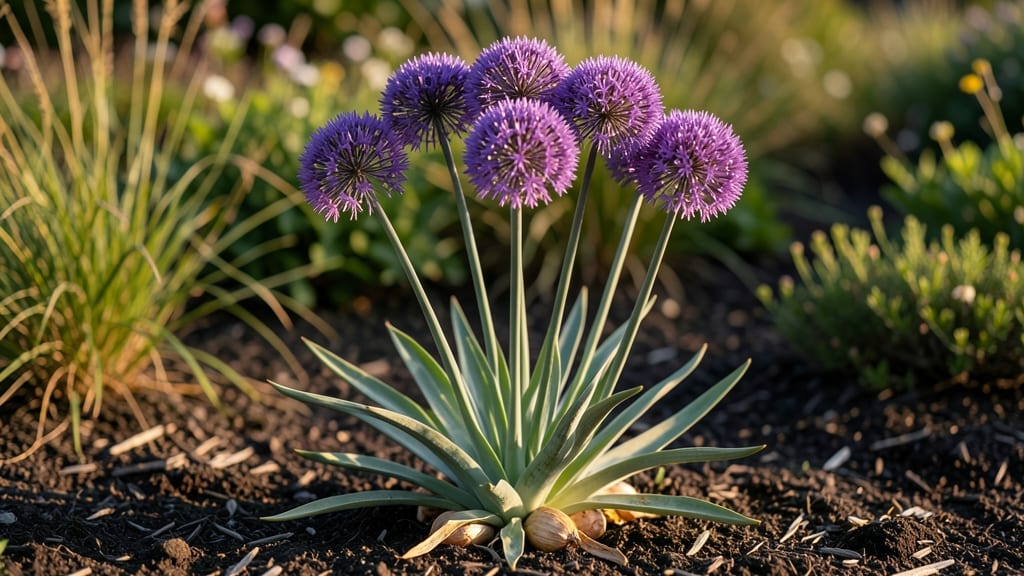
Allium flowers bloom in late spring to early summer 🌸, but the exact timing depends on your climate zone and the variety you choose.
Picture this: you’ve spent weeks waiting for those dramatic globe-shaped blooms to appear, only to miss the peak display because you didn’t know the right window. The truth? Some alliums like Allium giganteum burst into color in May, while others, such as Allium sphaerocephalon, wait until June.
If you’re in USDA Zone 6a (like much of the Midwest), you’ll likely see blooms from mid-May through June, but gardeners in warmer zones can expect flowers as early as April or as late as July.
The key to planning ahead is knowing your local frost dates and which varieties thrive in your area.
In this guide, I’ll break down the bloom times by zone, share tips for extending your allium season, and highlight some lesser-known varieties that defy the usual schedule. No more guessing—just stunning, timely blooms every year.
Allium bloom times by USDA hardiness zones: month-by-month guide
Allium flowers are famous for their striking, globe-shaped blooms that add drama to gardens from early spring to late summer. But when exactly they bloom depends heavily on your USDA hardiness zone and the specific allium variety you're growing.
In colder zones like 3-5, expect blooms as early as April or May, while warmer zones 8-10 may see flowers stretching into July or August. Understanding these patterns helps you plan for season-long color and avoid disappointment.
Most gardeners plant allium bulbs in fall for spring blooms, but some varieties—like Allium christophii—thrive when planted in early spring for summer flowers. The key is matching your local frost dates with the right variety timing.
For example, Allium giganteum (giant allium) typically blooms in late spring to early summer, while Allium sphaerocephalon (drumstick allium) often flowers in mid to late summer. Let’s break down the exact months by zone so you can time your plantings perfectly.
In USDA zones 3-4, where winters are harsh, most alliums bloom in late spring to early summer. Varieties like Allium karataviense (star of Persia) often appear as early as April, while Allium sphaerocephalon (drumstick allium) may not bloom until July.
These cooler climates benefit from early fall planting to ensure bulbs establish roots before winter. I’ve found that adding a 2-3 inch layer of mulch after planting helps protect bulbs from freeze-thaw cycles.
Gardeners in zones 5-6 enjoy a longer bloom window, with some alliums like Allium moly (lamb’s ears) flowering as early as April. Mid-season varieties such as Allium 'Purple Sensation' peak in May-June, while late bloomers like Allium christophii (rose-ringed allium) stretch into July.
In these zones, you can experiment with spring planting for late-season color, though fall planting remains the safest bet for consistent results.
Warmer zones 7-8 offer flexibility, as alliums can often be planted in early spring without risking frost damage. Early bloomers like Allium 'Globemaster' may appear as soon as March-April, while Allium 'Millenium' (a late summer variety) can flower into August.
I’ve had success in zone 7 by planting Allium 'Haarlem Pearl' in November for a May-June showstopper. Just be mindful of summer heat, which can stress bulbs in these zones.
In the mildest climates of zones 9-10, alliums often bloom earlier and may even rebloom if conditions are ideal. Varieties like Allium 'Purple Rain' can flower as early as February-March, while Allium 'Summer Beauty' extends the season into July.
Here, I recommend planting in winter (December-January) to avoid the peak summer heat. These zones also allow for year-round interest by layering early, mid, and late-season varieties.
To maximize your allium blooms, consider succession planting. For example, plant Allium karataviense in fall for April blooms, then add Allium 'Millenium' in early spring for summer color. This creates a continuous display from spring through fall.
I’ve also found that well-draining soil and full sun exposure are critical for alliums across all zones—even in warm climates where heat can be a challenge.
Pro tip: If you’re in a warmer zone and notice your alliums blooming too early, try moving them to a slightly shadier spot or providing afternoon shade during peak summer months. This can delay blo
How to extend Allium blooms: pro tips for longer flowering seasons
Want your allium blooms to last longer and light up your garden for weeks? The secret lies in strategic planning and variety selection. By choosing the right allium types and adjusting your planting schedule, you can push blooms earlier or later in the season.
Let’s explore how to maximize your allium’s vase life and garden presence with simple, proven techniques.
One of the easiest ways to extend blooms is by selecting long-lasting varieties. For example, 'Globemaster' alliums boast 3-4 week vase life, while 'Purple Sensation' offers vibrant color for up to 2 weeks in arrangements.
Pairing these with succession planting ensures continuous color from early spring to late summer.
For longer vase life, harvest allium blooms when the buds are just beginning to open. This ensures they last up to 3 weeks in arrangements. Store cut stems in cool water and trim stems at an angle to absorb water efficiently.
Avoid placing alliums near ethylene-producing flowers like roses, which can shorten their lifespan.
Another pro tip is to mulch around allium plants after planting. A 2-3 inch layer of mulch helps retain moisture, regulate soil temperature, and suppress weeds—all of which contribute to healthier plants and longer blooms. Choose organic mulch like straw or shredded bark for best results.
If you’re in a warmer climate (USDA zones 8-10), consider planting fall-blooming alliums like 'Allium moly' or 'Allium roseum'. These varieties thrive in cooler fall weather and can extend your blooming season into early winter. Pair them with spring-blooming types for a seamless transition.
With these strategies, your allium garden will stay vibrant and full of color for months. Experiment with different varieties and planting times to find the perfect combination for your climate zone. Happy gardening! 🌸