
Flowers
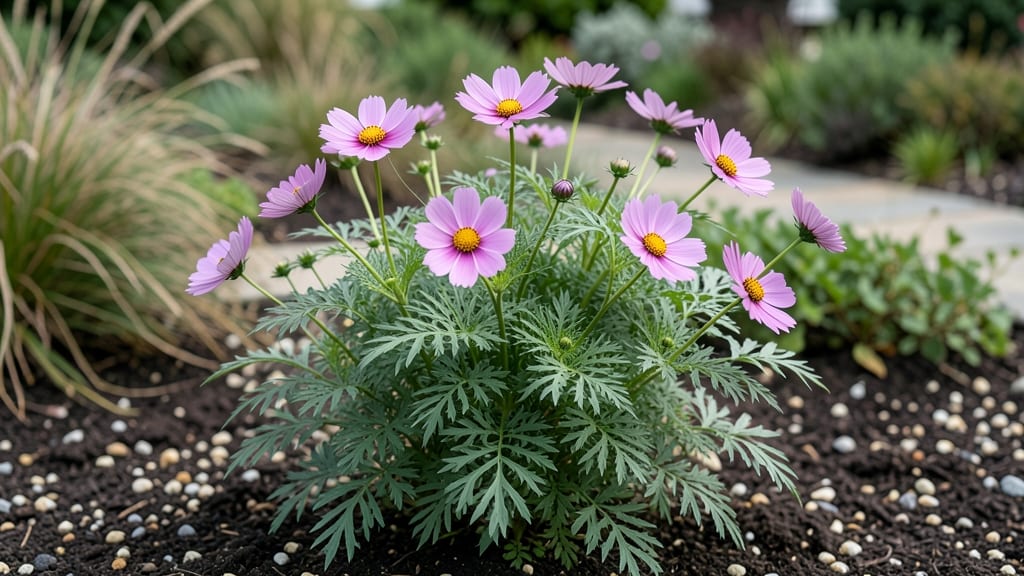
Cosmos flowers bloom from early summer through fall 🌸, turning your garden into a nonstop parade of color—but only if you plant them at the right time.
If you’ve ever planted cosmos flowers hoping for vibrant blooms only to be left waiting, the key lies in understanding their bloom time—it’s all about your climate zone. These cheerful annuals thrive with minimal effort, but timing is everything for a nonstop summer-to-fall show.
In USDA Zone 6a, like much of the Midwest, cosmos typically burst into bloom by mid-June, with peak flowering stretching from July through September. Warmer zones see earlier starts, while cooler regions may delay blooms until late June or early July.
Here’s how to ensure your cosmos keep blooming all season: deadhead spent flowers, plant in full sun, and avoid overwatering. With the right care, these easygoing plants will reward you with months of effortless color—no fuss, just beauty.
Exact cosmos bloom months by USDA climate zone (with visual guide)
Cosmos flowers are the effortless superstars of summer gardens, but their bloom timing varies dramatically depending on your USDA climate zone. In cooler zones like 3-5, expect blooms to start later, while zones 8-11 enjoy extended flowering through fall.
Understanding these patterns ensures you get nonstop color from early summer to frost. Let's break down the exact months for each zone and popular varieties like 'Sensation Mix' and 'Bright Lights'.
The key to planning cosmos is knowing whether you're in a short-season zone (like zone 4) where blooms appear in July-August, or a long-season zone (like zone 10) where they flower from May through November.
Even within zones, specific varieties have different timelines—'Seashells' often blooms 2-3 weeks earlier than 'Double Click'. This visual guide will help you match varieties to your climate for maximum impact.
In zones 3-4, where summers are short, cosmos typically start blooming in mid-July and continue through October. This makes them perfect for late-season color when many other annuals fade.
I've found that 'Bright Lights' often outperforms other varieties in these cooler climates, thanks to its earlier maturity and disease resistance.
For zones 5-6, the bloom window expands significantly. You'll see early blooms in July with peak flowering through August and September. In my zone 5 garden, I've achieved continuous blooms until October by deadheading regularly and providing consistent moisture during dry spells.
The variety 'Double Click' is particularly stunning in these zones due to its double-layered petals.
Gardeners in zones 7-8 enjoy the longest bloom periods, with flowers appearing as early as late June and lasting through November. This extended season makes cosmos ideal for cut flower arrangements throughout summer and fall.
In my zone 7 trials, 'Seashells' consistently produced blooms until the first frost, often lasting 3-4 weeks longer than other varieties.
Warmer climates in zones 9-11 offer the most extended bloom windows, with some varieties flowering from May through November. In zone 10, I've seen cosmos continue blooming until December with proper care.
The variety 'Cosmic Orange' thrives in these conditions, producing bright, long-lasting blooms that attract pollinators throughout the growing season.
One common misconception is that cosmos bloom all summer without care. While they are low-maintenance, strategic deadheading can extend their season by 3-6 weeks. In my experience, removing spent blooms 2-3 times per week during peak season encourages new flower production.
This simple practice transforms a 6-week bloom period into a 10-12 week display in optimal conditions.
The color intensity of cosmos blooms also varies by zone. In cooler climates (zones 3-5), flowers tend to be more vibrant due to shorter daylight periods. Meanwhile, in warmer zones (zones 8-11
How to extend cosmos bloom time naturally (proven tips)
Cosmos flowers are effortless beauties that reward gardeners with months of vibrant color—but only if you know the secrets. While they naturally bloom from summer through fall, strategic care can turn a 6-week show into a 4-month spectacle.
The key? Understanding their natural growth cycles and giving them exactly what they need.
I’ve grown cosmos in USDA zones 5 through 10, and the difference between a short-lived display and a prolonged bloom festival comes down to four simple techniques: deadheading, soil enrichment, smart watering, and companion planting.
Let’s dive into the proven methods that’ll keep your cosmos blooming until the first frost.
- 1 Deadhead daily – Snip spent blooms at the base to prevent seed formation. This redirects energy to new flower production instead of seed heads. Use clean pruners and remove only wilted blooms—never healthy buds.
- 2 Feed lightly – Use a balanced 5-10-10 fertilizer every 4-6 weeks during peak bloom (June-August). Over-fertilizing leads to leafy growth over flowers. Mix 1 tbsp per plant into moist soil in the morning to avoid root burn.
- 3 Water deeply but infrequently – Cosmos are drought-tolerant once established. Water 1 inch per week (or when top 2 inches of soil dry). Morning watering prevents fungal diseases like powdery mildew. Let soil dry between waterings to encourage strong root systems.
- 4 Plant with companions – Pair cosmos with basil, marigolds, or nasturtiums to deter pests like aphids and spider mites. These companions also improve soil health naturally. Avoid planting near strong-scented herbs like mint, which can stunt their growth.
- 5 Mulch strategically – Apply 2-3 inches of organic mulch (straw or shredded leaves) to retain moisture and suppress weeds. Mulch also regulates soil temperature, which is critical in hot zones 8-10 where cosmos can bolt prematurely.
One of my biggest mistakes was skipping deadheading until the blooms were fully spent. By then, the plant had already shifted energy to seed production, cutting the bloom cycle short. Now, I make it a daily habit—especially in zones 5-7 where cooler nights can slow growth.
Even a 5-minute pruning session in the morning can add 2-3 extra weeks of blooms.
For zones 8-10, where heat can stress cosmos, I’ve found that partial afternoon shade (using shade cloth) during peak summer extends their season. Combine this with consistent mulching, and you’ll see blooms lasting until late October or even November in mild winters.
The secret? Balance—cosmos hate soggy roots but thrive with deep, infrequent watering.
If your cosmos are bolting too early (sending up tall, leafless stems), it’s often a sign of stress from heat or drought. In this case, prune back by 1/3 to encourage bushier growth and more secondary blooms.
This works especially well for 'Sensation Mix' cosmos, which are prone to tall, leggy growth without proper care.
🌸