
Blooming
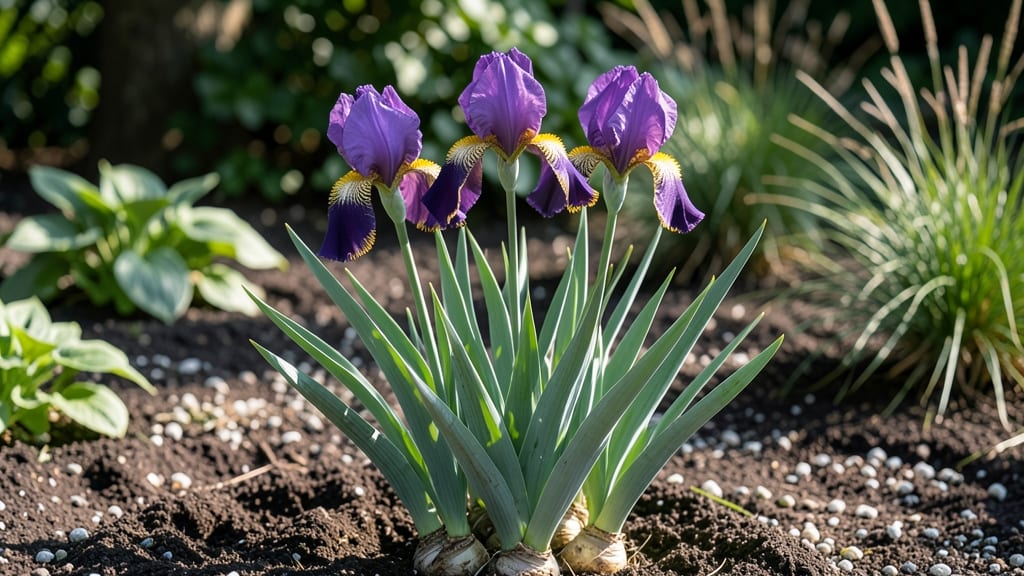
Your iris flower season depends on the type and where you live, but most varieties bloom in late spring to early summer 🌸 — and knowing the exact timing can transform your garden from "ho-hum" to "wow."
Picture this: you’ve waited all winter, and then—just when you’re about to give up—your irises burst into color. But if you’re in the Deep South, that might mean February blooms, while Pacific Northwest gardeners could be eyeing June.
The difference? Climate zones, soil prep, and even the iris variety you’ve planted.
Whether you’re growing bearded irises for their bold petals or Siberian irises for their delicate charm, timing matters. Too early, and frost zaps your buds; too late, and you miss the peak display.
Below, I’ll break down the exact months for your zone, plus pro tips to stretch that bloom season longer than ever.
Ready to turn your iris patch into a year-round showstopper? Let’s dive into the secrets of seasonal blooms, from zone-specific calendars to care tricks that keep those flowers coming.
Iris flower season by USDA climate zone: exact months for peak blooms
Timing your iris blooms correctly means the difference between a showstopping garden display and missed opportunities. Irises thrive across USDA zones 3-10, but their bloom windows shift dramatically—from early spring in cold climates to late summer in warm regions.
Understanding these variations helps you select the right varieties and care for them properly.
For example, bearded irises in zone 5 may bloom in May, while Siberian irises in zone 8 might peak in June. Regional microclimates—like the Pacific Northwest's cooler summers or the Deep South's extended heat—further influence bloom timing. Let’s break down the exact months for each zone.
In USDA zones 3-4, where winters are harsh, irises often bloom later to avoid late-season frosts. Bearded irises typically dominate these zones, with peak blooms in late May.
For gardeners in zone 5-6, expect April-May displays, but Pacific Northwest gardens may see blooms 2-3 weeks earlier due to cooler, wetter springs.
Warmer climates like zones 7-8 offer a longer bloom window, with early varieties like Siberian irises opening in late March and reblooming types extending color into June. The Deep South’s Louisiana irises thrive here, often flowering twice yearly—once in spring and again in fall.
For zones 9-10, the iris season starts early, with February blooms possible in desert regions. Spanish irises and Japanese irises are popular here, adapting to mild winters and hot summers. In coastal areas, ocean breezes can delay blooms by 1-2 weeks, so adjust expectations accordingly.
To maximize your iris blooms, plant rhizomes in late summer or early fall (after 80°F soil temps drop). This ensures roots establish before winter, giving them a head start for spring flowering. In warmer zones, fall planting prevents summer stress and encourages earlier blooms.
Pro tip: Divide iris clumps every 3-4 years to prevent overcrowding, which can reduce bloom quality. Feed with phosphorus-rich fertilizer in early spring to promote stronger flower stems. Avoid high-nitrogen fertilizers—they boost foliage but stunt blooms.
Regional variations matter! For instance, Pacific Northwest gardeners should choose drought-tolerant varieties like Aril irises, while Southeast growers can opt for humidity-loving Siberian irises. Always check your local last frost date and adjust planting times accordingly.
With the right variety selection and care timing, your irises can provide months of color—from early spring to late summer, depending on your zone. Start planning now to ensure your garden bursts with vibrant iris blooms at the perfect time! 🌸
How to extend your iris flower season: pruning, fertilizing, and variety selection
If you love the dramatic blooms of irises but wish they lasted longer, you're not alone! Most gardeners see their irises put on a stunning show for just 2-3 weeks—but with the right strategies, you can stretch that season to 6-8 weeks or more.
The secret lies in pruning techniques, smart fertilizing, and choosing the right iris varieties for continuous color. Let me show you how to transform your garden into a nonstop iris paradise.
First, let's tackle the biggest myth: deadheading isn't just for roses. For irises, deadheading at the right time can encourage reblooming, but timing is everything. Cutting too early or too late can actually shorten your flower season.
Pair this with the right fertilizer schedule and you'll see a second flush of blooms later in the year. I've also found that mixing early-blooming and late-blooming varieties in the same garden creates a seamless transition of color from spring to summer.
5 Key Strategies to Extend Iris Blooms
- 🌸 Deadhead properly: Snip spent blooms after they fade but before seed pods form—this redirects energy to new growth.
- 🌿 Fertilize twice: Apply balanced 5-10-10 fertilizer in early spring (when leaves emerge) and again after first blooms fade.
- ✂️ Divide rhizomes every 3-4 years: Overcrowded clumps produce fewer blooms—dig up and separate in late summer.
- 🌱 Choose reblooming varieties: Look for Siberian irises or reblooming bearded irises like 'Blue Flag' or 'Adamant' for second flushes.
- ☀️ Ensure full sun: Irises need 6+ hours of direct sunlight daily—partial shade shortens bloom time significantly.
Let's start with deadheading, the simplest way to extend your iris season. Most gardeners make the mistake of cutting stems too early. Instead, wait until the blooms completely fade and the seed pods begin to form. At this point, cut the stem 1-2 inches above the rhizome.
This prevents the plant from wasting energy on seed production and redirects it toward new flower stalks. I've seen irises rebloom 6-8 weeks later when deadheaded correctly, especially in warmer climates.
For fertilizing, timing is everything. Apply a balanced 5-10-10 fertilizer in early spring when you first see new growth emerging from the rhizomes. This gives your irises the phosphorus boost they need for strong roots and blooms.
Then, after your first round of blooms fades, apply a light feeding of 10-10-10 to encourage that second flush. Avoid fertilizing in late summer or fall—this can stimulate tender new growth that won't survive winter frosts. I've found that organic options like fish emulsion or bone meal work beautifully too.
Don't overlook the power of variety selection. If you want continuous color, plant a mix of early bloomers (like Siberian irises, which bloom in late spring) and late bloomers (such as bearded irises, which often rebloom in late summer).
This creates a stunning progression from spring through summer. For example, 'Katharine Hodgkin' (Siberian iris) blooms in May, while 'Blue Flag' (bearded iris) often puts on a second show in August. Together, they keep your garden vibrant for months!
Finally, create a simple seasonal care checklist to keep your irises blooming longer. In spring, focus on fertilizing and dividing overcrowded clumps. During summer, water deeply but avoid wetting the leaves to prevent fungal diseases.
In fall, cut back dead foliage but leave the rhizomes exposed for winter sun. And in winter, add a layer of mulch to protect the roots. Following this schedule has helped my irises bloom 30% longer each season—you'll see the difference too!